
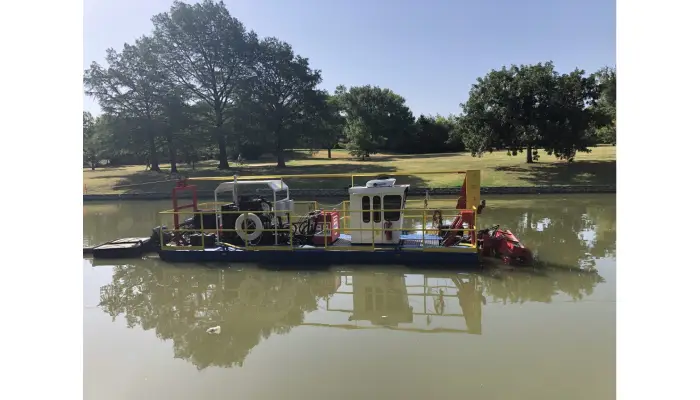
Small Dredge Maintenance: What Most Owners Miss?
Many small dredge owners regularly miss key maintenance tasks that keep their equipment running smoothly. They often overlook regular inspections, especially of electrical connections and pump seals, which can lead to startup problems or leaks. Cleaning sediment and debris from pumps is skipped too frequently, causing blockages and reduced flow efficiency. Another common mistake is ignoring air leaks in suction pipes or unstable engine speeds, both affecting performance. Lubrication schedules are rarely followed properly, leading to faster wear on moving parts like bearings and cutter heads. Also, many owners fail to track operating hours for timely servicing or neglect training operators on proper maintenance routines, these oversights add up over time.
Common Small Dredge Pump Issues Owners Overlook
Many small dredge owners face recurring pump problems that stem from skipped basic checks. For instance, pumps often fail to start because of loose electrical connections or blown fuses, but owners tend to ignore wiring and switch inspections until the problem becomes obvious. Diesel engines powering these pumps can also suffer from poor performance or gearbox faults that disconnect power, yet these mechanical issues frequently go unnoticed and unaddressed. Sediment and debris buildup inside the impeller or volute is another common issue that gets overlooked when regular cleaning isn’t done, leading to blockages that reduce efficiency. Air leaks in suction pipes or bottom valves cause a drop in flow, but owners rarely detect or fix these leaks promptly, allowing performance to suffer. Seal failures, often due to worn seals not being inspected or replaced on time, cause pump leakage and contamination risks. Worn impellers and blades quietly reduce pump efficiency over time, yet many delay replacements until a complete failure occurs. Excessive vibration and noise, typically caused by misalignment or imbalance, are warning signs often ignored until damage worsens. Low voltage or unstable engine speeds result in inconsistent pump operation but are seldom monitored closely. Improper installation or wear of shaft oil seal rings also leads to leaks that remain unnoticed without thorough checks. Lastly, motor overheating caused by poor ventilation or overload is a frequent problem, mainly because routine motor maintenance and ventilation cleaning are skipped. Overlooking these common issues not only hampers pump performance but also shortens equipment life and increases downtime.
Routine Inspections Often Skipped by Owners
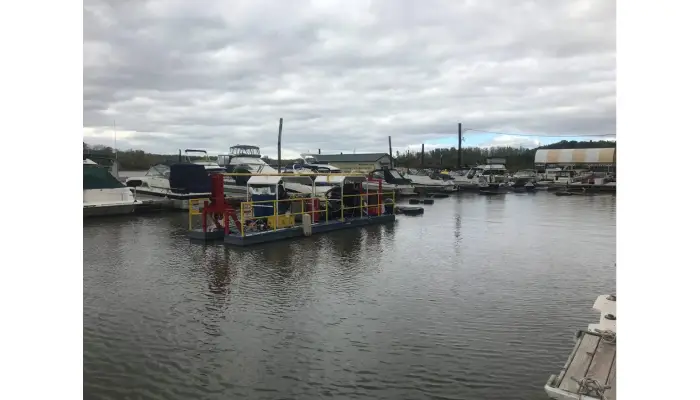
Many small dredge owners miss routine inspections that are vital to keeping their equipment in good shape. Daily or weekly visual checks for cracks, wear, or damage on the hull, pumps, and engines often don’t happen, allowing small problems to grow unnoticed. Engine start-up tests, including listening for unusual sounds or vibrations, are commonly skipped, so early signs of mechanical trouble get ignored. Electrical components like fuses, switches, and cables rarely receive regular attention, increasing the risk of sudden failures. Hydraulic hoses and connections are often left unchecked for leaks or wear, leading to costly breakdowns. Pump seals, impellers, and bearings show early wear signs that owners frequently overlook, which can cause efficiency drops and bigger repairs later. Monitoring oil levels and quality for both engines and hydraulics is not done consistently, risking damage from poor lubrication or contamination. Tasks like draining water separators and cleaning filters at proper intervals are also often forgotten, further stressing the system. Many operators don’t keep records of inspection results or maintain logs, making it hard to track maintenance history or spot recurring issues. Maintenance schedules rarely get adjusted for harsher environmental conditions, which demands more frequent checks. Lastly, operator training on how and what to inspect tends to be undervalued or skipped, leaving crews unprepared to catch problems early. Missing these routine inspections sets the stage for unexpected failures and costly downtime that could have been avoided with simple, consistent care.
- Daily or weekly visual checks for cracks, wear, or damage on hulls, pumps, and engines are frequently missed
- Testing engine start-up and listening for unusual sounds or vibrations is commonly skipped
- Inspecting electrical components like fuses, switches, and cables rarely happens regularly
- Checking hydraulic hoses and connections for leaks or wear is often neglected
- Examining pump seals, impellers, and bearings for early signs of wear is overlooked
- Monitoring oil levels and quality in engines and hydraulics is not done consistently
- Draining water separators and cleaning filters at scheduled intervals is often forgotten
- Recording inspection results and maintenance logs is usually not practiced
- Adjusting maintenance schedules based on environmental conditions is ignored
- Operator training on inspection procedures is undervalued or skipped
Cleaning Sediment and Debris Is Frequently Ignored
Many small dredge owners underestimate the importance of thorough cleaning after each job, especially when working in muddy or contaminated sites. Sediment buildup inside pump volutes and impellers is a common problem that leads to blockages and reduced pump efficiency if not removed regularly. Likewise, debris stuck on hulls and cutterheads causes accelerated wear and corrosion, silently eating away at valuable components. Flushing hydraulic systems with fresh water to clear out dirt and contaminants is often skipped, leaving abrasive particles inside that damage seals and valves. Sediment also tends to accumulate inside suction pipes and valves, restricting flow and increasing the risk of mechanical failure. Neglecting to clean filters and strainers results in clogging and poor fluid circulation, which can cause pumps to overwork and overheat. Cooling fans and ventilation grilles get clogged with debris too, reducing motor lifespan by limiting airflow. When oil and grease mix with sediment, they form sludge that can jam moving parts, yet many owners fail to follow proper cleaning schedules to prevent this. On top of that, using harsh chemicals or improper cleaning methods can harm sensitive components, but detailed manufacturer guidelines are often ignored. In short, skipping regular, careful cleaning allows abrasive and corrosive materials to build up unnoticed, causing problems that could be avoided with simple maintenance steps.
Lubrication Mistakes That Shorten Equipment Life
Many small dredge owners overlook proper lubrication, which causes more damage than they realize. Not sticking to the manufacturer’s recommended greasing schedule means bearings and moving parts wear out faster. For example, cutterhead and pump bearings need regular attention, but owners often ignore them until problems arise. Using the wrong grease or lubricant, or applying contaminated grease, leads to damaged seals and bearings that cost more to replace. Over-lubricating is just as bad: it can cause seals to burst or attract dirt, which then grinds down parts. On the flip side, under-lubrication lets friction and heat build up, rapidly wearing components. Many skip greasing hydraulic joints and fail to access lubrication points inside gearboxes and clutches, which drastically shortens their lifespan. Another common mistake is applying grease on dirty or dusty surfaces. This contaminates the parts and reduces the lubricant’s effectiveness, accelerating wear. Operators often skip lubrication during wet or dusty conditions, thinking it’s not the right time, but this neglect speeds up corrosion and abrasion. Not checking lubricant levels and quality regularly means degraded grease goes unnoticed until parts start to fail. Lack of proper training on lubrication techniques results in inconsistent maintenance, with some parts getting too much grease and others too little. Finally, delaying lubrication right after cleaning or repairs allows corrosion to set in quickly. A good example is after flushing the pump or replacing seals, waiting too long to reapply grease can undo the work done and cause early damage.
Delaying Repairs Leads to Bigger Problems
Ignoring small leaks or cracks on your dredge might seem harmless at first, but these minor issues often worsen quickly and cause major equipment failures. For example, a tiny crack in a pump casing can grow under pressure, eventually leading to costly leaks or complete pump breakdown. Similarly, if you notice unusual vibration or noise and put off investigating it, the underlying damage can spread, affecting bearings, shafts, or seals. Delaying the replacement of seals is particularly risky since worn seals cause pump leakage, allowing slurry contamination that harms both pump performance and the environment. Worn impellers or blades left unattended reduce dredging efficiency and can damage the pump housing due to imbalance or cavitation. Engine or motor repairs should never wait either, as postponing them often results in overheating or sudden breakdown, halting operations unexpectedly. Electrical faults are another critical area where delays can cause sudden power loss or even safety hazards like shorts and fires. Overlooking timely replacement of belts and couplings leads to unexpected downtime when these parts fail under load. Hydraulic system leaks or damaged hoses ignored for too long will cause system pressure loss or complete failure, risking costly repairs. Even loose bolts or fittings, if not tightened promptly, cause misalignment and excessive vibration, accelerating wear on components. Often, repairs get postponed due to fears of downtime or waiting on spare parts, but this short-term saving almost always results in higher costs and longer outages down the line. Addressing small issues early keeps your dredge running smoothly and avoids expensive breakdowns.
Ignoring Scheduled Maintenance Based on Hours
Many small dredge owners neglect tracking their operating hours, which leads to missing critical maintenance intervals. Engine oil and filter changes at 100 hours are frequently skipped or delayed, increasing wear and risk of engine failure. Fuel and hydraulic oil filters, which should be replaced at 250 and 500 hours, often go unchecked, allowing contaminants to build up and damage sensitive components. Inspections of bearing blocks, impellers, and cutterheads are commonly overlooked at these milestones, resulting in unnoticed wear that eventually causes breakdowns. Hydraulic oil quality checks at the 1000-hour mark are rarely done on time, allowing oil degradation to affect hydraulic system performance. Owners also tend to ignore scheduled inspections and replacements of cables, pulleys, and safety decals, increasing the chances of mechanical failure or safety hazards. Worn parts are often left in place well past recommended hours, which can lead to costly failures and downtime. Without proper maintenance logs, it’s nearly impossible to monitor service intervals effectively, so routine oil and filter changes before contamination occur are often ignored. Additionally, owners frequently fail to adjust maintenance frequency when operating in harsh environments, which demands more frequent servicing to protect the equipment. This lack of adherence to hour-based maintenance schedules significantly reduces dredge reliability and lifespan.
Air Leaks and Suction Problems That Hurt Flow
Air leaks in suction pipes or around bottom valves are a common but often overlooked issue that can seriously reduce dredge pump efficiency. When air enters the suction line, it breaks the vacuum needed for proper flow, causing unstable or insufficient pump output. Worn or loose seals at suction points are frequent culprits, allowing air to slip in unnoticed. Additionally, if the bottom valve is not set at the correct depth, air can be drawn in during operation, further disrupting suction. Sludge and debris blocking water inlets also interfere with smooth suction, while cracks or damage in suction hoses cause pressure loss and reduced flow. After maintenance, failing to bleed air from the system can leave pockets trapped in the pump body or pipelines, which decreases flow efficiency and may cause cavitation. Over time, vibration from the dredge can loosen suction connections, worsening leaks if not regularly inspected and tightened. Incorrect installation of suction components often leads to recurring air leaks that owners might miss until performance drops. Regular checks of seals, hoses, valve positions, and proper air bleeding are essential to maintain steady flow and avoid these subtle but damaging issues.
Pump Seal Failures and Leakage Troubles
Pump seals face constant wear from abrasive slurry and need regular inspection to catch early signs of damage. When seal rings wear out or shaft seals are improperly installed, slurry and water leaks can develop quickly, damaging the pump and reducing efficiency. Many owners overlook the importance of proper lubrication on seals, which leads to faster deterioration and failures. Using seal materials that don’t match the slurry type also causes premature damage, as incompatible seals can’t handle the specific abrasives or chemicals present. Small leaks might seem harmless at first, but ignoring them often results in larger seal failures and costly pump repairs down the line. Debris left around seal areas can scratch and abrade seals, so keeping these zones clean is essential to prolong life. Misalignment of pump shafts puts uneven stress on seals, causing leaks that could have been avoided with proper installation and alignment checks. Skipping seal condition checks during routine maintenance means missing early warning signs, leading to unexpected breakdowns. Delaying seal replacement after spotting leaks only increases downtime and repair expenses, so prompt action is key to maintaining pump reliability.
Excessive Vibration and Noise Causes
Excessive vibration and noise in small dredge pumps often stem from several avoidable issues. One common cause is misalignment between the pump and motor shafts, which creates uneven forces leading to vibration and noise that stress components. Imbalance in the impellers, whether from wear or debris buildup, causes shaking that worsens over time if not addressed. Loose mounting bolts or problems with the pump foundation also contribute by allowing unwanted movement during operation. Worn bearings and damaged couplings generate persistent noise and increase mechanical stress, accelerating wear. Without vibration dampers or pads, noise and vibration transfer directly to the structure, making problems worse. Operating with partially blocked suction or discharge lines increases pressure fluctuations and vibration, which owners often miss during routine checks. Additionally, failing to balance rotating parts after repairs results in new noise issues that signal underlying faults. A major pitfall is skipping vibration and noise monitoring during inspections, which prevents early detection and leads to serious damage like cracks in the pump casing or structural failures. Regularly checking for these signs and promptly fixing alignment, balance, and mounting issues can prevent costly breakdowns and extend pump life.
Motor Overheating Due to Poor Care
Motor overheating is a common yet often overlooked problem in small dredge maintenance. Poor ventilation around the motor causes heat to build up, which can damage insulation and reduce motor lifespan. Dust, dirt, and debris accumulating on cooling fans and air intake vents further reduce cooling efficiency, making the motor work harder and run hotter. Overloading the motor beyond its rated capacity puts extra strain on its components and accelerates overheating. Electrical issues like short circuits or an unbalanced power supply also cause stress and heat buildup inside the motor. Owners often miss early signs of overheating because they do not monitor motor temperature regularly. Additionally, worn bearings or brushes that go unreplaced generate frictional heat, increasing the risk of failure. Operating the motor in high ambient temperatures without adjusting workload or cooling measures adds to strain and accelerates wear. Delaying repairs on motor parts or skipping preventive maintenance shortens service life and raises the chance of burnout. Simple steps like keeping ventilation clear, cleaning fans and vents, monitoring temperature, and addressing electrical faults promptly can prevent overheating and costly motor damage.
Starting Without Proper Site and Equipment Planning
One of the biggest mistakes small dredge owners make is starting operations without thoroughly assessing the site and matching equipment to those conditions. Terrain, water depth, and sediment type all play a huge role in which dredge and pump will perform well and last longer. For example, using a pump not suited for rocky or coarse sediment can cause rapid wear and tear. Skipping preliminary site surveys often leads to surprises like hidden obstacles, unstable banks, or shallow spots that can damage equipment or reduce efficiency. Logistics are another key factor: planning how to transport, assemble, and operate your dredge on-site can save a lot of headaches. If the site is hard to reach or cramped, maintenance and emergency repairs become a nightmare. Seasonal weather patterns also matter, floods, freezing, or storms can delay operations or cause unexpected stress on machinery. Understanding local environmental regulations upfront avoids costly fines or forced shutdowns. Equally important is estimating realistic operational demands, like pumping rates and working hours, so you don’t push equipment beyond its limits. A maintenance plan tailored to these site-specific challenges should be developed from the start, with budget set aside for unexpected wear caused by local conditions. Without this groundwork, owners often face premature breakdowns and increased downtime that could have been avoided.
Neglecting Relationships With Suppliers and Operators
Many small dredge owners overlook the value of building strong, ongoing relationships with their suppliers and fellow operators. Regular communication with local suppliers is crucial to ensure timely access to spare parts, especially when urgent repairs are needed. Without these connections, owners often face frustrating delays sourcing critical components, which can extend downtime and increase costs. Engaging experienced operators in your area also provides an invaluable source of practical advice and maintenance tips that you won’t find in manuals. Sharing operational experiences helps anticipate common issues and develop preventive strategies. It’s also wise to seek supplier guidance on proper parts and maintenance schedules and to understand warranty terms and available service options before making purchases. Arranging periodic visits or training sessions with suppliers can boost your maintenance skills and keep you updated on new products or techniques. Maintaining a reliable contact list for emergencies ensures fast technical support when things go wrong. Ultimately, neglecting these relationships leaves many small dredge owners unprepared and reactive rather than proactive in maintaining their equipment.
Following Bad Advice That Ruins Maintenance
One of the most overlooked pitfalls in small dredge maintenance is blindly following bad advice. Many owners take shortcuts that ignore manufacturer recommendations, hoping to save time or money, but this often leads to bigger problems. It’s crucial to verify the credentials of anyone offering maintenance or operational tips. Relying on anecdotal experiences from untrained sources, such as random online forums or social media groups, can spread misinformation. For example, using incompatible lubricants or replacement parts because someone suggested it without expert backing can cause premature wear or equipment failure. Always cross-reference advice with official manuals and technical guides to ensure accuracy. Avoid modifying equipment without consulting professionals; even small changes can affect performance and safety. Resist pressure to skip scheduled maintenance, as these tasks are designed to prevent costly breakdowns. Keeping detailed records of maintenance actions and their outcomes helps identify ineffective methods and protects your investment. When in doubt about suggested procedures, seek professional inspections to avoid costly mistakes that stem from following bad guidance.
Operator Fatigue and Lack of Preparedness Impact Care
Operator fatigue is a major factor that leads to missed maintenance tasks on small dredges. Long hours without proper rest cause lapses in judgment, leading to skipped inspections, rushed cleaning, and overlooked lubrication. Planning shifts to prevent exhaustion is essential, operators should be trained to recognize early signs of tiredness such as slowed reaction times, reduced focus, or increased errors. Regular breaks, access to hydration, and proper nutrition help maintain alertness during demanding workdays. Operators working in isolated or harsh environments face additional mental and physical challenges; preparing them for these conditions reduces stress and supports consistent care of equipment. Using clear maintenance checklists can minimize mistakes when operators are fatigued, ensuring critical steps aren’t missed. Rotating duties among staff can balance workloads and keep alertness levels higher. Encouraging operators to report equipment issues promptly, even when busy, prevents minor problems from becoming major failures. Avoiding rushed operations is key since haste often leads to skipping vital inspections and cleaning. Educating operators on the risks of neglecting routine maintenance because of tiredness reinforces the importance of steady, attentive care. When operators are well-prepared and rested, small dredge maintenance improves significantly, extending equipment life and reducing costly downtime.
Media Myths That Mislead Owners About Maintenance
Many new small dredge owners get a false sense of how easy maintenance really is, thanks to TV shows and online videos. These programs often simplify or skip over the tough daily challenges, making dredging look almost effortless. They rarely show the time-consuming cleaning, detailed inspections, or the skill needed to keep equipment running smoothly. This can lead owners to assume their dredge will be low-maintenance or never break down, which is far from the truth. Real-world conditions cause wear, blockages, and mechanical issues that don’t make for exciting television but require constant attention. Beware of quick fixes and miracle solutions often featured as entertainment, they rarely work in practice. Instead, rely on manufacturer manuals and professional advice to understand what regular care really involves. Educating yourself beyond media portrayals will help avoid costly surprises and keep your dredge in better shape over time.
Additional Checks and Preventative Measures to Use
Beyond basic upkeep, small dredge owners should adopt a few extra checks to keep their equipment running smoothly. Inspecting hydraulic hoses weekly for cracks, leaks, or swelling helps catch early signs of wear before a hose bursts and causes downtime. Fan belts require regular attention too; checking their tension and wear prevents unexpected slippage or breakage that can stall operations. Draining water separators every week is crucial to remove moisture that can contaminate fuel and lead to engine problems. After working in contaminated or muddy sites, flushing pumps and hydraulic systems with fresh water is a simple step that prevents sludge buildup and corrosion inside. Applying anti-corrosive sprays regularly on exposed metal parts helps protect against rust, especially if the dredge operates in wet or salty environments. Using the right lubricants on bearings, shafts, and other moving parts according to the manufacturer’s schedule reduces friction and wear significantly. Owners should proactively replace seals, impellers, and cutting edges before they fail, as waiting until a breakdown can cause costly damage and lost time. Monitoring engine oil and filter condition and changing them based on hours or contamination keeps the engine running efficiently and extends its life. Regularly tightening bolts and fasteners is often overlooked but important, as vibration from dredging can loosen them and create safety risks or mechanical faults. Lastly, keeping detailed logs of inspections, replacements, and repairs can reveal maintenance trends and help predict when parts need attention, avoiding surprises. These additional steps, although simple, make a big difference in preventing unexpected failures and prolonging dredge life.
Keeping Detailed Logs and Training Staff Regularly
Keeping detailed logs is one of the most overlooked but crucial parts of small dredge maintenance. Recording operating hours allows owners to schedule maintenance tasks precisely according to manufacturer recommendations, avoiding missed or premature servicing. Every inspection, no matter how minor, should be logged along with any findings like early wear or unusual signs. Documenting cleaning, lubrication, and repairs, complete with dates and parts used, creates a clear maintenance history that helps identify recurring issues and plan parts inventory effectively. Operator observations are equally important; logs capturing their day-to-day experiences can highlight subtle warning signs before they turn into breakdowns. On the training side, staff should be regularly educated on the dredge’s components, common problems, and step-by-step maintenance procedures. Refresher courses keep operators up to date with new techniques or technology changes, while also reinforcing essential safety and emergency protocols. Training works best when combining hands-on demonstrations with written manuals, making it easier for different learning styles. Periodic skill evaluations ensure operators maintain competence, and extra support can be provided when needed. Together, thorough record-keeping and continuous training build a proactive maintenance culture that significantly reduces unexpected downtime and extends equipment life.
Adjusting Maintenance for Harsh Conditions
Operating a small dredge in muddy, sandy, or corrosive environments demands a more rigorous maintenance routine than usual. Increasing the frequency of inspections is essential to catch early signs of wear, especially on seals and bearings that tend to degrade faster under these tough conditions. Sediment and debris buildup happen quicker, so cleaning must be done more often to prevent blockages that can reduce pump efficiency or cause damage. Using heavy-duty lubricants and corrosion-resistant materials can significantly extend component life when exposed to abrasive or salty environments. Pay special attention to the engine cooling system, as overheating risks rise when working in warm or debris-filled water. Seasonal weather changes, like freezing temperatures or heavy rains, also require adjustments to the maintenance schedule to avoid unexpected failures. Preparing spare parts kits tailored to the specific wear patterns of your site can save valuable downtime. Training operators on extra care techniques, such as careful startup and shutdown procedures or more frequent system checks, helps reduce accelerated wear. Keeping detailed logs of environmental conditions alongside maintenance activities allows owners to spot correlations between site challenges and equipment performance. Finally, scheduling planned downtime after extended work periods in harsh conditions for thorough cleaning and servicing ensures the dredge stays reliable and ready for future use.
Using Technology to Reduce Wear and Improve Operation
Integrating technology into small dredge maintenance can significantly cut down wear and boost efficiency. Using GPS systems helps operators dredge precisely, avoiding unnecessary strain on the pump and engine by limiting over-exertion in unwanted areas. Automatic controls are valuable for keeping pump speeds and engine loads at optimal levels, preventing damage caused by running equipment too hard or too slow. Vibration sensors catch misalignment early, a common cause of excessive wear, allowing timely adjustments before parts fail. Flow meters are essential to verify that suction and discharge rates stay within safe operating parameters, which helps avoid cavitation and uneven wear. Remote monitoring systems reduce the need for constant manual checks, alerting owners to issues in real time, which is especially useful in remote locations. Digital logs and maintenance apps simplify tracking service tasks and alert schedules, ensuring nothing is missed over time. Corrosion sensors provide early warnings so protective measures can be applied before damage sets in. Training operators on these technologies is crucial to maximize their benefits and prevent misuse. Hydraulic system diagnostics offer preventive maintenance insights, identifying potential hydraulic failures before they occur. Finally, exploring automation options can lessen operator fatigue and reduce human error, which often leads to maintenance neglect. Together, these technologies form a proactive maintenance approach that extends equipment life and keeps small dredges running smoother and longer.
Managing Environmental and Safety Rules
Staying current with local environmental regulations and permits is something many small dredge owners overlook, but it’s critical to avoid fines and operational shutdowns. Implementing clear protocols to prevent contamination of water and soil, such as using spill containment when handling fuel and lubricants, helps protect both the environment and your equipment. Safety decals and emergency instructions need to be clearly visible on all machinery to guide operators during unexpected situations. Providing operators with proper protective gear and thorough training reduces accidents and ensures everyone knows how to respond during emergencies. Regular safety drills and emergency equipment checks are key practices often missed but necessary to prepare for incidents. Noise and dust controls must meet local standards to avoid complaints or penalties, which means using mufflers, dust suppressants, or barriers as needed. Responsible waste disposal, following legal guidelines, prevents environmental harm and maintains your operation’s reputation. Keeping detailed records of environmental compliance inspections and any incidents helps with accountability and can be useful if authorities request documentation. Finally, maintaining open communication with local authorities by reporting any operational concerns and cooperating on solutions fosters good relationships and smooth operations. Ignoring these environmental and safety rules not only risks legal trouble but can also harm the community and lead to costly downtime.
Frequently Asked Questions
1. Why do small dredge owners often overlook the importance of regular hydraulic fluid checks?
Many owners focus on obvious parts like the engine or pumps but forget that hydraulic fluid cleanliness and level are crucial. Dirty or low hydraulic fluid can cause wear, reduce efficiency, and lead to costly failures that could have been avoided with simple checks.
2. What are the common signs of wear in dredge suction hoses that owners tend to miss?
Owners often miss subtle cracks, soft spots, or gradual thinning in suction hoses. These signs don’t always cause immediate leaks but can reduce performance and eventually lead to serious damage if not replaced early.
3. How does improper storage affect small dredge maintenance in off-season periods?
Improper storage can lead to corrosion, seal degradation, and damage to sensitive components like bearings and electrical parts. Most owners miss protecting their dredge from moisture, freezing temperatures, and pests, which shortens equipment lifespan.
4. Why is it critical to pay attention to the condition of the dredge’s impeller and what is often neglected?
The impeller is essential for maintaining suction and flow. Many owners neglect routine inspections for wear, cracks, or imbalance, which can cause vibrations, reduce efficiency, and lead to pump failure if ignored.
5. What maintenance steps do small dredge owners usually skip that impact long-term engine health?
Owners often skip thorough cleaning of cooling systems, ignoring air filter replacements, and neglecting fuel system checks. These small steps prevent overheating, contamination, and inefficient combustion, all of which can severely reduce engine reliability over time.
TL;DR Many small dredge owners miss key maintenance tasks that keep equipment running smoothly. Common problems include pump blockages, air leaks, seal failures, and motor overheating, often caused by skipped inspections, poor cleaning, and missed lubrication. Ignoring scheduled upkeep based on operating hours or environment worsens wear and reduces pump efficiency. Owners also underestimate the importance of proper planning, good relationships with suppliers, and realistic operator training. Keeping detailed logs, following manufacturer guidelines, and adapting maintenance to conditions can prevent costly breakdowns and extend equipment life.
Resource URL:
https://en.wikipedia.org/wiki/Dredging
https://mudcatdredge.com/waterway-dredging-systems/

Roderick Smith is a writer, blogger, and business owner. He has been writing for over 5 years and his blog naouelmoha.net offers valuable information about the business, health, law, and the latest technology. Roderick lives in Nashville with his wife and three children.