
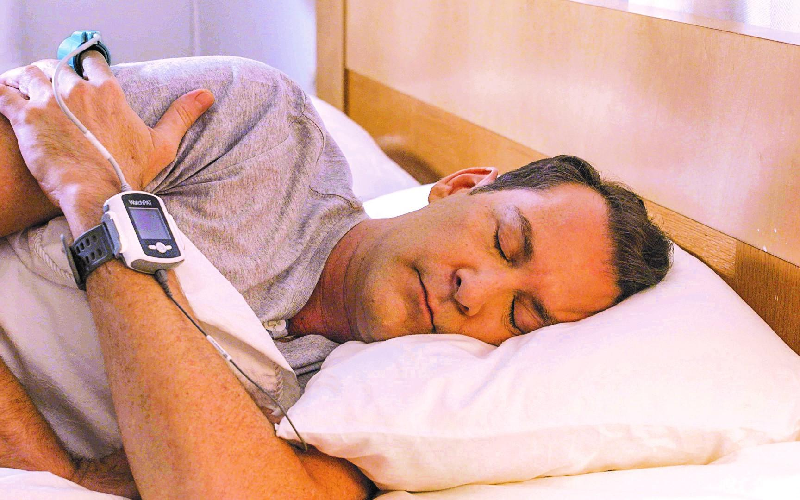
How to Prepare Effectively for a Home Sleep Apnea Test at Your Convenience?
Preparing effectively for a home sleep apnea test involves a few key steps to ensure accurate results and comfort. First, speak with your healthcare provider to get a prescription and understand how to use the device properly. Before the test night, create a calm and comfortable sleep environment: keep your room quiet, dark, and cool, avoid caffeine for 24 hours, and resist napping during the day. On the evening of the test, follow your usual bedtime routine and correctly attach all sensors as instructed. Try to get at least three to four hours of uninterrupted sleep while wearing the device. After waking up, switch off and carefully remove equipment before returning it promptly for analysis.
What Is a Home Sleep Apnea Test and How Does It Work?
A home sleep apnea test (HSAT) is a small, portable device designed to be worn overnight in the comfort of your own home. Its primary purpose is to detect obstructive sleep apnea (OSA) by monitoring key respiratory parameters such as airflow through the nose, breathing effort using chest or abdominal belts, oxygen saturation via a pulse oximeter, heart rate, and occasionally snoring sounds or body position. Unlike traditional in-lab sleep studies, HSAT does not record brain activity or sleep stages, focusing solely on respiratory events related to breathing interruptions during sleep. This type of test is typically prescribed to individuals suspected of having moderate to severe OSA without complex medical conditions. The user-friendly design allows patients to manage the setup themselves without specialist supervision while sleeping at home. Data collected overnight is saved and later analysed by a sleep specialist to determine the presence and severity of sleep apnea, guiding treatment decisions such as CPAP therapy or lifestyle changes. The test usually lasts one night, during which the device is worn continuously while sleeping. HSAT offers a more accessible and affordable alternative to in-lab polysomnography, but it is not suitable for those with complex sleep disorders or serious health problems, who may require a comprehensive sleep study in a clinical setting for accurate diagnosis.

Steps to Take Before Starting Your Home Sleep Apnea Test
Before beginning your home sleep apnea test, it is important to first discuss your symptoms with your healthcare provider to confirm that the test suits your condition and to obtain a prescription. Once prescribed, you will receive the testing equipment either by mail, from a pharmacy, or directly at a clinic, depending on the provider’s instructions. Take time to thoroughly read all the instructions provided, whether in written manuals or video guides, so you understand how to properly position the sensors and operate the device. Confirm the test date and ensure you can have a quiet, uninterrupted night to wear the equipment comfortably. Check all components, including sensor attachments and battery status, beforehand to avoid any malfunctions during the test. Clarify with your doctor if you should take any medications, especially sleep aids or supplements, on the night of the test. Prepare to note any unusual events, such as waking up or discomfort, as this information can be useful for your doctor’s assessment. If possible, arrange alternative care or adjust your responsibilities to minimise disturbances. Familiarise yourself with how to attach and manage the sensors correctly to avoid errors that could affect results. Lastly, keep contact details for technical support or your healthcare provider handy in case you encounter any issues during testing.
How to Prepare Your Sleep Environment Days Before the Test
Choosing the right bedroom is essential to encourage natural sleep patterns ahead of your home sleep apnea test. Opt for a quiet, dark, cool, and comfortable room where external distractions are minimal. If noise is unavoidable, consider using earplugs or a white noise machine to mask disruptive sounds. It also helps to remove bright clocks, screens, and electronic devices that could interfere with your ability to fall asleep or cause you to wake during the night. Maintaining a consistent sleep routine in the days leading up to the test is important; try to go to bed and wake at the same times to stabilise your internal body clock. Avoid caffeine and other stimulants for at least 24 hours before the test, as these can disrupt sleep onset and quality. On the day of the test, skip naps to ensure you have a strong sleep drive at night. Eating a balanced evening meal at a reasonable hour can prevent hunger or discomfort that might wake you during the night. Engaging in relaxing pre-bedtime activities such as reading, a warm bath, or listening to soft music can help prepare your mind and body for restful sleep. Avoid alcohol on the test day because it can alter breathing patterns and reduce sleep quality. Lastly, ensure your bed and bedding are comfortable to help you fall asleep easily while wearing the test device, as feeling physically at ease will support more natural sleep during the night.
What to Do on the Night of Your Home Sleep Apnea Test
On the night of your home sleep apnea test, it is important to stick to your usual bedtime routine as closely as possible to ensure your sleep remains natural and representative. Begin by carefully attaching the sensors: place the nasal cannula gently into your nostrils and secure it behind your ears to avoid any discomfort or displacement during the night. Clip the pulse oximeter to your fingertip so it can monitor your oxygen levels and heart rate effectively. If your device includes chest or abdominal belts, fit them snugly but comfortably around your torso to accurately record your breathing effort. For devices equipped with microphones or body position sensors, position these exactly as instructed to capture the necessary data. Once in bed, turn on the device immediately, even if you do not fall asleep straight away, to ensure continuous recording. Aim for at least 3 to 4 hours of uninterrupted sleep wearing the device to provide reliable results. If you wake during the night, for example to use the bathroom, keep the sensors attached and the device running to avoid losing valuable data. Avoid removing or switching off any part of the equipment until you wake up in the morning. Keeping the device within easy reach can help you manage it if needed during the night without disturbing your sleep further.
What to Do After Completing the Sleep Apnea Test?
Once you wake up and the test is complete, follow the instructions to turn off the device carefully and remove all sensors and belts without causing damage or dislodging data. Before detaching the components, confirm that all recorded information has been saved to avoid losing valuable test data. Place the device and accessories securely in their packaging as per the guidelines provided, ensuring nothing is left loose or susceptible to damage during return. Promptly return the equipment to the designated location, whether by mail or drop-off, following the exact instructions you were given. It is important to notify your healthcare provider once the device has been returned so they can track the processing of your results. Keep a personal record of the dates you completed the test and returned the device for your own reference. If you experienced any issues during the test, such as discomfort, sensor displacement, or unusual symptoms, report these to your provider as it may influence the interpretation of your results. Until you receive further instructions or treatment recommendations, maintain your normal sleep habits to provide consistent context for your condition. Finally, prepare to discuss the results with your doctor once the analysis is complete, as this will guide your next steps, whether that involves treatment, lifestyle changes, or further testing.
Extra Tips for a Smooth and Accurate Test Experience
Confirm with your doctor whether you should take your usual medications or supplements on the night of the test, as some might influence breathing patterns. Avoid alcohol on the test day, since it can alter your breathing and oxygen levels, potentially skewing results. Make sure the device’s batteries are fully charged or replaced before bedtime to prevent interruptions. Follow the sensor placement instructions carefully, as incorrect positioning can lead to poor data quality or incomplete recordings. Try to sleep on your back or side, since obstructive events often worsen in these positions, helping to capture typical breathing patterns. Keep the device and cables secure throughout the night to avoid sensors coming loose, which can affect the accuracy of the test. Minimising movement during sleep also helps prevent dislodging the sensors and ensures a clearer recording. Be aware that the home sleep apnea test records respiratory events during the time you are in bed, so it may slightly underestimate the severity compared to in-lab studies that monitor actual sleep stages. Avoid activities like showering or vigorous movement while wearing the device to prevent damage or data loss. If you experience any technical difficulties or discomfort during the test, contact the testing service promptly for assistance to ensure the test proceeds smoothly.
- Confirm with your doctor whether to take usual medications or supplements on test night.
- Avoid alcohol on the test day as it can affect breathing patterns and oxygen levels.
- Ensure the device batteries are fully charged or replaced before bedtime.
- Follow the sensor placement instructions precisely, as incorrect positioning can affect data quality.
- Try to sleep on your back or side to capture typical breathing events; apnea often worsens on the back.
- Keep the device and cables secure to prevent sensors coming loose during sleep.
- Minimise movement during sleep to reduce dislodging sensors and improve recording quality.
- Understand that HSAT measures respiratory events during time in bed, which may slightly underestimate severity compared to in-lab studies.
- Avoid any activities that may interfere with the device such as showering or vigorous movement during the test night.
- Contact the testing service or provider if you experience technical difficulties or discomfort with the device.
Who Should Consider Other Testing Options Instead
While home sleep apnea tests (HSAT) offer convenience and ease, they are not suitable for everyone. Individuals with complex health conditions such as heart failure, severe lung disease, or neurological disorders usually require in-lab sleep studies for a more comprehensive assessment. This controlled environment allows for detailed monitoring that HSAT devices cannot provide. Similarly, if there is suspicion of multiple sleep disorders beyond obstructive sleep apnea, an in-lab polysomnography is necessary to capture all relevant data. People who have previously undergone HSAT with inconclusive or negative results but continue to experience symptoms should consider more thorough testing, as HSAT may miss subtle or complex issues. Those on certain medications or with irregular breathing patterns often need supervised testing to ensure accuracy, as HSAT devices might not reliably detect all abnormalities. Children and elderly patients with complex medical histories also benefit from the detailed observation available only in a lab setting. Additionally, if a person finds the HSAT device uncomfortable or cannot tolerate wearing it overnight, alternative testing methods should be explored. Patients with insomnia or other primary sleep disorders require monitoring of sleep stages and brain activity, which HSAT does not measure. Similarly, those who exhibit frequent nighttime behaviours or movement disorders might receive inaccurate results from home testing. Importantly, HSAT should only be conducted under a healthcare provider’s recommendation; attempting such tests independently is not advised and may lead to misdiagnosis or missed conditions. In cases where detailed brain activity and sleep stage data are essential for diagnosis, a full polysomnography remains the gold standard.
Benefits of Choosing a Home Sleep Apnea Test
Opting for a home sleep apnea test (HSAT) offers several advantages that make it a practical choice for many. One of the primary benefits is the comfort of testing in a familiar environment, which helps promote more natural sleep without the anxiety or disruption often caused by unfamiliar clinical settings. This can lead to more accurate data as patients tend to sleep in their usual positions and surroundings. HSAT devices are portable and easy to use, allowing the test to fit seamlessly into daily routines without the need to travel or stay overnight at a sleep centre. This convenience particularly benefits those with mobility issues or who live far from specialist clinics. Financially, home testing is generally more affordable than in-lab studies, thus reducing barriers to diagnosis and treatment. Additionally, the wait times for receiving and completing a home test are typically shorter, enabling a quicker pathway to diagnosis and management. While HSATs focus on detecting moderate to severe obstructive sleep apnea and may not capture all sleep parameters, they provide sufficient data for timely diagnosis in appropriate candidates. Should the results be unclear or symptoms continue, the test can be repeated easily without added inconvenience. Overall, HSAT presents a balanced option that combines comfort, accessibility, and cost-effectiveness for those seeking assessment for sleep apnoea.
Frequently Asked Questions
1. What should I do the night before taking a home sleep apnea test?
Ensure you get a good night’s rest by avoiding caffeine and heavy meals late in the evening. Follow any specific instructions provided with your test kit, such as not applying lotions or oils on your face before attaching sensors.
2. How do I correctly set up the equipment for a home sleep apnea test?
Carefully read the manufacturer’s instructions included in your kit. Make sure all devices are charged or have batteries, place sensors where indicated, and secure the straps comfortably so they do not shift during sleep but are not too tight.
3. Can I take my prescribed medications before the home sleep apnea test?
Generally, you should continue taking your prescribed medications unless your healthcare provider advises otherwise. If in doubt, check with them before the night of the test to avoid affecting the results.
4. What if I move around a lot during sleep; will the test still work properly?
The test is designed to accommodate typical sleep movements. Sensors and equipment should stay in place if set up correctly, but excessive movement may cause some signal disruption. Try to remain as still as possible, but don’t stress over minor shifts.
5. How do I ensure the data collected during the test is accurate and complete?
Double-check that all sensors are attached correctly and stay in place throughout the night. Avoid removing any parts during sleep, and make a note of any interruptions or unusual events that could affect the test. Tell your healthcare provider about these details when returning the kit.
TL;DR A home sleep apnea test is a convenient, at-home option to check for breathing issues during sleep, suitable for those with suspected moderate to severe sleep apnoea and no complex health problems. Before the test, consult your doctor, get the device, and prepare a calm sleep environment by avoiding caffeine, naps, and alcohol. On test night, follow your usual bedtime routine, apply sensors correctly, and aim for uninterrupted sleep with the device on. After the test, return the equipment promptly for analysis. While easy and cost-effective, some may need more comprehensive lab studies. Proper preparation helps ensure accurate results and a smoother testing experience.

Roderick Smith is a writer, blogger, and business owner. He has been writing for over 5 years and his blog naouelmoha.net offers valuable information about the business, health, law, and the latest technology. Roderick lives in Nashville with his wife and three children.