
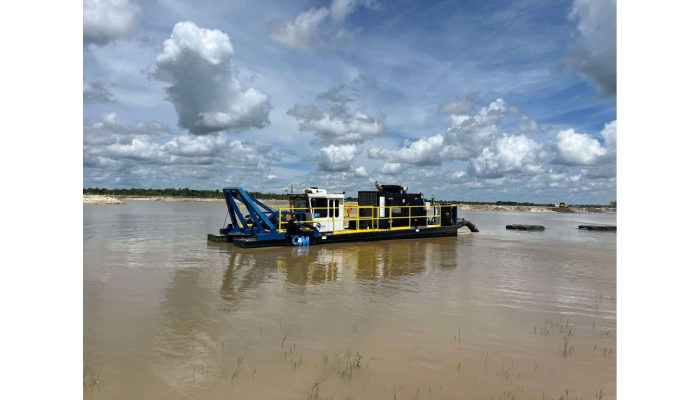
Key Features of an Efficient Wastewater Dredge
An efficient wastewater dredge combines strong suction pumps made of wear-resistant materials to handle abrasive sludge and debris with advanced cutting mechanisms like rotating cutter heads or augers to loosen compacted sediments. These dredges often use corrosion-resistant pipelines and flotation platforms that provide stability and ease of movement. Real-time sensors and automated controls help monitor operations, allowing precise targeting of sediment while reducing energy use and environmental impact. Integration of AI supports predictive maintenance, cutting downtime. Regular upkeep ensures equipment longevity in harsh conditions. Versatility across various treatment facilities along with adherence to environmental regulations are crucial features that make these dredges reliable and effective tools for wastewater management.
Core Components and Technology of Wastewater Dredges
Wastewater dredges rely heavily on robust suction dredge pumps designed to provide strong suction capable of removing sediments, sludge, and debris efficiently. These pumps are typically made from wear-resistant materials like high-chrome alloys and ceramic coatings to withstand abrasive sludge and corrosive chemicals commonly found in wastewater. Energy-efficient impeller designs help reduce fuel consumption and operational costs without compromising performance. For deeper dredging tasks, dual-stage pump setups maintain suction power and flow rate, ensuring consistent sediment removal. Non-clogging vortex pumps, such as EDDY pumps, further enhance reliability by handling high solids content without blockage, minimizing downtime.
The pipeline and hose systems are another critical component, constructed from abrasion- and corrosion-resistant materials like high-density polyethylene (HDPE) and steel to endure harsh wastewater environments. These pipelines can be configured as floating, submerged, or land-based systems depending on the site’s requirements. Flotation devices attached to pipelines keep them buoyant, preventing sagging or damage that could disrupt operations. The choice and layout of pipelines ensure precise sediment transport, reducing wear and minimizing environmental impact.
Cutting mechanisms vary based on sediment type and dredging needs. Cutter suction dredges use rotating cutter heads to break up compacted or dense sludge layers, making them suitable for treatment plants with thick sediment deposits. Auger-suction dredges employ rotating augers that burrow and loosen heavy sediment, ideal for lagoons and retention ponds with substantial sludge accumulation. Some advanced setups incorporate jet-lift systems to assist in loosening materials where necessary.
Modern wastewater dredges integrate sophisticated control and monitoring systems with real-time sensors that track flow rates, sediment density, turbidity, and pump performance. These systems allow operators to precisely adjust suction pressure and flow through remote or onboard controls, optimizing dredging efficiency. Data analytics and GPS navigation further refine operations by targeting sediment hotspots while minimizing disturbance.
Automation and artificial intelligence play an increasing role in wastewater dredging. Autonomous dredging reduces the need for manual labor and enhances safety by allowing machines to operate independently. Predictive maintenance powered by AI detects early wear signs, reducing unexpected downtime. AI-driven planning uses real-time and historical data to optimize dredging paths and sediment removal strategies, improving overall efficiency and resource use.

Operational Features and Benefits of Efficient Dredging
Efficient wastewater dredges offer precise targeting capabilities, allowing operators to remove sediment or sludge from specific zones without disturbing the surrounding water unnecessarily. This precision helps protect cleaner water areas and sensitive habitats. Their scalable designs mean they can handle everything from small maintenance tasks in retention ponds to large-scale dredging in industrial lagoons, maintaining consistent performance throughout. Optimized pump and cutter designs lower energy consumption, reducing fuel costs while maintaining strong suction and cutting power. Continuous dredging on flotation platforms speeds up operations by minimizing downtime between cycles and improving overall throughput. The robust construction of these dredges ensures they withstand harsh wastewater conditions, leading to lower maintenance requirements and longer equipment life. Environmental controls like controlled suction rates and sediment curtains reduce turbidity and sediment plumes, limiting ecological impact. Additionally, selective dredging methods help minimize disturbance to cleaner water and sensitive ecosystems. These dredges comply with local and international regulations, ensuring dredging activities meet strict environmental standards. Their versatility allows them to adapt to various wastewater facilities such as lagoons, retention ponds, and basins, and they support multiple dredging methods including mechanical, hydraulic, cutter suction, and auger suction to suit different project needs. For example, in a municipal wastewater lagoon, a cutter suction dredge on a stable flotation platform can continuously remove dense sludge layers with minimal disruption to surrounding water quality, while reducing operational costs through energy-efficient pumps and real-time monitoring.
Design and Safety of Flotation Platforms
Flotation platforms serve as the stable, corrosion-resistant foundation for wastewater dredging operations, enhancing both precision and safety. Constructed from coated steel and composite materials, these platforms resist the harsh, corrosive conditions typical of wastewater environments. They are engineered to support the combined weight of dredging machinery, operators, and accessories without compromising performance. Anchoring and mooring systems firmly secure the platform, preventing unwanted movement that could pose hazards or disrupt the dredging process. Modular designs improve operational flexibility by allowing easy transport and assembly across multiple sites, which is especially useful for seasonal or multi-location projects. Safety is prioritized through features like non-slip surfaces, guardrails, and designated emergency access points, protecting operators during all phases of operation. Platforms are also designed with balanced buoyancy distribution to maintain levelness under load, ensuring stable working conditions. Additionally, they accommodate the integration of power and control systems for dredging equipment and provide mounting points for sensors and monitoring devices, supporting automation and remote control capabilities essential for modern wastewater dredging.
Common Types of Wastewater Dredges
Wastewater dredging involves different dredge types, each suited to specific sediment conditions and project requirements. Plain-suction dredges are the simplest, designed to remove loose, fine sediments with fewer moving parts, which means lower maintenance and less downtime. For tougher sludge layers, cutter-suction dredges use rotating cutter heads to break up compacted or mixed debris, providing higher extraction power ideal for dense wastewater sediments. Auger-suction dredges incorporate rotating augers that mechanically loosen heavy, dense sludge before suction, making them effective in lagoons and retention ponds where sediment is tightly packed. Jet-lift dredges rely on high-pressure water jets to dislodge sediment, often used in specialized sediment conditions or combined with other dredging methods to enhance sediment removal. Choosing the right dredge depends on factors like sediment type, site conditions, and environmental constraints, balancing complexity and maintenance needs against the nature of the sludge and project goals.
Maintenance Practices for Longevity
Routine inspections are vital to ensure the long life of a wastewater dredge. Regularly checking pumps, cutter heads, pipelines, and the flotation platform helps catch wear and damage early before they turn into costly failures. Cleaning the equipment thoroughly after each use removes buildup that could cause clogging or corrosion, which is especially important in harsh wastewater environments. Lubricating all moving parts with the manufacturer-recommended lubricants reduces friction and wear, extending the life of components like impellers and liners. Using abrasion-resistant materials in key parts also helps the dredge withstand constant exposure to abrasive sludge and corrosive elements. Designs that allow quick replacement of wear parts minimize downtime and keep operations running smoothly. A structured maintenance schedule with daily, weekly, and monthly tasks maintains consistent equipment condition, while annual professional servicing addresses more complex repairs, calibrations, and potential upgrades. Monitoring systems that track equipment condition support predictive maintenance, allowing operators to address issues before they cause breakdowns. Proper storage and careful handling between uses further prevent damage and deterioration of sensitive components, ensuring the dredge stays reliable over many years of service.
Environmental and Regulatory Compliance Measures
Efficient wastewater dredges incorporate several environmental and regulatory compliance measures to minimize ecological impact during operations. Floating sediment curtains are commonly used to contain suspended particles and limit turbidity spread, effectively protecting adjacent water bodies from sediment plumes. Containment methods also prevent polluted sediments from dispersing into nearby ecosystems, reducing the risk of contaminant migration. Operators follow strict water quality and wildlife protection permits, which require detailed planning and ongoing monitoring. Continuous environmental monitoring tracks turbidity levels, sediment displacement, and overall ecosystem health throughout the dredging process to ensure compliance and adjust operations if needed. Managing dredged material responsibly is another key factor, with options including reuse for land reclamation, safe disposal in approved sites, or processing to neutralize harmful substances. Special attention is given to preventing the mobilization of toxic pollutants such as mercury, which can pose serious risks to both aquatic life and human health. Seasonal and ecological considerations are integrated into dredging plans to avoid disturbing sensitive wildlife breeding or migration periods. Transparency is maintained through thorough reporting and record-keeping, meeting regulatory requirements and providing accountability. Additionally, wastewater dredges are designed to minimize emissions and prevent chemical leaks during operation, contributing to cleaner air and water. Operators receive training on environmental protocols and emergency response procedures to handle unexpected incidents swiftly and effectively, ensuring protection of the surrounding environment at all times.
Innovations Improving Dredge Efficiency
Modern wastewater dredges benefit significantly from several key innovations that enhance their efficiency and reliability. Non-clogging vortex pumps play a crucial role by improving solids handling, which reduces downtime caused by blockages and keeps operations running smoothly. Advanced hydraulic designs in these pumps further boost efficiency, helping to lower energy consumption and operational costs. Many dredges now incorporate hybrid energy systems that integrate renewable power sources, cutting both the carbon footprint and fuel expenses. Dynamic positioning systems use GPS and sensors to maintain exact dredge locations, minimizing environmental disturbance and improving precision during sediment removal. Automation has advanced with dredging path control that ensures consistent coverage and sediment extraction, while real-time data analytics provide immediate feedback on performance, allowing operators to make timely adjustments. AI-driven predictive maintenance helps detect wear and potential failures before they happen, reducing unplanned downtime and maintenance costs. Smart navigation and control systems optimize dredging sequences and fuel use, further improving operational efficiency. Additionally, the use of corrosion-resistant and lightweight materials enhances dredge durability and maneuverability, extending equipment life and easing handling. Remote operation capabilities also allow dredging in hazardous or difficult environments, improving safety and expanding application possibilities. Together, these innovations make wastewater dredging more precise, cost-effective, and environmentally responsible.
Real-World Applications in Wastewater Management
Efficient wastewater dredging plays a crucial role in maintaining the performance of treatment lagoons by removing accumulated sludge, which helps preserve treatment capacity and water quality. Retention basins also benefit from dredging, as it prevents sediment buildup that could otherwise reduce their storage volume. In both industrial and municipal sludge management, dredges equipped with wear-resistant pumps handle thick, high-solid-content slurries effectively, minimizing downtime and maintenance. Environmental remediation projects rely on dredging to extract contaminated sediments from polluted water bodies, supporting the restoration of aquatic habitats by removing harmful pollutants. Moreover, the reuse of dredged materials in land reclamation or beach nourishment promotes sustainability by reducing waste and supporting ecosystem recovery. The use of flotation platforms allows continuous dredging operations, improving project timelines and lowering costs. Modern dredging equipment adapts to various wastewater facility layouts and sediment types, ensuring precise sediment removal while complying with environmental regulations to protect ecosystems. Case studies demonstrate that employing advanced dredging technology leads to improved operational efficiency and a reduced environmental footprint in wastewater management projects.
Resource URL:
https://www.imsdredge.com/lagoon-dredging/
https://en.wikipedia.org/wiki/Best_management_practice_for_water_pollution

Roderick Smith is a writer, blogger, and business owner. He has been writing for over 5 years and his blog naouelmoha.net offers valuable information about the business, health, law, and the latest technology. Roderick lives in Nashville with his wife and three children.