
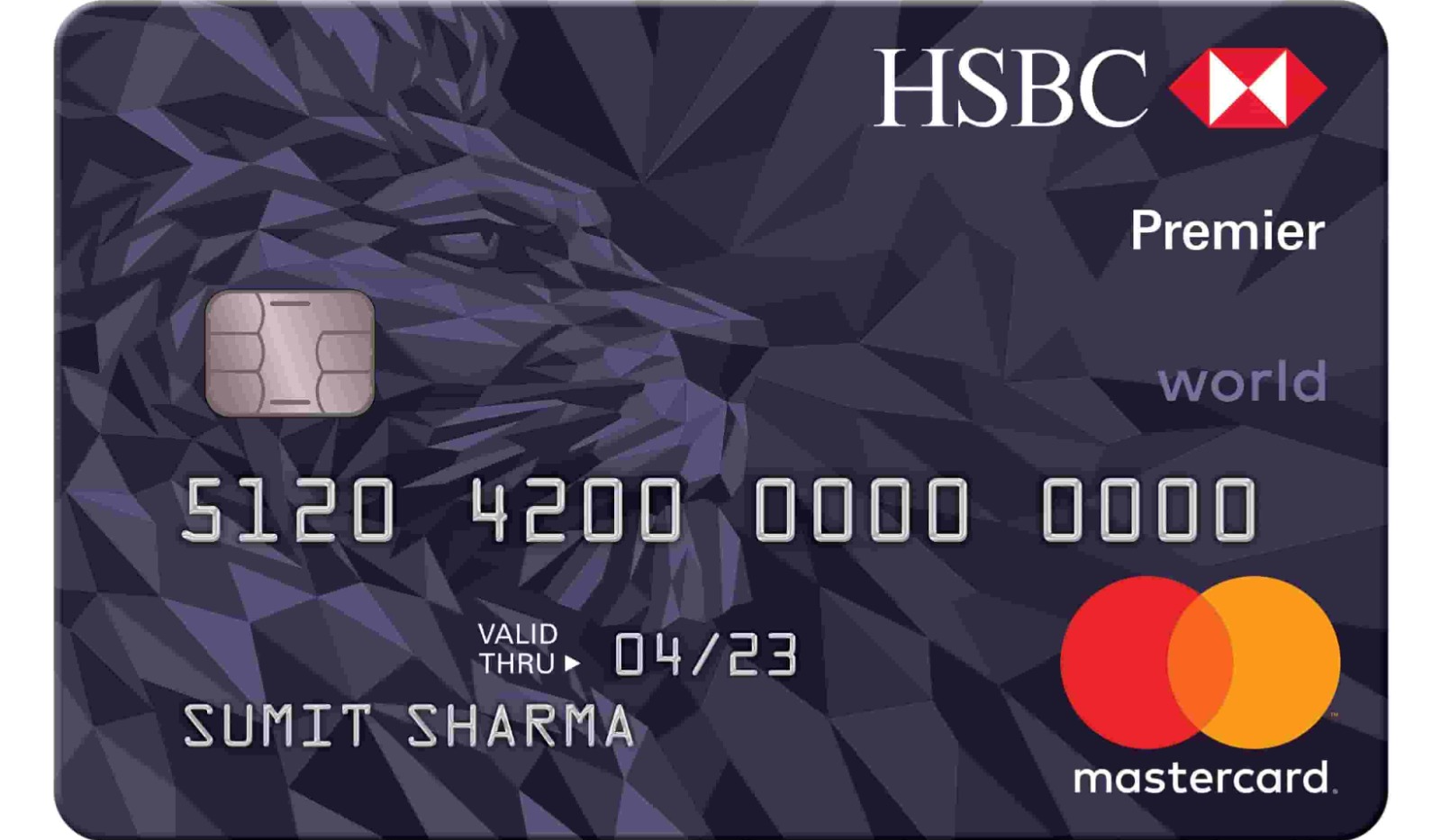
How to Join a Credit Builder Program for Low CIBIL Scores?
Joining a credit builder program in India is a practical step for those with low CIBIL scores looking to improve their creditworthiness. First, check your current credit score and clear any existing debts. Then, choose a suitable program like ICICI Bank’s secured credit card against fixed deposits or fintech options, which offer small loans and personalized guidance. Apply by submitting the necessary documents either online or at a branch, and if required, provide collateral like a fixed deposit. Use the credit responsibly by making timely payments and maintaining low utilization to gradually raise your score over time. Monitoring progress regularly helps avoid surprises and stay on track.
What Are Credit Builder Programs and How Do They Work?
Credit builder programs are designed specifically for individuals who have low or no credit history, helping them establish or improve their credit scores over time. These programs typically use secured credit products, like secured credit cards backed by a fixed deposit, which act as collateral and reduce the risk for lenders. Another common feature is small credit builder loans, repaid in easy EMIs, which help create a consistent payment history that is reported to credit bureaus like CIBIL and TransUnion.
Many credit card for low CIBIL score include personalized credit report analysis and expert advice, allowing users to understand their credit behavior and learn how to manage credit responsibly. Regular monitoring and alerts help detect fraud or mistakes early, encouraging timely repayments and low credit utilization. This focused approach gradually improves credit scores over several months by building a positive record with credit bureaus.
These programs often come with educational resources to guide users on maintaining good credit habits, emphasizing the importance of paying bills on time and keeping credit usage low. Offered by banks, fintech companies, or NBFCs, the features and eligibility criteria vary, but the core goal remains the same: to help individuals build a strong credit profile through disciplined credit use and timely repayments.

ICICI Bank Credit Builder Program: Eligibility and Process
ICICI Bank’s Credit Builder Program is designed for customers with low or no credit scores, including those who currently have overdue payments. However, before joining, customers need to clear any existing overdue dues or settle written-off accounts to qualify. Once eligible, the bank issues an Insta Platinum Credit Card secured by a fixed deposit held by the customer. This secured card acts as a tool to build positive credit history when used responsibly. By making timely payments on the card and maintaining low credit utilization, the customer’s credit score improves gradually. Apart from helping to clear old dues, the program increases the chances of approval for future loans and credit lines. To apply, customers can send an SMS with the code “CBCB” to 9215676766, call ICICI customer care selecting options 1, 7, 5, or visit a Credit Builder enabled ICICI branch. Regular monitoring of credit reports is advised to track progress and avoid surprises. To maximize benefits, it’s essential to avoid late payments and keep credit usage low. Maintaining a mix of secured credit (like this program) and unsecured credit is also recommended to establish a well-rounded credit profile.
Eligibility Criteria for Credit Builder Programs in India
Credit builder programs in India generally target individuals who have low or no credit scores registered with credit bureaus. Before applying, it is important to check your current credit score to understand your eligibility. Most providers require applicants to have no active defaults or extremely high overdue amounts; some may ask you to clear existing overdue payments before joining. Proof of identity and address is mandatory, and certain lenders might also request income proof to assess repayment capacity. For secured credit cards offered as part of these programs, a fixed deposit or collateral is necessary to secure the credit limit. Eligibility can vary slightly depending on whether the program is offered by banks, fintech companies, or non-banking financial companies (NBFCs). Additionally, some programs have minimum age or employment requirements to ensure responsible credit usage. Importantly, applicants should be willing to use credit responsibly and commit to timely repayments, as the purpose of these programs is to rebuild or establish a positive credit history. Many credit builder programs also welcome individuals with no prior credit history, providing a pathway to start building credit from scratch.
Step-by-Step Guide to Joining a Credit Builder Program
Start by checking your latest credit score and credit report from CIBIL TransUnion to understand your current credit status. Next, clear any existing dues or settle overdue accounts, as most programs require you to have no outstanding defaults before enrolling. Research different credit builder programs to find one that fits your needs, whether it’s a secured credit card backed by a fixed deposit or a small credit builder loan. Prepare the necessary documents such as ID proof, address proof, and income proof, as these are often required during the application process. You can apply online, via the provider’s app, or in person at a branch depending on the option available. For secured credit cards, be ready to deposit the fixed deposit or collateral amount required by the bank. Once you receive your credit product, use it responsibly by keeping your spending within limits and paying your dues on time every month. Setting reminders for payment due dates can help avoid late fees and negative marks on your credit report. Regularly monitor your credit score through official portals or the program’s dashboard to track your progress. Remember, consistent use and timely repayments over several months are key to seeing noticeable improvements in your credit score.
Tips to Improve Your Credit Score While in the Program
To improve your credit score while participating in a credit builder program, always prioritize paying your EMIs or credit card dues on or before the due date. Timely payments form the foundation of a positive credit history. Keep your credit utilization under 30% of your assigned credit limit to show responsible credit usage. Avoid applying for multiple credit products in a short time, as frequent inquiries can signal risk to lenders. Maintaining a balanced mix of secured credit (like secured credit cards backed by fixed deposits) and unsecured credit also helps create a healthy credit profile. Regularly review your credit report to catch errors or fraudulent activities early, which could otherwise harm your progress. Use your credit builder loan or card actively, but don’t overspend; using credit prudently reflects well on your credit behavior. Setting up automatic payments can prevent missed dues and late fees, which negatively impact your score. Limit large purchases until your credit score improves to avoid high utilization and potential financial strain. Avoid co-signing loans unless necessary, as this adds risk to your credit profile. Lastly, be patient—credit scores typically improve over several months of consistent, responsible credit behavior rather than overnight. For example, if you are using a secured credit card from a program like ICICI’s, paying off the balance in full each month and keeping utilization low can steadily raise your score.
- Always pay EMIs or credit card dues on or before the due date.
- Keep your credit utilization below 30% of your assigned credit limit.
- Avoid applying for multiple credit products in a short period.
- Maintain a balanced mix of secured and unsecured credit facilities.
- Regularly review your credit report to check for errors or fraud.
- Avoid co-signing loans unless absolutely necessary to reduce risk.
- Use your credit builder loan or card actively but do not overspend.
- Set up automatic payments if possible to avoid missing dues.
- Limit large purchases until your credit score improves.
- Be patient; credit scores generally improve over several months of good behavior.
How to Use Secured Credit Cards to Boost Your Credit?
Secured credit cards are a practical tool for people with low CIBIL scores to start building a positive credit history. These cards require you to deposit a fixed amount as security, which usually becomes your credit limit. By using the card for small, regular purchases and paying the full balance on time every month, you demonstrate responsible credit behavior. It’s important to keep your credit utilization low—ideally below 30%—and never max out the card, as high utilization can hurt your score. Regularly reviewing your monthly statements helps you spot any unauthorized charges early and keeps your account in good standing. Since secured cards are easier to get approved for compared to unsecured ones, they serve as a stepping stone. After consistent on-time payments and responsible usage, you may become eligible for unsecured credit cards with higher limits and better terms. Before applying, make sure to check the fees and terms tied to the secured card to avoid unexpected costs. Using a secured credit card thoughtfully sets the foundation for improving your credit score over time.
Key Actions to Avoid During a Credit Building Journey
During your credit-building journey, it’s important to avoid habits that can hurt your progress. Missing or delaying payments on credit cards or loans can seriously damage your credit score, even if you are enrolled in a credit builder program. Keep your credit utilization low, ideally below 30%; consistently maxing out your credit limits signals risk to lenders. Applying for multiple loans or credit cards within a short time can also lower your score, as it indicates financial distress. Always review your credit reports and promptly address any errors or fraudulent entries—ignoring them can cause lasting damage. Taking unsecured loans without a clear repayment plan adds unnecessary risk and can lead to missed payments. Be cautious about co-signing loans for others, as any default by the primary borrower affects your credit too. Avoid closing old credit accounts prematurely since a longer credit history usually improves your creditworthiness. Don’t ignore alerts or notifications from credit bureaus or your credit builder program; they often provide early warnings about issues. Using credit for expenses beyond your repayment capacity can trap you in debt and stall your credit improvement. Lastly, make a habit of regularly monitoring your credit score progression to stay on track and catch problems early.
How does Regular Monitoring Help Manage Your Credit Progress?
Regularly tracking your credit score is essential in understanding how your financial behavior affects your creditworthiness. By monitoring your credit report through bureaus like CIBIL TransUnion, you can spot any errors or fraudulent activities early, preventing potential damage to your credit history. Being aware of changes in your credit report helps you adjust your spending and repayment habits based on score trends, making it easier to stay on track. Many credit builder programs offer dashboards or app notifications that alert you to unusual activities or new credit inquiries, which keep you informed and cautious. This ongoing monitoring encourages disciplined financial behavior and accountability, reducing the risk of surprises when applying for loans or credit cards. Seeing your progress over time can also motivate you to maintain responsible credit use, reinforcing positive habits that improve your score steadily.
Where to Find and Apply for Credit Builder Programs?
You can find credit builder programs through various channels, depending on the type of provider you prefer. Banks like ICICI offer secured credit cards as part of their credit builder programs, which you can apply for directly via their official website, mobile app, or by visiting a branch in person. If you prefer digital-first options, fintech companies provide membership-based credit builder plans where you can sign up through their app for easy access and expert guidance. Many Non-Banking Financial Companies (NBFCs) and other financial institutions also offer small credit builder loans designed to help establish a positive repayment history. To apply, you can usually start by checking the lender’s official website or app where application portals are available. Customer care representatives are also a useful resource, as they can walk you through the requirements and application steps over the phone or at branch locations. Additionally, online marketplaces and comparison websites list various credit builder products, allowing you to compare features and select programs that fit your needs. User reviews and experiences shared on social media and online forums can give you insights into the effectiveness and service quality of different programs. Before sharing any personal or financial information, it’s important to verify the authenticity of the program by checking official sources and customer feedback. Whether you choose a bank, fintech, or NBFC program, applying through official channels and maintaining clear communication will help ensure a smooth enrollment process.

Roderick Smith is a writer, blogger, and business owner. He has been writing for over 5 years and his blog naouelmoha.net offers valuable information about the business, health, law, and the latest technology. Roderick lives in Nashville with his wife and three children.