
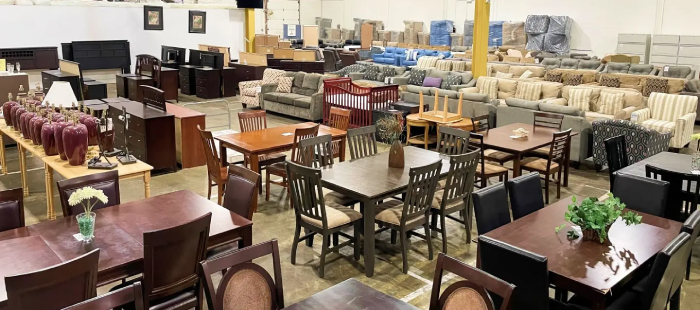
Why Choose a Used Furniture Store in Washington DC?
Choosing a used furniture store in Washington DC offers many benefits. First, it’s often much cheaper than buying new, helping people save a good amount of money while still getting quality pieces. Many used items are well-made and durable, especially older or vintage furniture you won’t find in typical stores. Beyond cost and quality, buying used also helps the environment by reducing waste and lowering demand for new resources. Plus, local stores make it easy to check items before buying and avoid shipping hassles. With unique finds and community support, choosing used furniture is a practical option for many residents.
Significant Cost Savings on Quality Furniture
Choosing a used furniture store in Washington DC offers substantial savings, with prices typically 30% to 70% lower than buying new. This makes it easier for budget-conscious shoppers, including students and families, to find stylish, well-maintained pieces without stretching their finances. Many stores host sales, clearance events, and offer consignment pricing, further lowering costs compared to retail outlets. These savings often allow buyers to afford higher-end brands or solid wood furniture, which might be out of reach if purchased new. Local shops in DC frequently provide room for negotiation or bundle discounts, making deals even more attractive. Despite the lower prices, quality remains high since many items are gently used or nearly new. Additionally, buying used can reduce expenses related to warranties or protection plans. With these savings, shoppers can furnish multiple rooms affordably, creating complete home setups while freeing up funds for other household needs or decor upgrades. The competitive resale market in Washington DC encourages sellers to price items attractively, ensuring buyers get good value for their money.

Finding Durable and Well-Made Pieces
Many used furniture pieces, especially vintage or antique ones, are crafted from solid hardwoods like oak, maple, or mahogany, which are known for their strength and longevity. These older items were often built with traditional craftsmanship techniques such as dovetail joints and hand-carved details that add to their durability, making them sturdy enough to last for decades. In contrast, a lot of new furniture today is mass-produced using particleboard or laminate, materials that tend to wear out more quickly. Washington DC’s used furniture stores, including consignment shops, often specialize in high-quality, well-maintained pieces that have stood the test of time. Many of these items come from estate sales or downsizing efforts, meaning previous owners cared for them, and some stores even perform minor repairs or refurbishing before resale, further boosting their durability. Shoppers benefit from being able to inspect furniture in person, checking for sturdiness and any defects, which is harder to do with online purchases. Choosing durable used furniture not only offers long-term value but also provides reliable pieces that can serve well with simple upkeep and occasional repairs.
Environmental Benefits of Buying Used
Choosing used furniture in Washington DC helps reduce landfill waste by giving existing items a longer life. This practice lowers the need for new furniture production, which uses up raw materials and energy. With the city’s push toward a circular economy, buying used fits well into local environmental goals. Since used furniture doesn’t require new manufacturing or long-distance shipping, it cuts down carbon emissions compared to new pieces. Additionally, refurbishing or upcycling used furniture saves resources and supports a more sustainable lifestyle. Local sales keep quality items circulating, reducing how much furniture ends up discarded in the city. Buying used also avoids the environmental impact of plastic packaging and chemical treatments often found with new furniture. Supporting local stores means fewer transportation emissions since items don’t have to travel far. Overall, consumers play a direct role in waste reduction by diverting usable furniture from dumps and incinerators, aligning their choices with Washington DC’s broader efforts to promote greener, eco-friendly habits.
- Buying used furniture reduces landfill waste by extending the life of existing items.
- It lessens the demand for new furniture manufacturing, which consumes raw materials and energy.
- Washington DC’s environmental goals encourage circular economy practices, making used furniture a practical option.
- Lower manufacturing and shipping needs decrease associated carbon emissions compared to new furniture.
- Upcycling and refurbishing used pieces reduces resource consumption and supports sustainable living.
- Used furniture sales keep quality goods in circulation, reducing the volume of discarded furniture in the city.
- Choosing used helps avoid the environmental impact of plastic packaging and chemical treatments common in new furniture.
- Supporting local used furniture stores decreases transportation distances, further reducing emissions.
- Consumers contribute to waste reduction by diverting usable furniture from dumps and incinerators.
- The practice of buying used aligns with broader efforts in Washington DC to promote green, eco-friendly consumer habits.
Discover Unique and One-of-a-Kind Items
Used furniture stores in Washington DC offer a treasure trove of unique pieces that you won’t find in typical new furniture outlets. From mid-century modern chairs to rustic antiques, these stores carry items with distinct character and style. The city’s diverse population contributes to a rich resale market filled with furniture from various eras and cultures, giving shoppers plenty of options to choose from. Finding a one-of-a-kind piece lets you create a personalized space that stands out from the common, mass-produced looks seen in big box stores. Vintage and eclectic items often become conversation starters or focal points in a room, adding personality and warmth. Many used shops also feature handcrafted or artisan furniture that reflects regional tastes and heritage, offering something truly special. Collectors and enthusiasts can discover rare or limited-edition finds that add both style and story to a home. Mixing these unique pieces with newer items helps build layered, interesting interiors that feel lived-in and authentic. Beyond aesthetics, owning furniture with a history brings emotional value, making your space feel more meaningful. Plus, shopping locally in DC supports sustainable choices and allows you to reflect your individual style while contributing to a circular economy.
Convenience of Shopping Locally in Washington DC
Washington DC offers a range of used furniture stores that are easy to reach for residents, making local shopping straightforward and hassle-free. Being able to visit stores in person lets buyers inspect, test, and choose pieces with confidence, avoiding surprises that can come from online purchases. Since many shops are clustered in neighborhoods throughout the city, shoppers can browse multiple options in one trip, comparing styles and prices without spending extra time or money on travel. Local sellers typically provide tailored pickup or delivery services that work well with the city’s unique logistics, which helps reduce waiting times and lowers the risk of damage during transit. For those who prefer to transport items themselves, nearby stores mean no need for rental trucks or costly movers. Plus, shopping locally supports small businesses and keeps money circulating within the community. Returning items or resolving any issues is also much easier when dealing with a physical store rather than a distant seller, adding another layer of convenience and peace of mind to the buying process.
Economic Reasons for Choosing Used Furniture
The high cost of living in Washington DC makes affordable furniture a necessity for many residents. Students, interns, and government employees often look for temporary and budget-friendly options that won’t strain their finances. Used furniture stores in the city cater to a wide range of incomes by offering flexible prices, allowing people to furnish their homes or workspaces without overspending. For those who move frequently, such as interns or young professionals, used furniture provides a practical solution that fits a transient lifestyle. Additionally, buying used supports local resale businesses and helps create jobs in areas like sales, refurbishing, and delivery. This circulation of goods and services contributes positively to the local economy, while also enabling sellers to earn extra income by consigning gently used items. During economic downturns, these stores become even more attractive, as they align with the sensible spending habits common among urban dwellers trying to balance expenses like housing, transportation, and education.
Customizing and Upcycling Opportunities
Used furniture offers a great foundation for DIY projects, letting buyers tailor pieces to their personal style without starting from scratch. In Washington DC, many people enjoy painting, reupholstering, or refinishing furniture to give it a fresh look and improved function, often at a fraction of the cost of buying new. This hands-on approach not only makes standard items unique but also helps furniture better fit specific spaces or tastes. The city’s creative communities actively embrace upcycling as a way to personalize furniture while promoting sustainability. Through customizing and refurbishing, individuals develop new skills and express artistic ideas, turning a simple project into a rewarding experience. Refurbishing also extends the life of furniture, which means fewer replacements and less waste. For hobbyists and crafters, used furniture provides affordable materials to experiment with design and craftsmanship. Local workshops and classes often support these efforts by teaching upcycling techniques, making it easier for residents to get involved. Unlike new mass-produced furniture, which can limit customization or make it expensive, used pieces open doors to affordable, creative possibilities that support environmentally friendly choices.
Lower Risks Compared to Online Marketplaces
Choosing a used furniture store in Washington DC reduces many risks compared to buying through online marketplaces. Established local stores usually offer return policies or guarantees, giving buyers some protection if the item doesn’t meet expectations. Unlike online sellers, stores inspect and clean items before putting them up for sale, which helps avoid hidden defects or unpleasant surprises. Shopping in person also lets customers check the furniture’s condition, size, and comfort firsthand, cutting down on buyer’s remorse. Many stores provide repair services or maintenance advice after purchase, adding value beyond the sale. Online platforms often come with risks like scams, misrepresented items, or poor communication, especially from individual sellers. Local stores have reputations to uphold, so they tend to maintain higher quality standards. In-person shopping also avoids shipping damage, common when bulky furniture is mailed, and stores often offer insured delivery options for extra peace of mind. Additionally, buyers can ask questions and get expert guidance from staff, making the experience more reliable and informative. Lastly, handling returns or exchanges is simpler with local stores than navigating the often complicated online dispute and shipping processes.
Supporting Community and Ethical Values
Many used furniture stores in Washington DC are more than just retail spaces; they are hubs of community support and ethical practices. These stores often work closely with nonprofits to donate furniture or provide affordable options to underserved populations, helping those in need while keeping furniture in circulation. By shopping locally at these stores, buyers support small business owners who contribute directly to the local economy and help maintain a vibrant resale market. Choosing used furniture also means supporting ethical consumption since it reduces the demand for new manufacturing, which can involve questionable labor practices and environmental harm. Some stores promote fair trade and socially responsible sourcing, making it easier for consumers to make conscious choices. In addition, community-oriented stores create connections between sellers, buyers, and local organizations, fostering a sense of shared responsibility. This approach also encourages a sharing economy that values reuse over waste, reflecting the growing popularity of thrift and consignment shopping in Washington, DC. Compared to large corporate retailers, buying from local used furniture stores often offers more transparency and accountability, letting consumers feel confident that their purchases align with their values.

Roderick Smith is a writer, blogger, and business owner. He has been writing for over 5 years and his blog naouelmoha.net offers valuable information about the business, health, law, and the latest technology. Roderick lives in Nashville with his wife and three children.