
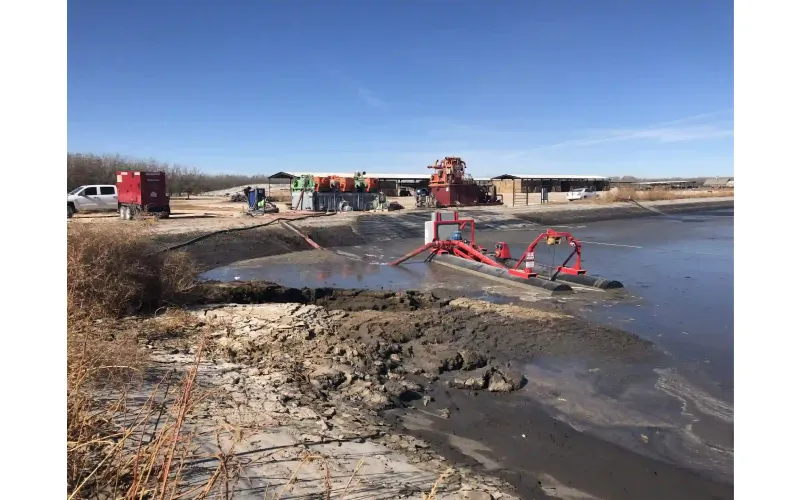
What Happens During a Lagoon Dredge?
Lagoon dredging is an exciting process focused on cleaning out accumulated sludge, sediment, and debris from lagoons. This essential task helps restore their capacity and functionality, ensuring optimal wastewater treatment efficiency while improving the lagoon’s appearance and eliminating unpleasant odors. Over time, lagoons gather organic and inorganic materials that compromise water quality and storage capacity, leading to environmental issues like algae blooms. The dredging involves careful planning with assessments to choose the right equipment, like cutterhead, submersible, or floating dredges, to handle the job efficiently. Regularly dredging lagoons not only extends their operational lifespan but also promotes a healthier environment,response cost-effectively.
1. Definition of Lagoon Dredging
Lagoon dredging is an exciting and essential process focused on cleaning and restoring water bodies like lagoons. It involves the removal of accumulated sludge, sediment, and debris from the bottom, which helps to revive their capacity and functionality. By clearing out unwanted materials, lagoon dredging not only improves water quality but also enhances the overall health of the ecosystem. This process can vary greatly in scale, ranging from small ponds to expansive lagoons, making it a key activity for maintaining aquatic environments. Before embarking on dredging, it is crucial to understand the structure of the lagoon, as it ensures that the chosen techniques and equipment are appropriate for the task at hand. Ultimately, lagoon dredging plays a vital role in regular maintenance schedules, contributing to cleaner, healthier water bodies that support diverse wildlife and recreational activities.

2. Purpose of Lagoon Dredging
Lagoon dredging serves several vital purposes to maintain the health of our water ecosystems. One primary goal is to restore the lagoon’s water holding capacity, which can diminish over time due to the accumulation of sludge and sediment. This restoration is crucial for enhancing the efficiency of wastewater treatment processes, ensuring that lagoons can effectively manage waste and prevent overflow. Additionally, dredging helps to eliminate unpleasant odors that often arise from stagnant sludge, creating a more pleasant environment for nearby communities.
Another essential aspect of dredging is preventing the buildup of harmful substances in the water. By removing excess sludge, we can mitigate the risk of environmental contamination and protect aquatic life. Furthermore, regular dredging improves the overall visual appeal of the lagoon, making it a more attractive spot for recreation and wildlife observation. It also ensures compliance with environmental regulations, which is critical for maintaining public trust and ecological health.
Moreover, dredging prepares lagoons for seasonal changes and weather events, reducing the risk of costly repairs from deteriorating conditions. It supports local communities that rely on clean water sources, ensuring they have access to safe and healthy environments for both people and wildlife. Overall, lagoon dredging is not just a maintenance task, it’s a proactive approach to safeguarding our precious water resources.
3. Common Uses of Lagoons
Lagoons serve a variety of important purposes in our communities and ecosystems. One of their primary uses is in municipal wastewater treatment systems. These lagoons help to treat and clarify wastewater, making it safer for release into the environment. Additionally, lagoons are often used as storage for agricultural runoff and manure, helping farmers manage excess nutrients and protect nearby waterways from pollution. They also function as retention basins for stormwater management, capturing and controlling runoff to prevent flooding and erosion.
Beyond their utilitarian functions, lagoons provide vital habitats for numerous wildlife species, supporting biodiversity in the area. They can be excellent spots for recreational activities, such as fishing and kayaking, offering a fun escape into nature. In aquaculture, lagoons play a crucial role in fish farming practices, allowing for the sustainable cultivation of seafood. Moreover, they facilitate various industrial processes, particularly in food production, where they may be used for processing and cooling.
Lagoons also help manage nutrient runoff from surrounding lands, acting as natural filtration systems that trap pollutants before they can enter larger water bodies. This essential filtering process enhances water quality and supports research and educational programs focused on ecology, promoting greater awareness of environmental issues. With all these uses, lagoons are invaluable resources that contribute to both human activities and the health of our ecosystems.
4. Accumulation of Sludge
Lagoons naturally accumulate sludge over time, which consists of organic waste and sediments. This buildup can significantly reduce the lagoon’s storage capacity, leading to challenges in wastewater management. Excess sludge can also degrade water quality, creating health risks for both humans and wildlife. Nutrients within the sludge can trigger harmful algal blooms, which not only affect aquatic life but also produce foul odors from decomposing organic matter. It’s crucial to regularly monitor sludge accumulation rates to manage these risks effectively. The composition of the sediment can vary widely, impacting the methods used for dredging. Additionally, sludge may harbor pathogens, posing dangers to public health. By removing sludge, we can restore water clarity and maintain a healthier lagoon environment. Neglecting sludge management can lead to costly environmental issues that are harder to rectify over time.
- Sludge builds up from organic waste and sediments over time.
- Excess sludge can lead to poor water quality and health risks.
- It decreases the lagoon’s storage capacity significantly.
- Accumulated nutrients can cause harmful algal blooms.
- Foul odors can arise from decomposing organic matter.
- Regular monitoring helps identify sludge accumulation rates.
- Sediment composition can vary, affecting dredging methods.
- Sludge can contain pathogens that pose risks to humans and wildlife.
- Removing sludge is essential for maintaining water clarity.
- Failure to manage sludge can result in costly environmental issues.
5. Challenges of Lagoon Dredging
Lagoon dredging presents a unique set of challenges that require careful navigation. One major hurdle is accessing remote lagoons, which can be logistically difficult and may require creative solutions to transport equipment and personnel. Additionally, shallow water depths often limit the types of dredging equipment that can be effectively used, making it essential to choose the right tools for the job. Environmental regulations add another layer of complexity, as they necessitate thorough planning to ensure compliance and protection of local ecosystems.
Weather conditions can also impact dredging schedules, with rain or storms potentially delaying operations. Maintaining water quality is crucial, hence preventing sediment resuspension during dredging is vital. Striking a balance between efficient dredging and environmental protection is a delicate dance, requiring skilled operators to monitor and adjust procedures on the fly. Moreover, navigating existing infrastructure near lagoons, like pipelines or roads, can complicate operations further.
Wildlife presence is another consideration, as certain species may restrict dredging activities, particularly during breeding seasons. Public perception and community concerns can arise, especially if local residents worry about potential environmental impacts or disruptions during the dredging process. Finally, coordinating with multiple stakeholders, such as environmental agencies, local governments, and community groups, can complicate project timelines and decision-making. Each of these challenges requires thoughtful strategies and collaboration to ensure successful lagoon dredging.
6. Equipment Used in Lagoon Dredging
Lagoon dredging relies on a variety of specialized equipment tailored for different conditions and requirements. Cutterhead dredges are the powerhouse of the operation, designed to tackle compacted sediments. They effectively break up these dense materials and pump them out, making them ideal for larger lagoons that may have sediment buildup over time. For smaller lagoons or areas with limited access, submersible dredges come into play. These versatile machines operate directly submerged in the lagoon, allowing for efficient sediment removal in tighter spaces.
When navigating deeper waters, floating dredges are the go-to option. Mounted on pontoons, these dredges can easily access and operate in deeper lagoons, providing precision dredging capabilities. In some cases, excavators may also be deployed for manual sediment removal, particularly in areas where mechanical dredging is challenging.
To transport dredged materials efficiently, hydraulic pumps are essential. They enable quick movement of sediment from the lagoon to designated disposal or repurposing sites. Suction dredges are particularly noteworthy, as they minimize disturbance to the surrounding environment, which is crucial for maintaining aquatic ecosystems.
Handling sludge is another critical aspect of the dredging process, and dewatering systems become indispensable here. These systems help manage the water content of the dredged materials, making them easier to handle and dispose of. Safety equipment is also paramount, ensuring that workers are protected throughout the dredging operations.
Environmental monitoring tools play a vital role in assessing the impact of dredging activities. By keeping an eye on water quality and sediment levels, operators can adjust their methods as needed to minimize harm to the ecosystem. Additionally, custom attachments can enhance the capabilities of dredging equipment, allowing for tailored solutions that meet specific lagoon conditions and challenges.
7. Dredging Process Overview
The dredging process begins with pre-dredging assessments, where sediment testing is conducted to understand the type and quality of materials present. Mapping the lagoon is crucial, as it helps identify problem areas that may require special attention. Before any physical work begins, obtaining regulatory permits is necessary to ensure compliance with local and environmental laws. Once permits are secured, the equipment is mobilized to the site. It’s vital to test the equipment on-site to ensure everything operates correctly and safely.
During the dredging operations, efficiency is closely monitored. Operators must follow strict safety protocols to protect both workers and the surrounding environment. Sediment removal is done methodically to limit impact on the lagoon’s ecosystem. This careful approach ensures that the dredging process does not disturb the aquatic life more than necessary.
Handling and disposing of the dredged material is another critical component of the process. The sediment must be dewatered and disposed of or repurposed following regulatory guidelines to prevent environmental contamination. After dredging is complete, post-dredging evaluations assess the project’s success, helping to ensure that the lagoon is restored effectively. Finally, rehabilitation efforts are undertaken to restore the lagoon’s ecosystem, ensuring that it remains healthy and functional for years to come.
8. Environmental Considerations
Environmental considerations during lagoon dredging are vital to protect aquatic ecosystems and surrounding habitats. One key measure is the use of silt curtains, which effectively contain disturbed sediments, preventing them from spreading and affecting water quality. Conducting dredging work during off-peak seasons is another strategy, as it helps safeguard wildlife during critical breeding periods. Regular environmental assessments are essential to ensure compliance with regulations and evaluate the impact of dredging activities.
Mitigation plans are developed to address potential negative impacts, and post-dredging, restoring vegetation is crucial for stabilizing banks and promoting ecosystem recovery. Monitoring water quality throughout the dredging process is also critical, as it ensures that any adverse effects are promptly addressed. Engaging with the community fosters transparency in the project and enhances public awareness of lagoon health. Using eco-friendly practices and collaborating with environmental agencies can significantly minimize harm. Additionally, educational initiatives can help raise awareness about the importance of maintaining healthy lagoons, ensuring that both current and future generations benefit from these vital ecosystems.
9. Benefits of Regular Lagoon Dredging
Regular lagoon dredging offers numerous benefits that enhance the health and efficiency of these vital water bodies. One of the main advantages is the restoration of the lagoon’s original capacity and functionality. By removing accumulated sludge and debris, dredging ensures that the lagoon can effectively manage wastewater and prevent overflow, significantly reducing the risks associated with flooding. Moreover, dredging improves overall water quality and clarity, which is essential for sustaining healthy aquatic life and habitats. This process also helps to prevent the growth of harmful algae, which can disrupt the ecological balance and create unpleasant odors. Additionally, regular dredging can lower long-term maintenance costs and efforts, allowing for more efficient management of lagoon resources. Compliance with local environmental laws is enhanced, as maintaining a clean lagoon prevents contamination and promotes a healthier ecosystem. The aesthetic appeal of the lagoon is also improved, encouraging recreational opportunities for communities, which can foster a stronger connection to the natural environment. Overall, the benefits of regular lagoon dredging are clear, making it a critical practice for preserving the integrity and beauty of these important water systems.
10. Why Choose EDDY Pump for Lagoon Dredging
When it comes to lagoon dredging, EDDY Pump stands out with its advanced technology, delivering high suction power that significantly reduces clogging. This innovation not only enhances efficiency but also ensures smoother operations. With a proven track record of successful projects, EDDY Pump has demonstrated its capability across various lagoon conditions, making it a trusted choice for many. Their solutions are customizable, catering to the unique needs of each lagoon, whether it’s for wastewater treatment or agricultural applications. Furthermore, EDDY Pump prioritizes environmental responsibility, implementing practices that minimize impact and promote sustainability throughout the dredging process. Clients benefit from comprehensive support, which includes training for operators to ensure safety and effectiveness during dredging operations. EDDY Pump also engages with local communities to foster better project outcomes, ensuring that everyone involved understands the process and its benefits. The equipment is designed for durability and reliability, providing peace of mind that it can withstand the rigors of lagoon dredging. Even after project completion, EDDY Pump continues to offer ongoing support, reinforcing their commitment to client satisfaction and successful dredging outcomes.
Frequently Asked Questions
1. What is lagoon dredging?
Lagoon dredging is the process of removing sediment, mud, or debris from a lagoon. This helps to improve water quality, create better habitats for wildlife, and maintain proper water flow.
2. Why is dredging important for a lagoon?
Dredging is important because it helps to prevent the buildup of harmful pollutants, supports aquatic life, and makes recreational areas safer and more enjoyable for people.
3. How is a lagoon dredged?
Lagoon dredging usually involves heavy machinery, such as dredges or excavators, which scoop out the material from the bottom of the lagoon. The removed material is then typically transported to another location for disposal or beneficial reuse.
4. What kinds of materials are removed during dredging?
During dredging, various materials can be removed, including silt, sand, mud, organic matter, and sometimes debris like trash. The specific materials depend on the condition of the lagoon and its surroundings.
5. Are there any environmental impacts of lagoon dredging?
Yes, while dredging can be beneficial, it can also disturb local habitats and water quality. However, with proper planning and environmental monitoring, these impacts can be minimized to protect the ecosystem.
TL;DR Lagoon dredging involves removing sludge and debris from lagoons to restore their capacity and functionality. It is essential for effective wastewater treatment and preventing environmental contamination. Common uses include agricultural applications and industrial processes. The dredging process includes planning, equipment mobilization, sediment removal, and handling dredged materials. Environmental considerations are critical to minimize impact on aquatic life. Regular dredging enhances compliance with environmental regulations and prolongs lagoon lifespan. Choosing EDDY Pump ensures advanced technology and customizable solutions for successful dredging projects.
Resource Url:
https://en.wikipedia.org/wiki/Dredging
https://mudcatdredge.com/agriculture-dredging-systems/

Roderick Smith is a writer, blogger, and business owner. He has been writing for over 5 years and his blog naouelmoha.net offers valuable information about the business, health, law, and the latest technology. Roderick lives in Nashville with his wife and three children.