
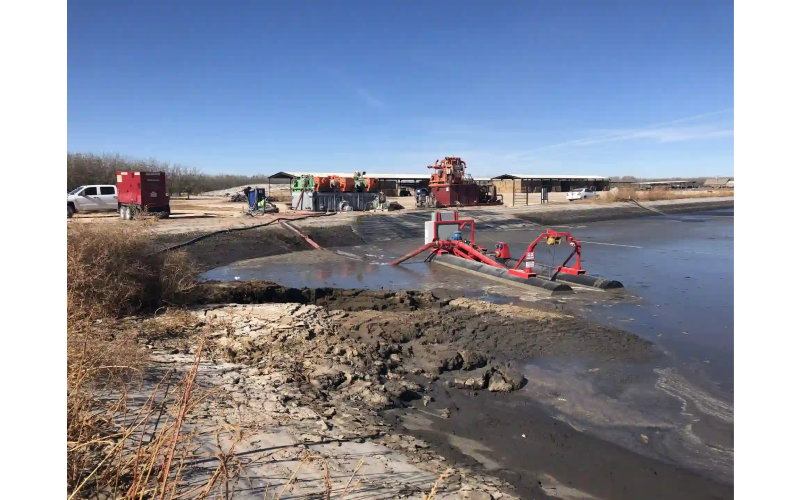
How to Maintain Your Lagoon Dredge?
Maintaining your lagoon dredge isn’t as complicated as it might seem. First, regularly check the engine oil and filters to keep everything running smoothly. It’s easy to overlook these simple tasks but they can really prevent bigger problems. Also, clean the dredge after each use to avoid build-up of debris and mud that could clog parts. Make sure hoses and connections are tight since leaks might reduce efficiency or cause damage over time. Don’t forget to inspect the pump impeller because worn out parts will affect performance a lot. Taking these small steps now helps save you time and money later on, making your dredging work less stressful overall.
Inspecting the Dredge Components Regularly
Regular inspection of your lagoon dredge is crucial to keep it running smoothly and prevent costly breakdowns. Start by examining all structural parts for cracks or corrosion, especially around joints and welds, as these can weaken the frame over time. Make sure all bolts and fasteners are tight and secure, since loose hardware can lead to misalignment or damage during operation. Check electrical wiring closely for any signs of wear, fraying, or damage that could cause shorts or failures. Hydraulic hoses need careful attention, look for leaks, bulges, or soft spots that could indicate impending failure. Don’t overlook seals and gaskets around moving parts; if they show signs of wear or cracking, they might allow fluid leaks or contamination. The cutter head should be inspected for visible damage or wear, as dull or chipped teeth reduce efficiency. Likewise, examine the pump casing and impeller for erosion or clogging, which can impact dredge performance. The dredge ladder and its connections must be solid and free from damage to ensure proper positioning. Also, monitor the suction and discharge pipes for cracks, leaks, or blockages that could restrict flow. Keeping a detailed record of all findings and noting any irregularities is important for timely follow-up and maintenance planning. This routine inspection helps catch small issues early, avoiding bigger problems during dredging operations.

Cleaning the Dredge to Prevent Blockages
Regular cleaning of your lagoon dredge is essential to keep it running smoothly and avoid costly downtime. Start by removing debris and sediment buildup from the cutter head area, as this is where blockages often begin. Flushing out the suction and discharge pipes helps clear any trapped material that could reduce flow or damage components. Don’t forget to clean hydraulic filters and strainers regularly to maintain proper fluid flow and prevent contamination. Washing down external surfaces after use is important to prevent salt, dirt, or mud buildup that can cause corrosion or wear. Use cleaning agents that are safe for your dredge’s materials to avoid damaging seals or metal parts. Clearing pump intake screens prevents clogging, which can lead to pump failure or reduced suction power. Inside the engine compartments, check and clean air filters to ensure efficient combustion and avoid overheating. Removing sludge and oil residues from fuel tanks and lines helps maintain fuel quality and prevents blockages in fuel delivery. Inspect and clean cooling system components to avoid overheating during operation. Ideally, schedule this thorough cleaning routine after each dredging session to maintain peak efficiency and extend the life of your equipment. For example, a quick flush of pipes combined with a wipe down of external parts can prevent buildup from becoming a bigger problem over time.
Checking Hydraulic Systems and Fluid Levels
Before starting daily operations, always measure the hydraulic fluid levels to ensure they are within the recommended range. Inspect fittings, hoses, and connections closely for any signs of leaks, as even a small leak can reduce system efficiency or cause damage. Testing hydraulic pressure regularly helps confirm the system is functioning properly and can highlight issues before they become serious. Replace hydraulic fluid according to the manufacturer’s schedule to maintain optimal performance and prevent contamination. Keep an eye on the fluid temperature during use, since overheating can degrade fluid quality and harm components. Listen for unusual noises coming from hydraulic pumps and motors, which may indicate wear or impending failure. Check filters and strainers for dirt or debris buildup, replacing them as needed to avoid clogging and maintain clean fluid flow. Make sure hydraulic cylinders operate smoothly without hesitation or sticking, as this ensures reliable movement during dredging. Also, inspect the condition and tension of hydraulic drive belts to prevent slippage or breakage. Document all fluid level checks and any maintenance performed to keep a clear record of system health over time, which helps with troubleshooting and scheduling future upkeep.
Lubricating Moving Parts for Smooth Operation
Proper lubrication is essential to keep your lagoon dredge running smoothly and to extend the life of its moving parts. Start by applying grease to the bearings on both the cutter head and pump, as these areas experience constant motion and pressure. Don’t forget to lubricate the pivot points on the dredge ladder regularly to prevent stiffness and wear. Always use lubricants approved by the manufacturer to ensure compatibility and performance. It’s important to check all lubrication points daily during operation, but be careful not to over-lubricate, since excess grease can attract dirt and cause damage over time. Inspect grease fittings for any signs of damage or blockages that might stop lubricant from reaching critical areas. Gears and chains should also be lubricated according to the schedule specified in your dredge manual. Engine components need proper oiling as well, so keep an eye on oil levels and quality. Adjust your lubrication routine based on working conditions, like heavy use or dusty environments. Keeping a record of all lubrication activities can help you stay on track and catch potential issues before they cause downtime.
Monitoring the Engine and Fuel System
Before starting your lagoon dredge, always check the engine oil level and quality. Dirty or low oil can lead to serious engine damage. Inspect the fuel filters regularly and replace them if they become clogged to ensure smooth fuel flow. Look closely for any fuel leaks along the lines and connections, as leaks not only waste fuel but can also pose fire hazards. Testing the battery condition and ensuring all electrical connections are secure helps avoid unexpected shutdowns. Keep an eye on the engine temperature gauge and warning lights during operation to catch overheating or other issues early. Make sure the air intake filters are clean and free from obstructions, since restricted airflow can reduce engine performance. Check the exhaust system for any damage or blockages that might cause backpressure or emissions problems. Verify that fuel tank caps are tight and that vents aren’t blocked to maintain proper fuel tank pressure. Always use the fuel types recommended by the manufacturer to prevent engine issues caused by improper fuel quality. Finally, keep a detailed log of engine performance and any irregularities you notice; this record can help identify patterns and prevent bigger problems down the line.
Examining the Cutter Head and Pump Wear
Regularly measuring the cutter teeth for wear is crucial, as dull or damaged teeth reduce dredging efficiency and can cause strain on the equipment. Replace teeth as soon as wear is noticeable to avoid further damage. Inspecting the impeller blades for erosion or any visible damage is equally important because worn blades can reduce pump performance and increase energy consumption. Check the pump housing carefully for cracks or signs of corrosion, which may lead to leaks or structural failure if left unaddressed. The cutter head should rotate smoothly without vibration; any roughness or wobbling suggests misalignment or bearing issues that need correction. Look inside the pump for signs of cavitation, such as pitting or unusual noise, as this can severely damage the impeller and reduce suction power. Verify that mounting bolts on both the cutter head and pump are tight and secure to prevent unwanted movement during operation. Examine shaft seals for leaks or wear, since damaged seals can allow water ingress and harm internal components. It’s essential to check alignment between the cutter head and pump shaft to avoid uneven wear and mechanical stress. After each use, clean the cutter head thoroughly to remove debris and buildup, which can cause imbalance or corrosion over time. Tracking wear patterns over time helps schedule repairs before small issues turn into costly breakdowns. For example, noting faster wear on one side of the cutter teeth could indicate misalignment, prompting a timely adjustment before more severe damage occurs.
Replacing Worn or Damaged Parts Promptly
Maintaining your lagoon dredge means acting quickly when parts show signs of wear or damage. Keep an inventory of commonly replaced parts like cutter teeth and hydraulic hoses so you’re ready when replacements are needed. Worn cutter teeth reduce cutting efficiency, so swapping them out promptly helps keep your dredge working smoothly. If hydraulic hoses get damaged, replace them immediately to avoid leaks or system failures. Always use genuine parts to ensure they fit correctly and perform as intended. Follow the manufacturer’s instructions carefully during replacement, and inspect the new parts to confirm they are installed properly. Dispose of damaged components according to local regulations to stay environmentally responsible. To minimize downtime, schedule these replacements during planned maintenance periods. Make sure your staff is trained on the correct procedures for replacing parts safely and effectively. Keep detailed records of all replacements to track maintenance history and spot patterns that might indicate recurring issues.
Storing the Dredge Properly When Not in Use
Proper storage of your lagoon dredge is key to extending its lifespan and avoiding costly repairs. First, drain all water from the system to prevent freezing in colder months and to reduce corrosion risks. Cover the dredge components with weather-resistant materials to shield them from rain, dust, and sun damage. Store the dredge in a dry, secure location away from direct sunlight, which can degrade hoses and plastic parts over time. Disconnect the batteries to prevent discharge and consider lubricating all moving parts before storage to keep rust at bay. It’s also important to check and maintain fluid levels periodically; for fuel tanks, keep them full to minimize condensation buildup inside. Use sturdy supports to relieve stress on structural parts and avoid warping or bending during long storage periods. Regularly inspect the storage area for pests or hazards that might damage the equipment. Before putting the dredge back into service, plan a thorough pre-start inspection to catch any issues that may have developed during storage, ensuring safe and reliable operation.
Following Safety Protocols During Maintenance
When maintaining your lagoon dredge, following safety protocols is crucial to prevent accidents and injuries. Always wear personal protective equipment like gloves and safety glasses to shield yourself from debris and chemicals. Before starting any work, lock out and tag out all power sources to ensure the dredge can’t accidentally turn on. If you’re handling fuels or chemicals, work in well-ventilated areas to avoid inhaling harmful fumes. Keep the workspace clean and free of trip hazards; clutter can quickly lead to falls or other mishaps. Use proper lifting techniques and equipment to avoid strain or injury, especially when dealing with heavy parts. Stay alert around pinch points and moving parts to prevent getting caught or pinched. Strictly follow the manufacturer’s safety guidelines, they are designed with your protection in mind. Make sure fire extinguishers and first aid kits are easily accessible in case of emergencies. If you notice any unsafe conditions or have an accident, report it immediately so it can be addressed right away. Finally, ensure everyone involved in the maintenance is trained on emergency procedures and how to use safety equipment properly. Taking these steps helps keep maintenance tasks safe and efficient.
- Use personal protective equipment such as gloves and safety glasses
- Lock out and tag out power sources before starting work
- Ensure adequate ventilation when working with fuels or chemicals
- Keep work areas clean and free of trip hazards
- Use proper lifting techniques and equipment
- Be aware of pinch points and moving parts
- Follow manufacturer safety guidelines strictly
- Have fire extinguishers and first aid kits accessible
- Report any accidents or unsafe conditions immediately
- Train all personnel on emergency procedures and equipment use
Documenting Maintenance Activities for Future Reference
Keeping detailed records of all maintenance activities on your lagoon dredge is essential for long-term efficiency and reliability. Log every inspection, noting any findings or concerns, and track cleaning and lubrication tasks to ensure nothing is overlooked. Record hydraulic fluid checks and changes meticulously, as well as any engine maintenance or repairs performed. When parts are replaced, include the date and reason to help anticipate future needs. It’s also important to document incidents or unusual equipment behavior to spot potential problems early. Using standardized forms or maintenance software helps maintain consistency and makes reviewing records easier. Regularly reviewing these logs can reveal patterns or recurring issues that need attention. Sharing this information with your team promotes transparency and ensures everyone is aware of the dredge’s condition. Always store documentation securely and back up digital records to prevent data loss, making future troubleshooting and maintenance planning more effective.
Frequently Asked Questions
1. What regular checks should I perform to keep my lagoon dredge working well?
Regularly inspect the dredge for signs of wear, especially on the pump, hoses, and blades. Check for leaks, unusual noises, and loose fittings. Cleaning debris after each use helps prevent clogging and keeps the system running smoothly.
2. How often should I change the oil on my lagoon dredge engine?
Oil changes depend on the engine type, but generally, you should change the oil after the first 20 hours of use and then every 50 hours or at least once a season. Always follow the manufacturer’s guidelines for the best results.
3. What steps can I take to avoid clogging during dredging operations?
Use a screen or grate to filter large debris before it enters the pump. Operate the dredge at the recommended speed and avoid stirring excessively thick or fibrous material. Performing regular hose and pump maintenance also helps reduce clogs.
4. How should I store my lagoon dredge when it’s not in use for a long time?
Clean the dredge thoroughly to remove mud and debris. Drain all fluids if recommended by the manufacturer, and protect metal parts from rust by applying a light coat of oil. Store it in a dry, covered place to prevent weather damage and inspect it before the next use.
5. What maintenance is required for the dredge pump to ensure longevity?
Check the pump seals and bearings regularly for wear, and replace them if they show signs of damage. Lubricate moving parts as specified by the manufacturer. Also, flush the pump with clean water after use to prevent sediment buildup that can lead to corrosion or blockages.
TL;DR Regular maintenance of your lagoon dredge is key to keeping it running smoothly. Inspect components often, clean to avoid blockages, and check hydraulic systems and fluid levels. Keep moving parts lubricated, monitor the engine and fuel system, and watch for wear on the cutter head and pump. Replace worn parts promptly, store the dredge properly when not in use, follow safety protocols during upkeep, and document all maintenance activities for future reference.
Resource Url:
https://en.wikipedia.org/wiki/Dredging
https://mudcatdredge.com/agriculture-dredging-systems/

Roderick Smith is a writer, blogger, and business owner. He has been writing for over 5 years and his blog naouelmoha.net offers valuable information about the business, health, law, and the latest technology. Roderick lives in Nashville with his wife and three children.