
How to Choose Colors for a Florida Style Home?
Choosing colours for a Florida style home involves understanding the architectural style, as each calls for specific palettes that highlight its character. For instance, colonial homes benefit from creams and navy blues, while Mediterranean styles suit warm yellows and terra cotta. Light hues like soft beige or pale yellow work well under Florida’s intense sunlight because they reflect heat and maintain vibrancy longer. It’s important to test paint samples at different times of day since orientation affects colour perception. Mildew-resistant, fade-proof paints with satin or semi-gloss finishes provide durability against the humid climate. Lastly, blending your choice with neighbourhood tones helps keep harmony and resale appeal intact.
Understand Your Home’s Architectural Style and Its Colours
Florida homes come in a variety of architectural styles, each with colour palettes that best highlight their distinct features. For instance, Colonial style homes often look most balanced with whites, creams, and navy blues, which emphasise their formal symmetry and classic lines. Craftsman houses suit earthy tones like greens, browns, and rusts, which blend well with natural wood and stone details. Mediterranean homes typically draw on warm colours such as yellows, terra cotta oranges, and vibrant blues, reflecting the region’s sunny, coastal vibe. Modern homes usually favour neutral palettes, whites, greys, blacks, with occasional bold accents to maintain a clean, minimal aesthetic. Victorian residences often display deep purples, rich reds, and forest greens that bring out their intricate trims and decorative elements.
When selecting colours, it’s important to consider the materials used on your home’s exterior. Stucco, wood, and brick each interact differently with paint, so choosing shades that complement these surfaces helps maintain a polished look. Using accent colours on doors, shutters, or trim can enhance architectural details, but these should be applied thoughtfully to avoid overpowering the overall design. Researching historical or regional colour choices for your home’s style can also ensure your palette feels authentic and fitting within the local context. This approach keeps the style coherent, enhances curb appeal, and respects the architectural character of your Florida home.

How Light and Orientation Affect Your Colour Choices?
Sunlight plays a crucial role in how colours appear on your home’s exterior, especially in Florida’s bright climate. Testing paint samples at different times of the day is essential to see their true tones, as colours can shift dramatically from morning to evening light. North-facing walls receive less direct sunlight, often making colours look cooler and more muted. To counterbalance this, warmer shades like soft yellows or warm taupes can add a welcoming feel. East-facing walls are bathed in strong morning sun, which can make colours seem warm and vibrant early on but cooler as the day progresses. Opting for balanced hues that neither lean too warm nor too cool ensures consistency throughout the day. South-facing exteriors endure intense sunlight, causing colours to appear brighter but also risking glare and heat absorption. Lighter shades such as pale beige or cream are ideal here, as they reflect sunlight and help keep the home cooler. West-facing walls face the harsh afternoon sun, which tends to saturate and intensify colours. Choosing softer, subdued hues can prevent the exterior from looking overly bold or washed out by glare. Paint finish also influences colour perception: matte finishes soften glare and reduce shine, while glossier paints reflect more light, making colours appear brighter but potentially harsher. Additionally, shadows and reflections from nearby trees or buildings change throughout the day, subtly altering how colours are viewed. Given Florida’s humidity, moisture can deepen colour saturation but may also accelerate fading over time, so it’s wise to consider durability alongside appearance. If your home features large windows or glass elements, remember that interior lighting can affect how the exterior colours are perceived, especially in the evening. By selecting colours with your home’s orientation and lighting in mind, you ensure a harmonious and consistent look that enhances curb appeal in all conditions.
Paint Durability and Climate Factors in Florida
Florida’s hot and humid climate presents unique challenges for exterior paint durability. High levels of humidity can lead to mildew growth and paint blistering if the surface is not properly prepared or if paint is applied during wet conditions. Choosing high-quality acrylic latex paints with mildew and UV resistance is essential to protect your home from fading and damage caused by intense sunlight and moisture. Satin or semi-gloss finishes work well as they offer better weather resistance and are easier to clean, helping to maintain the paint’s appearance over time. Light colours are recommended because they reflect sunlight, reducing heat absorption that can otherwise accelerate paint deterioration and harm building materials beneath. Dark colours such as pure black, dark blue, or dark green absorb heat more readily, fading faster and potentially increasing cooling costs. For homes near the coast, it is wise to select paints specifically formulated to withstand salt spray and moisture, which can accelerate wear. Proper surface preparation, including thorough cleaning and priming, ensures strong adhesion and extends the paint’s lifespan. Additionally, ensuring gutters and drainage systems efficiently direct water away from walls helps prevent moisture-related paint damage. Regular maintenance, including cleaning and timely touch-ups, is necessary to keep your home looking fresh and to avoid costly repainting in Florida’s demanding climate.
- Florida’s hot, humid climate demands paints with mildew and UV resistance to prevent damage and fading.
- Use high-quality acrylic latex paints with satin or semi-gloss finishes for better durability against weather.
- Light colours reflect sunlight, reducing heat absorption that can deteriorate paint and building materials.
- Proper surface preparation, including cleaning and priming, is essential for strong paint adhesion.
- Avoid dark colours like pure black, dark blue, and dark green as they absorb heat and fade faster in Florida’s sun.
- Humidity can cause blistering or peeling if paint is applied in wet or overly humid conditions.
- Regular maintenance such as cleaning and timely touch-ups help extend paint life in harsh climates.
- Consider paints formulated specifically for coastal environments if near the ocean to resist salt and moisture.
- Ensure gutters and drainage systems direct water away from walls to prevent paint damage from moisture.
- Selecting weather-appropriate paint and finishes reduces long-term costs and maintains appearance.
Popular Exterior Colours for Florida Style Homes
Soft beige and pale yellow are popular exterior colours for Florida homes because they reflect heat well and create a welcoming feel. Calming whites and light greys also serve as excellent base colours, offering versatility that suits many architectural styles and the state’s sunny climate. For those who want to blend with Florida’s natural environment, seafoam green and olive tones work beautifully with local landscaping. Warm taupe and terracotta shades provide an earthy, natural vibe, especially fitting for Mediterranean and Craftsman styles. Coastal-inspired hues like soft peach, washing blue, and creamy whites evoke a relaxed beachside atmosphere that complements stucco finishes. Bright accent colours such as coral, deep blue, and turquoise are often used on doors, shutters, or trim to add character without overpowering the main palette. When choosing colours, consider your home’s material: stucco pairs well with warm, soft tones, while wood siding often suits richer, earthy colours. Balancing bolder shades with neutral surroundings helps maintain harmony within the neighbourhood and ensures the home remains visually appealing over time. Overall, the most popular colour choices balance aesthetic charm with practical benefits like heat reflexion and low maintenance, making them well-suited to Florida’s climate and lifestyle.
Colours to Avoid for Florida Exteriors
When selecting exterior colours for a Florida home, it’s essential to steer clear of shades that won’t withstand the region’s intense sun and humid climate. Bright yellows and oranges, for example, tend to fade quickly under the strong Florida sun, losing their vibrancy and requiring frequent repainting. Pure black should also be avoided; it absorbs excessive heat, which can increase cooling costs and accelerate paint deterioration. Dark blues and greens may look appealing initially but often become dull and patchy due to sun exposure and humidity. Overly bold or unconventional colours can clash with the neighbourhood’s aesthetic, potentially reducing your home’s resale value. Metallic or fluorescent paints are generally unsuitable as they cause glare and demand high maintenance. It’s wise to avoid overly dark colours on large surfaces too, as they contribute to heat buildup and can damage materials over time. Additionally, colours that attract insects or show dirt and stains more readily should be left out, given Florida’s humid environment. Lastly, steer clear of hues that are difficult to match for future touch-ups, ensuring repairs blend seamlessly and maintain your home’s appearance.
Matching Your Home Colours with Neighbourhood and Landscape
When selecting colours for your Florida style home, it is important to consider the surrounding neighbourhood and landscape to create a harmonious appearance. Begin by observing the predominant colour schemes in your area to ensure cohesion and avoid clashing with neighbouring properties. For instance, if you live in a historic district, muted traditional tones like sage green or soft blue are often preferred to respect the area’s character. Coastal locations, on the other hand, tend to benefit from softer shades of blue, white, and grey that reflect the nearby marine environment and sandy beaches.
In addition to neighbourhood colours, take into account the greenery and landscaping around your home. Choosing exterior paint that blends naturally with garden plants, trees, and hardscape materials helps create a seamless, integrated look. Coordinating your main paint colour with trim and roof tones also contributes to a balanced and unified exterior. Avoid stark contrasts if your neighbours have subdued palettes, as this can disrupt the visual flow and affect neighbourhood harmony.
It is also wise to research any local regulations or Homeowners Association (HOA) guidelines regarding exterior colours before making a final decision. These rules often exist to maintain a consistent and appealing streetscape. Remember that seasonal changes in landscaping can alter how colours are perceived, so consider how your chosen palette will look throughout the year. Ultimately, select colours that complement rather than compete with nearby structures and natural features to enhance your home’s presence while fitting comfortably within its environment.
Colour Choices That Support Resale Value
Neutral colours such as white, beige, taupe and grey tend to appeal to the widest range of buyers and often lead to faster sales. These timeless palettes avoid fleeting trends that might quickly become outdated or divisive, helping maintain a home’s market appeal over time. Bright or unusual colours can narrow the buyer pool, making it harder to sell. The choice of exterior colour is crucial as it forms the first impression, influencing how well-maintained and desirable a property appears. Coordinating colours with the roof and trim creates a cohesive look that enhances curb appeal and perceived value. It’s wise to avoid shades that might be expensive or difficult for future buyers to alter, as this can deter interest. Sticking to popular regional palettes increases the likelihood of positive responses from prospective purchasers. Colours that are practical and hide dirt or wear well also support long-term value by keeping the home looking fresh. Neutral tones provide a blank canvas that allows buyers to more easily imagine their own style, increasing the home’s attractiveness on the market. Engaging a professional colour consultant can further ensure your palette maximises resale potential by balancing aesthetic appeal with broad market tastes.
Suggested Interior Colours for a Florida Home
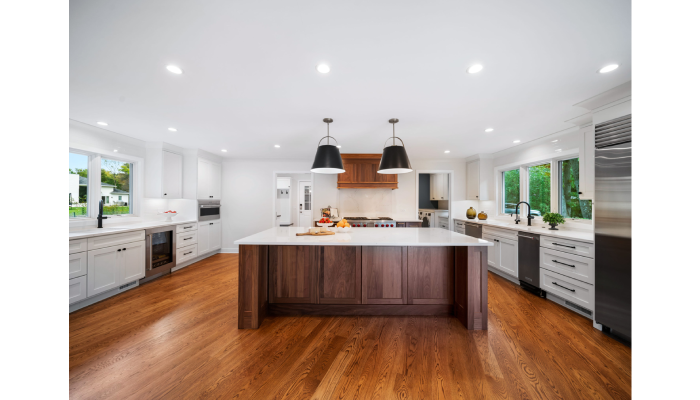
Choosing interior colours for a Florida style home means embracing light, airy tones that reflect the state’s bright, outdoor environment. Soft whites and creams work well as a clean, versatile backdrop, allowing furnishings and décor to stand out without overwhelming the space. To evoke a coastal atmosphere, cool blues and greens inspired by the ocean and palm trees bring a soothing, relaxed vibe indoors. In common living areas, sunny yellows and pale pinks add cheerful, uplifting notes, making the rooms feel warm and inviting without being too bold. For a modern touch, warm greys offer a neutral base that pairs easily with accent colours and provides subtle sophistication.
In bedrooms, natural, earthy tones promote a restful atmosphere, helping to create a calm retreat from the day’s heat and activity. Accent walls in soft terracotta or muted coral add warmth and depth to rooms without dominating the overall palette. It is also wise to opt for paint with low or zero VOCs to maintain better indoor air quality, especially given Florida’s humid climate. Reflective or satin paint finishes help bounce natural light around rooms, keeping interiors bright and fresh throughout the day.
Finally, to maintain harmony throughout the home, interior colours should complement exterior palettes. For example, pairing coastal-inspired exterior shades like seafoam green or soft peach with interior blues, creams, and warm greys creates a cohesive and inviting flow from outside to inside.
2025 Colour Trends for Florida Homes
The 2025 colour trends for Florida homes embrace a “Natural Beauty” palette that draws inspiration from the state’s unique environment, blending earth and coastal tones. Whites with a slight warmth, such as Slightly Hued or Freshened-Up, are popular for adding brightness without losing subtle depth. Greige and soft grey shades like Coastal Driftwood and Winter Air provide versatile, calming neutrals that suit many home styles. For those wanting a coastal or contemporary feel, blues with green undertones such as Artifact and Midnight Surf work well, offering a fresh yet sophisticated look. Soft greens with hints of yellow and ochre, including Foliage and Haven, bring the vibrancy of Florida’s lush greenery indoors and out. Accent colours like deep navy (Deep Plunge) and warm terracotta (Moscow Mule) add a touch of warmth and elegance, while darker accents such as Rum Cherry and Coal Black can be used sparingly to create depth and contrast. These colours are adaptable across different architectural styles, from Mediterranean to modern, maintaining a timeless appeal. The trend focuses on sustainability and natural inspiration, favouring understated elegance over bold statements. Combining these current shades with classic tones results in a balanced and fresh appearance that complements Florida’s sunshine and landscape.
Best Time to Paint and Maintain Your Florida Home
The ideal period to paint your Florida home is between October and April, when the weather tends to be drier and cooler. Painting during these months allows paint to dry properly and adhere well, avoiding the issues caused by high heat and humidity common in summer. Attempting to paint in peak summer can result in bubbling, peeling, or uneven finishes due to rapid drying and moisture interference. Exterior paint in Florida typically lasts between 5 to 10 years, but this depends greatly on the quality of the paint used, the level of sun exposure, and how well the surface is maintained. Regular inspections are key to spotting early signs of peeling, cracking, or mildew, which can be addressed with timely repairs to prevent more extensive damage. Before repainting, thoroughly cleaning the exterior surface is essential to improve paint adhesion and achieve a smooth finish. Touch-ups are a practical way to extend the life of your paintwork and keep your home looking fresh between full repaint jobs. Employing professional painters who understand the Florida climate can ensure that the paint is applied correctly with the right techniques and products. Keeping gutters and drainage systems clear helps prevent water damage that can undermine painted surfaces. Selecting satin or semi-gloss paint finishes is advisable as these resist moisture and dirt better, contributing to longer-lasting, cleaner exteriors. Seasonal maintenance such as washing the exterior and treating mildew supports the overall durability of the paint and preserves your home’s appearance over time.
Resource URL:
https://www.aklarch.com/florida-rebuild
https://en.wikipedia.org/wiki/Housing_in_Florida

Roderick Smith is a writer, blogger, and business owner. He has been writing for over 5 years and his blog naouelmoha.net offers valuable information about the business, health, law, and the latest technology. Roderick lives in Nashville with his wife and three children.