
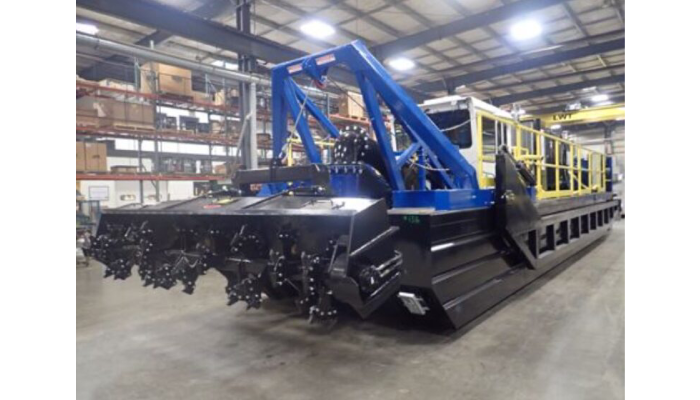
How Much Does an Auger Dredge Cost?
Auger dredge costs can vary quite a bit depending on factors like size, engine power, build year, and included equipment. Smaller or older models might be priced between $50,000 and $80,000, while mid-range options generally fall in the $150,000 to $300,000 range. Large or more powerful dredges can go upwards of $700,000 or even exceed a million dollars for specialized units with advanced features. Buyers should also consider additional expenses such as dredge pipe costs (ranging from about $5 to $22 per foot), booster pumps that may add tens of thousands extra, and support barges if needed. Overall, selecting the right model depends on project needs and long-term maintenance expectations.
Auger Dredge Price Range Overview
Auger dredge prices can vary widely based on several key factors including size, engine power, build year, condition, and the equipment included. For smaller to medium-sized dredges, especially older or less powerful models, prices typically start between $50,000 and $80,000. Moving up, mid-range auger dredges with moderate capacity and newer engines usually fall in the $150,000 to $300,000 range. Larger or high-capacity dredges can cost anywhere from $300,000 to $700,000 or more, while specialized or heavy-duty dredges with advanced features and high horsepower engines may push beyond the $1,000,000 mark. For example, a 10” IMS 4010 dredge from 2008 is listed around $110,000, while a Mudcat MC2000 with a 24” auger is priced between $60,000 and $70,000. Newer models like the 8” Mud Cat 115D from 2020 typically cost about $240,000 to $250,000. Used cutterhead dredges can also vary, with a 12” x 10” 1984 model available near $150,000, and top-condition cutterhead dredges like a 14” x 12” AAMCO going for close to $475,000. These price ranges reflect differences in dredging depth, horsepower, and included equipment, making it important to match the dredge’s specs with project requirements to get an accurate estimate.

Key Factors That Affect Auger Dredge Cost
Several key factors influence the cost of an auger dredge, starting with size and digging depth. Larger dredges designed to reach greater depths require more powerful engines and bigger pumps, which naturally drive up the price. The engine type also plays a significant role: newer EPA-compliant engines, such as Tier 3 or Tier 4 models, increase upfront costs but improve emissions and fuel efficiency. Pump capacity and type affect cost as well, since pumps with higher flow rates and pressure come at a premium. The build year and condition matter too; brand-new or refurbished dredges typically cost more than older, used ones that may need maintenance or upgrades. Additional equipment like booster pumps, dredge pipes, barges, spuds, and winches add to the total expense, depending on project needs. Self-propelled dredges include propulsion systems like Starwheel Drives, which raise the price but can reduce labor and setup costs over time. Materials used for the hull and components impact cost, with corrosion-resistant options costing more initially but lowering maintenance over the dredge’s life. Special features such as anti-clogging systems, GPS dredging, patented cutterheads, and dual-function capabilities also increase the price but can enhance performance. Project-specific factors like soil type, turbidity control, pipeline length, and discharge elevation influence dredge configuration and overall cost. Finally, the manufacturer’s reputation, warranty, and aftermarket support can affect the dredge’s value and long-term expenses, making them important considerations in the purchase decision.
- Size and digging depth are major cost drivers: bigger dredges with deeper reach need stronger engines and larger pumps.
- Engine type matters: newer EPA-compliant engines (Tier 3 or Tier 4) add to price but offer better emissions and efficiency.
- Pump capacity and type influence cost, as larger pumps with higher flow and pressure are pricier.
- Build year and condition impact price: brand-new or refurbished dredges cost more than older, used units.
- Additional equipment such as booster pumps, dredge pipes, barges, spuds, and winches increase overall cost.
- Self-propelled dredges include propulsion systems like Starwheel Drive, raising price but lowering labor and setup expenses.
- Hull and component materials affect cost, with corrosion-resistant materials increasing initial price but reducing upkeep.
- Special features like anti-clogging systems, GPS dredging, patented cutterheads, and dual-function capabilities add cost.
- Project-specific factors such as soil type, turbidity control, pipeline length, and discharge elevation shape dredge configuration and cost.
- Manufacturer reputation, warranty, and aftermarket support can indirectly affect value and total cost.
Additional Expenses Beyond the Dredge Price
When budgeting for an auger dredge, it’s important to factor in more than just the base price of the dredge itself. One significant cost is dredge pipe, which varies widely depending on diameter, length, and SDR rating. For example, 8-inch SDR17 HDPE pipe typically costs around $8 per foot, while 12-inch pipe can range from $13 to $22 per foot. These prices can add up quickly, especially for longer pipelines. Booster pumps are another considerable expense, with prices ranging from $40,000 to $200,000 depending on the pump’s size and condition. These pumps are often necessary to maintain consistent slurry flow and reach greater discharge distances.
Additional support equipment like barges or other vessels can easily add $100,000 or more to the total cost, depending on their size and function. These are often required for larger or more complex dredging operations. Ongoing expenses include regular maintenance and spare parts for critical components such as pumps, winches, cutters, and engines. Maintenance is essential to keep the dredge operational and avoid costly downtime.
Operator training is sometimes included in the purchase price, but in many cases, it is an extra cost that buyers should anticipate. Transport and assembly costs also vary: smaller dredges can be transported by a single truck and assembled on site with minimal hassle, while larger dredges may require specialized logistics, increasing costs. Depending on the project location and dredge size, insurance and permitting fees might also be necessary, adding another layer to the budget.
Fuel and operational expenses should not be overlooked, as they contribute significantly to the overall project cost over time. Finally, unexpected repair costs and downtime risks are especially relevant when purchasing used dredges, which might require refurbishment or face parts obsolescence. Planning for these additional expenses ensures a more accurate and realistic budget for dredging projects.
Comparing Auger Dredge Costs with Other Types
Auger dredges generally come at a lower price point than larger cutter suction or amphibious dredges offering similar depth and production capabilities. While cutter suction dredges handle tougher soils better, they often carry higher purchase and maintenance costs. Amphibious dredges provide greater versatility in various terrains but tend to have the highest upfront price. Auger dredges are favored for moderate depth projects with fine material because they balance cost-effectiveness with operational efficiency. They produce less turbidity, which can translate to lower environmental mitigation expenses, an advantage over cutter suction dredges that often stir up more sediment. Additionally, auger dredges create more uniform bottom profiles, a key benefit for sensitive or regulated waterways. Choosing a self-propelled auger dredge increases initial investment but can reduce labor and mobilization costs compared to anchored or cable models, offering savings over time. Buyers opting for used auger dredges may see upfront savings but should be cautious of potential hidden costs in refurbishment and parts replacement. New dredges from ISO-certified manufacturers usually provide better reliability and after-sales support, which can lower overall lifecycle expenses. When comparing costs, it’s important to look beyond the purchase price to include maintenance, fuel consumption, downtime, and environmental compliance, as these factors can significantly affect total project costs.
Market Examples of Auger Dredge Prices in 2024
In 2024, auger dredge prices show a broad range reflecting size, condition, and capabilities. For example, a 10-inch IMS 4010 Auger Dredge from 2008 with a 16-foot dredging depth is listed around $110,000, representing an older but still functional unit. The Mudcat MC2000, equipped with a 24-inch auger and 20-foot depth capacity, is available between $60,000 and $70,000, highlighting options on the lower end for specific projects. Mid-range machines like the IMS Versi-Dredge Model 4010, offering 20-foot depth, are priced near $175,000, balancing performance and newer design. More recent or specialized dredges come at a premium: an 8-inch Horizontal Auger Dredge (2016 VMI model) is listed at about $241,875, while an 8-inch Mud Cat 115D from 2020, with 15-foot depth capacity, ranges from $240,000 to $250,000. Entry-level models such as the 8-inch Mud Cat MC915 are priced between $57,500 and $80,000, catering to smaller-scale operations. Cutterhead dredges, often larger and more complex, command higher prices; for instance, a used 12-inch by 10-inch Cutterhead Dredge from 1984 goes for roughly $150,000, whereas a well-maintained 14-inch by 12-inch AAMCO Cutterhead Dredge can reach $475,000. These examples illustrate the spectrum from entry-level used units to large, well-maintained cutterhead dredges. Transparency in pricing helps buyers align their budget with project needs and equipment condition, offering a clearer picture of what to expect in the current market.
What Buyers Should Consider Before Purchasing?
Before investing in an auger dredge, it’s essential to clearly define your project needs. Consider factors like the required dredging depth, soil type, expected production volume, and discharge conditions. These details will guide you toward the right size and power for your dredge. When deciding between new and used equipment, weigh upfront savings against potential maintenance and refurbishment costs. For example, a used dredge might cost less initially but could require significant repairs down the line. Evaluating the supplier’s experience and reputation is also crucial; ask for references and check whether they offer reliable after-sales support and training. Self-propelled dredges, though pricier upfront, can reduce labor and setup expenses, making them worth considering for long-term savings. Keep in mind that the dredge itself is just part of the total investment. Budget separately for necessary ancillary equipment like dredge pipes, booster pumps, barges, and spuds, which can add substantially to the overall cost. If purchasing used, conduct a thorough inspection of the hull condition, pump wear, hydraulic systems, and maintenance history to avoid hidden issues. Always request detailed quotes that include training, warranty terms, and spare parts availability to understand the full scope of costs. Factor in total lifecycle expenses, such as fuel consumption, repairs, downtime, and transportation fees. Operator training is a key step to ensure safe and efficient dredging operations. Finally, consider local regulations, permits, and environmental requirements since these can influence the choice of equipment and add to the project’s cost.

Roderick Smith is a writer, blogger, and business owner. He has been writing for over 5 years and his blog naouelmoha.net offers valuable information about the business, health, law, and the latest technology. Roderick lives in Nashville with his wife and three children.