
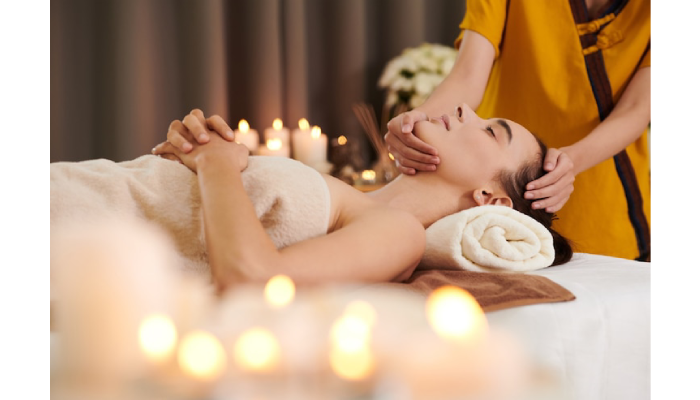
How Massage Therapy in Milton Can Help With Stress?
Massage therapy at Hope Wellness Centre in Milton offers more than just relaxation; it is a medically recognized treatment by Registered Massage Therapists tailored to each person’s posture, stress levels, and pain history. Research shows that massage can reduce cortisol (the main stress hormone) by up to 30%, while boosting serotonin and dopamine, chemicals linked to happiness. This helps calm the nervous system and relieve muscle tension like headaches or neck stiffness caused by stress. Different types of massage in Milton, such as deep tissue or relaxation massage, target specific issues, making it easier for people to manage chronic stress and improve overall well-being naturally.
Massage Therapy Services Available in Milton
At Hope Wellness Centre in Milton, massage therapy is provided by Registered Massage Therapists (RMTs) who follow professional standards to ensure safe and effective care. Each session begins with a thorough assessment, including posture analysis, stress evaluation, and movement patterns, which helps therapists design a treatment tailored to your specific needs. The centre offers a range of therapeutic services aimed at reducing muscle tension, improving blood flow, and balancing the nervous system. Options include myofascial release and trigger point therapy to relieve pain and improve mobility, as well as relaxation massages that help calm anxiety and promote better sleep. Sports massage is also available, supporting athletes with recovery and injury prevention. Sessions typically last from 30 to 60 minutes depending on your treatment goals. Additionally, massage therapy at Hope Wellness is integrated with other services like physiotherapy and chiropractic care, allowing for a holistic approach. Aftercare guidance, such as stretches and posture advice, is provided to help maintain the benefits between visits.
- Hope Wellness Centre in Milton offers massage therapy performed by Registered Massage Therapists (RMTs) who follow professional standards.
- Services focus on therapeutic goals such as reducing muscle tension, improving blood flow, and enhancing nervous system balance.
- Therapists conduct detailed assessments including posture analysis, stress evaluation, and movement patterns before treatment.
- Sessions are customized to each client’s needs with options for various massage styles.
- Appointments typically last between 30 and 60 minutes depending on treatment goals.
- Therapeutic massage services include myofascial release and trigger point therapy to address pain and mobility issues.
- Relaxation massages are provided to calm anxiety and promote better sleep.
- Sports massage is available to support athletes with recovery and injury prevention.
- Massage therapy is integrated with other services like physiotherapy and chiropractic care at the centre for holistic treatment.
- Clients receive aftercare guidance such as stretches, posture advice, and self-care tips to extend benefits.

How Massage Therapy Lowers Stress Hormones?
Massage therapy plays a key role in lowering stress by directly impacting the body’s hormone levels. One of the main ways it helps is by reducing cortisol, the primary stress hormone, by up to 30%. Lower cortisol means the body experiences less physical stress, which helps calm the nervous system. At the same time, massage increases the production of serotonin and dopamine, chemicals that promote feelings of happiness and relaxation. This shift in brain chemistry helps improve mood and reduce anxiety. Additionally, massage triggers the release of endorphins, natural painkillers that not only ease discomfort but also boost emotional well-being. Improved blood flow and lymphatic drainage during massage help clear toxins, which can otherwise contribute to stress. The therapy also stimulates the parasympathetic nervous system, slowing heart rate and encouraging a state of calm. Reduced muscle tension lowers pain signals sent to the brain, breaking the cycle of stress-related discomfort. Regular sessions can lessen headaches and muscle tightness linked to stress, further supporting relaxation. Scientific studies back these effects, confirming that massage balances stress hormones and enhances overall emotional health.
Physical and Mental Benefits of Massage for Stress
Massage therapy promotes deep relaxation by calming the nervous system, which helps reduce feelings of tension and stress. Physically, it eases muscle tightness, relieving common stress-related issues such as headaches, neck stiffness, and back pain. This relief improves mobility, reducing discomfort that can otherwise worsen stress levels. Beyond physical benefits, massage enhances emotional resilience by lowering anxiety and fostering a sense of well-being. Many clients experience better sleep quality after sessions, breaking the cycle of stress and insomnia. Regular massage also decreases burnout and mental exhaustion, supporting mental health by reducing irritability and mood swings linked to chronic stress. The physical comfort gained encourages more active lifestyles, which further lowers stress naturally. By interrupting the physical and emotional feedback loop of stress and pain, massage offers both neurological and physical relief, making it an effective tool to manage everyday stress and improve overall quality of life.
Types of Massage Therapy That Help Reduce Stress
Different types of massage therapy address stress in unique ways depending on the underlying causes. Deep Tissue Massage focuses on tight muscles and scar tissue that often contribute to chronic pain and stress, making it ideal for people with longstanding muscle issues. Therapeutic Massage, which includes techniques like myofascial release and trigger point therapy, targets pain relief and improved movement, helping to reduce stress caused by physical limitations. Sports Massage benefits athletes by speeding recovery and preventing injuries, which can be major sources of frustration and stress. Relaxation Massage uses gentle strokes to calm the nervous system, easing anxiety and promoting better sleep, making it well-suited for those seeking immediate relief from mental tension. Choosing the right type of massage depends on individual stress factors and physical conditions, ensuring the treatment is aligned with the root causes of stress rather than just addressing symptoms.
Signs You Should Try Massage Therapy for Stress
If you often feel overwhelmed by chronic stress or burnout, massage therapy might offer the relief you need. Physical signs like tension headaches, tight neck muscles, or recurring muscle soreness that doesn’t improve with rest are clear indicators that massage could help ease your discomfort. Struggling with limited movement or muscle stiffness that interferes with daily activities also suggests it’s time to consider treatment. Sleep problems linked to stress or physical discomfort often improve after massage sessions, thanks to the therapy’s calming and relaxing effects. People experiencing anxiety, mood swings, or stress-related symptoms such as jaw clenching and shoulder tightness may find massage particularly beneficial for soothing the nervous system. Lifestyle factors play a role too, those with sedentary jobs or physically demanding routines often need regular muscle care to prevent tension buildup. Athletes and active individuals use massage therapy to manage stress from training, promote faster recovery, and reduce injury risk. Even if you’re not currently in pain, massage can be a proactive way to maintain muscle health and manage stress before it becomes a bigger issue.
Hope Wellness Centre’s Personalized Massage Approach
Hope Wellness Centre in Milton takes a personalized approach to massage therapy, beginning with a thorough assessment that looks at posture, pain history, and stress levels. This helps therapists tailor treatment plans specifically to each client’s body needs and stress profile, ensuring the therapy is both effective and relevant. The centre fosters a calm, private environment where clients can feel comfortable and relaxed, which supports deeper stress relief during sessions. Therapists work closely with physiotherapists, chiropractors, and acupuncturists to provide comprehensive care, addressing stress from multiple angles. Progress is regularly monitored, and treatment plans are adjusted as needed to optimize results over time. Clients also receive guidance on self-care and techniques to maintain the benefits between visits. The approach emphasizes respectful and attentive care, recognizing that stress affects both the body and emotions. Using evidence-based methods supported by current research, Hope Wellness Centre focuses on long-term wellness rather than just temporary relief, making each massage session a meaningful step toward improved health and reduced stress.
Real Client Stories from Milton
Clients in Milton have shared meaningful experiences that highlight how massage therapy has helped them manage stress and improve their well-being. One client found significant relief from persistent neck pain and tension headaches after several sessions, which also led to better sleep quality, a common challenge for those dealing with stress-related insomnia. An active runner noted faster recovery times and fewer injuries since beginning regular massage therapy, which improved flexibility and mobility important for physical activity. Many clients report feeling less anxious and more relaxed in their daily lives, with some emphasizing the benefit of combining massage with other therapies offered at Hope Wellness Centre. Positive shifts in mood and emotional resilience are frequently mentioned, alongside increased awareness of body posture and movement habits. Clients appreciate the personalized care and attention they receive during sessions, which supports both their physical health and stress management in practical, lasting ways.
What Happens During a Massage Appointment?
A massage appointment in Milton typically starts with a consultation where the therapist asks about your pain points, lifestyle, and wellness goals. This helps them understand your unique needs and any stress-related issues you may be facing. Next, a physical assessment is done to evaluate areas of tension, posture, and range of motion, giving a clear picture of where stress has built up in your body. Based on these findings, the therapist creates a customized treatment plan tailored specifically for you. During the session, various hands-on techniques are applied to target tight muscle groups and stress spots, with pressure and methods adjusted according to your comfort. Sessions usually last between 30 and 60 minutes, depending on what you need. After the massage, you’ll receive practical advice on aftercare, such as stretches, using heat or cold therapy, and posture tips to help maintain the benefits. Therapists may also teach simple self-massage techniques or relaxation exercises to support your ongoing stress management. Throughout the appointment, you’re encouraged to provide feedback to ensure the treatment is effective and comfortable. The session concludes with a review of your progress and recommendations for future visits to keep stress levels in check and promote overall well-being.
Insurance Coverage and Massage Frequency
Registered Massage Therapy services at Hope Wellness Centre are often covered by many health insurance plans, which helps make regular treatments more affordable. Clients receive detailed receipts for insurance reimbursement, so finances don’t have to be a barrier to consistent care. The recommended frequency of massage sessions varies depending on each person’s unique condition and stress levels. Some individuals find that weekly sessions are beneficial during times of acute stress or muscle pain, while others prefer monthly or bi-monthly visits to maintain muscle health and manage ongoing stress. Insurance coverage can influence how often clients schedule appointments and the overall length of their treatment plans. Therapists at Hope Wellness Centre work closely with clients to balance their health goals with financial considerations, ensuring the best possible outcome within coverage limits. Regular maintenance massages are encouraged to prevent stress buildup and recurring discomfort. Since insurance policies differ widely, clients are advised to review their specific benefits carefully. The staff at Hope Wellness Centre also assist with insurance questions and help manage paperwork, making the process smoother and less stressful.
Scientific Findings on Massage and Stress Reduction
Scientific studies have shown that massage therapy plays a significant role in reducing stress by directly affecting the body’s chemical and physiological responses. One key finding is that massage lowers cortisol levels, the hormone primarily responsible for stress, by up to 30%, which helps improve mood and promote relaxation. Alongside this, massage boosts serotonin and dopamine production, two neurotransmitters closely linked to feelings of happiness and calm. Additionally, the therapy triggers the release of endorphins, the body’s natural painkillers, which not only ease physical discomfort but also reduce anxiety. Improved blood circulation and lymphatic flow from massage help the body detoxify and decrease physical signs of stress, such as muscle tension and inflammation. Research also reveals that regular massage can reduce the frequency of chronic pain by as much as 60%, which significantly lowers the stress caused by ongoing discomfort. Beyond pain relief, massage influences vital stress markers like heart rate and blood pressure, helping balance the nervous system and promote overall well-being. Workplace studies have demonstrated that massage therapy effectively reduces occupational stress and anxiety, while people with anxiety disorders experience increased emotional resilience through regular treatment. Scientific evidence also supports massage as a complementary therapy for mental health conditions, including depression, highlighting its role in improving emotional health by calming the nervous system and enhancing mood stability.
Resource URL:
https://en.wikipedia.org/wiki/Medical_massage

Roderick Smith is a writer, blogger, and business owner. He has been writing for over 5 years and his blog naouelmoha.net offers valuable information about the business, health, law, and the latest technology. Roderick lives in Nashville with his wife and three children.