
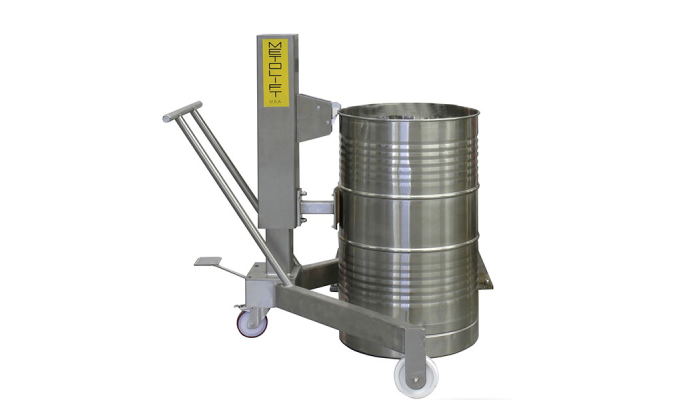
How Drum Handling Equipment Can Save Time?
Drum handling equipment helps save a significant amount of time in industrial environments by making the movement and management of heavy drums easier and faster. Instead of relying on slow, manual labor that requires multiple workers, machines like drum lifters, dollies, and stackers speed up tasks such as lifting, transporting, rotating, and stacking. This reduces the number of handling steps and allows one operator to manage several drums quickly. Equipment also cuts down on setup times with quick-lock clamps and fast unloading processes. Besides saving time directly by speeding tasks up, it minimizes accidents which can cause delays. Overall, these tools improve workflow efficiency while reducing labor demands.
What Drum Handling Equipment Does?
Drum handling equipment is designed to make the heavy and often awkward task of working with drums safer and more efficient. It lifts heavy drums to prevent manual strain and reduce injuries, allowing workers to avoid bending or twisting. These tools also move drums horizontally across workspaces with ease, cutting down on the effort needed to transport them. Many devices can rotate or tip drums, which helps with emptying, mixing, or filling without manual handling. In storage areas, drum stackers securely stack drums to save floor space and keep the area organized. During transport, equipment firmly secures drums to prevent spills or accidents. Most drum handling gear integrates smoothly with forklifts, pallet jacks, or conveyors, streamlining the transfer process. Ergonomically, these tools reduce the number of people required to handle a single drum and support safer movements, which cuts down on worker fatigue and injury risks. For example, a drum lifter can raise drums from the floor to a processing station in seconds, while a drum trolley allows quick, controlled movement across a warehouse floor. Overall, this equipment handles drums in a controlled, stable way that reduces damage and downtime, making drum handling quicker and safer throughout various industrial settings.

How Drum Handling Equipment Speeds Up Drum Movement?
Drum handling equipment speeds up drum movement by replacing slow, manual carrying methods with rolling dollies or motorized trolleys that glide drums quickly across floors. Hydraulic lifters raise drums from the ground to workstations or racks in seconds, eliminating the time-consuming effort of manual lifting. Drum clamps and grips lock onto drums securely and release them rapidly, allowing operators to handle drums swiftly without fumbling or delays. Powered handlers reduce physical strain and increase transport speed, enabling a single worker to move multiple drums in sequence efficiently. Drum rotators simplify the task of inverting drums, so operators can flip contents without repositioning the drum manually, saving valuable time. This equipment also cuts down waiting times caused by manual repositioning or accidental spills, as secure handling prevents such interruptions. By optimizing movement paths and combining lifting, moving, and positioning functions, drum handling tools streamline drum travel within production lines, helping maintain a steady workflow and reducing downtime.
Cutting Down Setup and Changeover Time with Equipment
Drum handling equipment is designed to make setup and changeover faster and smoother. Quick-release clamps let operators secure drums quickly before lifting or moving, cutting down what used to be a slow, fiddly process. Drum rotators and tipplers speed up tasks like filling or emptying drums by eliminating the need for manual handling, which reduces downtime between batches. Adjustable equipment easily adapts to different drum sizes and types, so there’s no lengthy reconfiguration needed when switching tasks. Stackers help rearrange drums in storage or staging areas rapidly, streamlining workflow without wasting time. These tools require minimal setup compared to manual methods, and their ergonomic designs along with integrated controls reduce operator prep time. Because there’s less handling involved, the number of steps to switch between tasks or drum batches is lower, which shortens changeover times. Automated features in some equipment reduce pauses during production transitions, while standardized interfaces keep setup speeds consistent across different operators and shifts. Quick equipment adjustments mean downtime between different drum operations is minimized, helping maintain steady productivity throughout the day.
Reducing Labor Effort and Boosting Productivity
Ergonomic drum handling equipment helps reduce physical strain on workers by making it easier to lift and move heavy drums. This means fewer people are needed for tasks that once required multiple operators, allowing one person to handle jobs more efficiently. Powered or automated options cut down the manual force needed, speeding up repetitive tasks and leaving labor available for more valuable work. Because equipment provides smooth control, accidents and injuries are less common, which keeps productivity steady by avoiding downtime. Workers also experience less fatigue, so they can maintain a consistent pace with fewer breaks. Consistent, careful handling reduces drum damage and errors, cutting down on material waste and the need for rework. Faster drum movement and stacking increase throughput in production or storage areas, leading to labor cost savings through quicker task completion and a smaller workforce requirement. For example, a single operator using a drum stacker can move and organize drums in a fraction of the time it would take manually, freeing up time and energy across the operation.
Improving Workflow with Drum Handling Tools
Drum handling equipment plays a key role in streamlining workflow by ensuring a steady flow of materials without delays caused by slow manual handling. These tools fit well into automated or semi-automated production lines, helping maintain continuous supply and supporting just-in-time inventory strategies through faster drum transport and storage. By simplifying the movement of drums between storage, processing, and shipping areas, they reduce the number of steps needed to receive, process, and dispatch materials. This not only speeds up operations but also improves coordination across different departments. Efficient stacking and storage options provided by drum stackers, for example, help maximize space use, making warehouses less cluttered and easier to manage. The flexibility of these tools allows quick responses to changing production demands, while compatibility with other material handling equipment ensures a smooth, integrated workflow. Standardizing drum handling times enhances predictability and scheduling, reducing downtime caused by unforeseen delays. Overall, drum handling equipment creates a more organized and responsive work environment that saves valuable time throughout the production cycle.
Fewer Steps for More Efficient Drum Handling
Drum handling equipment streamlines operations by combining lifting, moving, and positioning into single units, which cuts down the number of steps needed to handle drums. For example, drum stackers can lift and place drums directly into storage locations without intermediate repositioning or restacking, saving valuable time. Devices like rotators and tipplers eliminate the manual effort of tilting or pouring drums, while drum dollies and rollers allow drums to be rolled directly instead of carried or dragged, reducing physical strain and speeding up movement. Quick attachment and release mechanisms further simplify the process, allowing operators to secure and release drums swiftly. Ergonomic designs reduce operator discomfort, minimizing the need for repositioning and thus keeping tasks moving smoothly. Automated features and integrated controls allow seamless transitions between different handling phases, cutting down repeated manual interventions. Altogether, these efficiencies reduce task switching and errors, leading to faster, safer drum handling workflows that save both time and effort.
Speeding Up Loading and Unloading Processes
Drum handling equipment significantly speeds up loading and unloading by securely locking drums with clamps and grips for quick forklift pickup and release. Hydraulic lifters raise drums rapidly to vehicle height, minimizing the time spent aligning and positioning loads. Powered trolleys move drums swiftly between warehouses and transport areas, reducing manual effort and delays. Rotators allow operators to empty or fill drums directly at loading docks without the need for repositioning, cutting down wait times. Stackers help organize drums efficiently, making retrieval and shipment faster by reducing search and handling time. Ergonomic controls let operators work more quickly and with less fatigue, while fewer handling steps lower the overall time needed per drum transfer. This streamlined process avoids bottlenecks during busy loading periods and reduces the risk of spills or damage, which can cause cleanup delays and downtime. Together, these features create a smoother, faster workflow that saves valuable time in industrial drum handling operations.
How Safer Equipment Saves Time on the Job?
Using safer drum handling equipment directly saves time by reducing accidents that lead to work stoppages and lengthy investigations. When workers are protected from injuries, absenteeism drops, keeping operations running smoothly without unexpected delays. Equipment designed for stability helps prevent spills, which otherwise require time-consuming cleanups before work can continue. Meeting safety regulations also avoids costly shutdowns or fines that disrupt schedules. Ergonomic features reduce operator fatigue, allowing workers to maintain steady productivity throughout their shifts. Safer tools need less supervision and fewer corrective actions, freeing up management resources. By preventing damage to drums and their contents, the risk of rework or wasted materials is minimized, saving valuable time. Operators feel more confident with reliable, well-tested equipment, which reduces hesitation and speeds up handling tasks. Proper training on these safe tools ensures consistent, efficient use, further cutting down on delays. Altogether, investing in safer drum handling equipment creates a smoother workflow and helps keep projects on track without avoidable interruptions.
Functions of Common Time-Saving Drum Handling Tools
Drum lifters use hydraulic or mechanical systems to raise drums with minimal effort, allowing operators to move heavy drums quickly without strain. Drum dollies and rollers enable smooth horizontal movement, reducing friction and making it easier to reposition drums within a workspace. For tasks that require inverting drums to empty or mix contents, drum rotators and tipplers provide a safe and fast solution, eliminating the need for manual tipping. Drum stackers improve efficiency in storage by lifting and organizing drums rapidly, maximizing warehouse space and speeding up retrieval. Drum clamps and grips secure drums tightly and can be attached or released quickly thanks to quick-release mechanisms, saving valuable time during transport or processing. Powered trolleys automate the movement of drums, cutting down manual labor and allowing a single operator to manage multiple drums effortlessly. Adjustable lifters accommodate various drum sizes and weights, offering versatility and reducing the time needed to switch between different drums. Compatibility with forklifts and pallet jacks further increases handling speed by integrating with existing equipment. Integrated controls on many of these tools provide precise, smooth operation, minimizing jerky movements that can slow down processes or cause accidents. Together, these features ensure that drum handling tasks are performed faster, safer, and with less physical effort.
- Drum lifters use hydraulic or mechanical systems to raise drums easily.
- Drum dollies and rollers enable quick horizontal movement with little friction.
- Drum rotators and tipplers invert drums safely and quickly for emptying or mixing.
- Drum stackers lift and organize drums efficiently in warehouses.
- Drum clamps and grips secure drums fast for transport or processing.
- Powered trolleys automate drum movement, reducing manual labor.
- Adjustable lifters accommodate different drum sizes and weights swiftly.
- Quick-release mechanisms speed up the attachment and detachment of drums.
- Compatibility with forklifts and pallet jacks enhances handling speed.
- Integrated controls allow precise, smooth handling operations.
Industry Data on Time and Cost Savings
Industry studies show that drum handling equipment can reduce the time spent on drum handling tasks by 40 to 70 percent compared to manual methods. This significant time reduction translates directly into labor cost savings of up to 30 percent, as fewer workers are needed and tasks are completed faster. With streamlined drum transport, production lines experience fewer bottlenecks, which boosts overall throughput and operational efficiency. Safety improvements also play a key role: accident rates drop, cutting down injury-related downtime and lowering compensation expenses. These factors combined allow companies to recoup their equipment investments in just a few months through labor savings alone. Consistent and gentle handling reduces damage to drums and spills, minimizing waste and cleanup time. Faster changeovers enabled by equipment like drum rotators increase uptime and add flexibility to production schedules. Compliance with safety standards avoids costly fines or shutdowns, while operator training ensures equipment use is optimized for maximum efficiency. Regular maintenance keeps the equipment reliable and prevents unexpected breakdowns, further protecting time and cost savings.

Roderick Smith is a writer, blogger, and business owner. He has been writing for over 5 years and his blog naouelmoha.net offers valuable information about the business, health, law, and the latest technology. Roderick lives in Nashville with his wife and three children.