
How A Hydraulic Dredge Boosts Lake And Canal Restoration?
Water bodies like lakes and canals play an essential role in maintaining ecological balance, providing recreational space, supporting biodiversity, and facilitating water transport. However, over time, these water systems often face degradation due to sediment accumulation, pollution, and invasive plant growth. One of the most efficient tools used to counter this decline and restore such environments is the hydraulic dredge. This article explores how hydraulic dredging works, its advantages, and why it’s vital in restoring the health and functionality of lakes and canals.
What Is a Hydraulic Dredge?
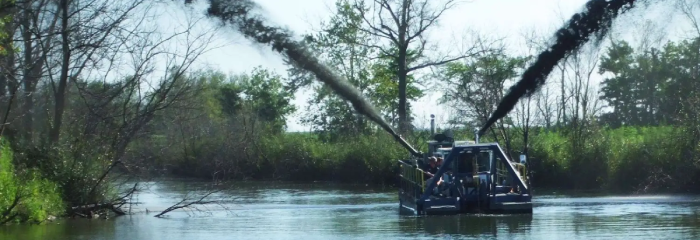
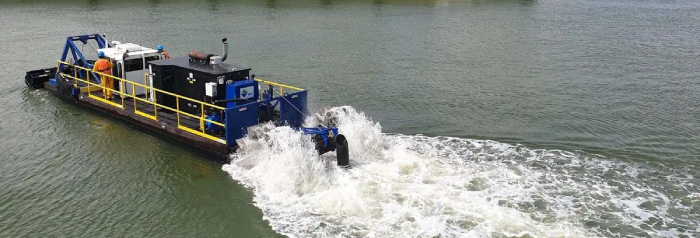
A hydraulic dredge is a specialized piece of equipment that removes sediment, sludge, and debris from the bottom of lakes, canals, rivers, and reservoirs. Unlike mechanical dredging, which uses clamshells or buckets, hydraulic dredging uses powerful suction to extract material in a liquid slurry form and pump it through pipelines to designated disposal or processing areas.
The system primarily consists of a cutterhead or suction inlet, a pipeline system, and a pump. This process is continuous and highly effective in removing soft sediments such as silt, clay, and organic matter.
The Need for Lake and Canal Restoration
Before diving into how a hydraulic dredge helps, it’s essential to understand why lakes and canals require restoration in the first place:
1. Sediment Accumulation
Over time, sediments accumulate on the bed of water bodies due to soil erosion, stormwater runoff, and decaying organic matter. This buildup reduces water depth, alters flow patterns, and decreases water quality.
2. Eutrophication
Nutrient-rich sediments can promote the overgrowth of algae and aquatic weeds. This phenomenon, known as eutrophication, can deplete oxygen levels and harm aquatic life.
3. Navigation Impairment
Canals are often used for transportation or recreational boating. Sediment accumulation makes navigation difficult or impossible, leading to economic and logistical challenges.
4. Flood Risk
A clogged lake or canal can significantly reduce water storage capacity and increase the risk of flooding during heavy rainfall or snowmelt.
How a Hydraulic Dredge Works in Restoration?
1. Efficient Sediment Removal
A hydraulic dredge is ideally suited for removing large volumes of soft, fine sediment efficiently. It creates a slurry by mixing sediment with water, which is then pumped to a remote disposal site. This method is less disruptive to aquatic life and more environmentally friendly than mechanical dredging.
2. Precision Dredging
Hydraulic dredges are highly maneuverable and can target specific areas needing restoration. This precision is particularly useful in canals with confined spaces or lakes with sensitive ecological zones.
3. Continuous Operation
Unlike mechanical dredging, which often involves stop-and-go operations, hydraulic dredging is a continuous process. This speeds up the project timeline and minimizes disruption to surrounding areas.
4. Transport Versatility
Hydraulic dredges can pump sediment over long distances through pipelines, making it easier to move material to remote containment areas or reuse it for land reclamation or agriculture.
Key Benefits of Using a Hydraulic Dredge for Restoration
1. Improved Water Quality
By removing nutrient-laden sediments and pollutants, hydraulic dredging improves water clarity and reduces the potential for harmful algal blooms. This, in turn, benefits fish populations and overall aquatic health.
2. Restored Depth and Flow
Removing accumulated sediment restores the original depth and flow patterns of the lake or canal. This improves navigation, increases water retention capacity, and reduces flood risk.
3. Ecosystem Rehabilitation
Dredging helps revive aquatic ecosystems by creating favorable conditions for fish spawning, plant growth, and invertebrate colonization. It re-establishes natural habitats that may have been buried under sediment layers.
4. Extended Lifespan of Infrastructure
For canals used in agriculture or water supply, sedimentation can clog intakes and reduce capacity. A hydraulic dredge helps maintain these functions, extending the useful life of associated infrastructure like dams, locks, and water treatment facilities.
5. Economic and Recreational Benefits
Restored lakes and canals often experience a resurgence in recreational activities like fishing, boating, and tourism. This, in turn, boosts local economies and property values in the surrounding areas.
Environmental Considerations and Best Practices
While a hydraulic dredge is a powerful tool for restoration, it must be used with careful planning to minimize environmental impact. Some best practices include:
1. Pre-Dredging Assessment
Before dredging begins, a comprehensive environmental assessment should be carried out. This includes analyzing sediment composition, identifying sensitive habitats, and determining the optimal dredging depth.
2. Sediment Containment
Dredged materials are often pumped into geotextile tubes or settling ponds to allow water to drain and sediment to solidify. This helps prevent re-contamination and facilitates safe disposal or reuse.
3. Water Quality Monitoring
Ongoing monitoring of turbidity and dissolved oxygen levels ensures that dredging does not negatively affect aquatic life or drinking water sources.
4. Timing the Dredging
Scheduling dredging during low ecological activity seasons—like late fall or early winter—can minimize disruption to wildlife.
Applications Beyond Restoration
In addition to ecological restoration, hydraulic dredges are used in a variety of settings, including:
- Marina maintenance
- Port and harbor deepening
- Reservoir management
- Mining operations (e.g., sand and gravel extraction)
- Wetland creation and expansion
Their versatility makes them a valuable asset for both environmental and commercial projects.
Conclusion
The use of a hydraulic dredge in lake and canal restoration offers a highly efficient, environmentally responsible solution to sediment-related problems. From improving water quality and depth to enhancing biodiversity and navigation, hydraulic dredging is a cornerstone of modern aquatic restoration efforts. As climate change and human activity continue to impact water bodies, the demand for smart, sustainable dredging solutions will only increase. For communities and organizations looking to restore their lakes and canals, investing in hydraulic dredging is not just a practical choice it’s an ecological imperative.

Roderick Smith is a writer, blogger, and business owner. He has been writing for over 5 years and his blog naouelmoha.net offers valuable information about the business, health, law, and the latest technology. Roderick lives in Nashville with his wife and three children.