Can an At Home Sleep Apnea Test Replace a Doctor Visit?
At-home sleep apnea tests (HSAT) offer a convenient and affordable way to screen for obstructive sleep apnea, mainly in patients with moderate to severe symptoms and without complicated health issues. These portable devices monitor breathing, oxygen levels, and heart rate while you sleep at home, but they do not capture brain activity or detailed sleep stages like an in-lab polysomnography (PSG) does. Even though HSAT can provide useful initial information, it cannot fully replace a doctor visit. A healthcare provider is necessary for thorough evaluation, proper test interpretation, treatment decisions like CPAP therapy, and follow-up care. For complex cases or unclear results, PSG remains essential to ensure accurate diagnosis and effective management.
What Is an At-Home Sleep Apnea Test (HSAT)?
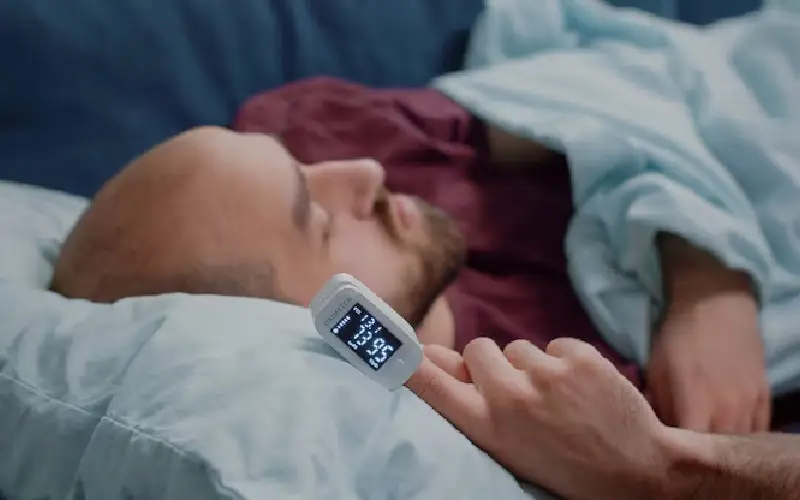
An at-home sleep apnea test (HSAT) is a portable monitoring tool designed to check for obstructive sleep apnea (OSA) outside of a clinical setting. Unlike traditional in-lab polysomnography (PSG), HSAT devices do not record brain activity or sleep stages. Instead, they focus on tracking breathing patterns, airflow, oxygen levels, heart rate, and respiratory effort during a person’s normal sleep at home. Commonly, the equipment includes a nasal cannula to measure airflow, a pulse oximeter for oxygen saturation, and belts around the chest to detect breathing effort. Because patients use HSAT in their own beds, the test tends to be more comfortable and convenient, avoiding the unfamiliar environment of a sleep lab. HSAT is prescribed and overseen by qualified sleep specialists who interpret the data to confirm or rule out OSA. The test is most suitable for adults at moderate to high risk for obstructive sleep apnea without significant health complications. Its simpler setup and lower cost, usually a fraction of the price of PSG, make HSAT more accessible. However, its accuracy depends heavily on proper use and patient compliance, as technical issues like sensor dislodgement or nasal congestion can affect results. HSAT primarily detects obstructive events and does not assess other sleep disorders or central sleep apnea, so it is not a catch-all diagnostic tool. Ultimately, while HSAT offers a practical and less expensive alternative for initial screening, it remains part of a clinical process that requires physician involvement for diagnosis and treatment planning.
- HSAT uses portable devices to monitor breathing, airflow, oxygen saturation, heart rate, and respiratory effort during sleep at home.
- It does not record brain waves or sleep stages, unlike in-lab polysomnography (PSG).
- HSAT is prescribed and supervised by qualified physicians, usually sleep specialists.
- The test allows patients to sleep in their usual environment, enhancing comfort and convenience.
- Cost of HSAT is significantly less compared to PSG, often a fraction of the price.
- Devices typically use nasal cannulas, pulse oximeters, and chest belts for data collection.
- HSAT focuses mainly on detecting obstructive sleep apnea, not other sleep disorders.
- Test results require clinical interpretation by a physician to confirm diagnosis.
- HSAT is designed for patients with moderate to high risk of OSA without major health complications.
- The simplicity of HSAT setup makes it accessible but depends on patient compliance and proper use.

How Doctors Diagnose Sleep Apnea Beyond Testing?
Diagnosing sleep apnea is not just about test results; it starts with a thorough clinical evaluation by a doctor. Physicians gather detailed histories that focus on symptoms such as loud snoring, daytime sleepiness, and witnessed breathing pauses during sleep. They also perform physical exams to assess airway structure, neck size, and blood pressure, which can hint at the severity or risk of sleep apnea. Beyond these steps, doctors look at underlying health conditions like hypertension, heart failure, or COPD, since these affect both diagnosis and the choice of sleep study. Risk factors such as obesity, age, sex, and family history are carefully weighed to decide whether a home sleep apnea test (HSAT) or an in-lab polysomnography (PSG) is more suitable. Test outcomes are never interpreted in isolation; physicians integrate them with symptoms and medical background to arrive at an accurate diagnosis. After testing, follow-up visits allow doctors to explain results, discuss treatment options, and educate patients on what to expect. Ongoing medical oversight is crucial to monitor how well treatments work, ensure patient adherence, and adjust care as symptoms change. This comprehensive approach highlights why a doctor’s role remains essential and cannot be replaced by testing alone.
When Is HSAT Recommended According to Guidelines?
Home Sleep Apnea Testing (HSAT) is recommended primarily for uncomplicated adults who show an increased risk of moderate to severe obstructive sleep apnea (OSA). This increased risk is generally identified by the presence of excessive daytime sleepiness along with at least two of the following: loud habitual snoring, witnessed apneas, or hypertension. Clinical guidelines emphasize that HSAT should be ordered and interpreted by board-certified sleep medicine specialists to ensure accurate diagnosis and appropriate care. HSAT is not suitable for patients with complex health conditions such as cardiopulmonary diseases, neuromuscular disorders, or when central sleep apnea or hypoventilation is suspected; these patients require a comprehensive in-lab polysomnography (PSG). If HSAT results come back negative or inconclusive but clinical suspicion remains high, follow-up with an in-lab PSG is recommended rather than repeating the HSAT. This approach helps avoid technical failures and delays in diagnosis. Importantly, HSAT is part of a broader clinical pathway, which includes pre-test evaluation and post-test management, underscoring that clinical assessment remains essential alongside testing. Using HSAT for carefully selected patients aligns with cost-effective care without compromising diagnostic accuracy or patient safety.
Limits of At-Home Sleep Apnea Tests Compared to Lab Studies
While at-home sleep apnea tests (HSAT) offer convenience and lower costs, they have notable limitations compared to in-lab polysomnography (PSG). HSAT devices do not monitor brain activity (EEG), so they cannot detect sleep stages or arousals. This means they miss important details about sleep quality and fragmentation. Additionally, HSAT cannot reliably identify central sleep apnea or hypoventilation syndromes, which require more comprehensive monitoring. The sensitivity of HSAT is lower for mild obstructive sleep apnea (OSA) and other non-obstructive sleep disorders, increasing the chance of missed diagnoses in these cases. Technical problems are common, such as sensor dislodgement or improper device setup, and without a technician present during the test, these issues often go unresolved, leading to incomplete or inaccurate data. Unlike split-night PSG studies, HSAT does not allow for immediate CPAP titration, which delays treatment initiation. Since HSAT typically records only one night, it may miss night-to-night variability in OSA severity. It also cannot detect comorbid sleep disorders that require a full lab evaluation. False negatives are possible, especially if patient conditions like nasal congestion interfere with signal quality. Without thorough patient education on device use, the reliability of HSAT results can further decline. These limitations highlight why HSAT is best suited for selected patients and why lab studies remain essential for a complete and accurate diagnosis in many cases.
Why Some Patients Still Need In-Lab Polysomnography (PSG)
In-lab polysomnography (PSG) remains essential for certain patients because it offers a level of detail and accuracy that at-home sleep apnea tests (HSAT) cannot match. Patients with cardiopulmonary diseases such as heart failure or chronic obstructive pulmonary disease (COPD) require PSG to carefully assess their complex breathing patterns and oxygen levels throughout the night. Similarly, those with neuromuscular disorders or chronic opioid use often have altered respiratory control, making diagnosis more complicated and necessitating the comprehensive monitoring PSG provides. HSAT cannot reliably detect central sleep apnea or hypoventilation, conditions that need PSG’s detailed brain activity and respiratory measurements. When HSAT results are negative or unclear but symptoms persist, a referral for in-lab study ensures no diagnosis is missed. Complex sleep disorders like insomnia, restless legs syndrome, or parasomnias also benefit from PSG because it tracks brain waves, limb movements, and cardiac rhythms, helping differentiate these conditions from sleep apnea. In-lab PSG also allows for split-night studies, where diagnosis and continuous positive airway pressure (CPAP) titration happen in one session, something HSAT devices cannot do. Some patients struggle to use HSAT devices properly, leading to frequent technical failures; for them, supervised PSG provides more reliable results. Finally, PSG gives objective data on sleep architecture, such as sleep stages and arousals, which is important for certain diagnoses. Repeat PSG testing is often needed when clinical suspicion remains high despite previous negative results, reinforcing its role as the gold standard in complex or uncertain cases.
How Accurate Are At-Home Tests for Sleep Apnea?
At-home sleep apnea tests (HSAT) show good accuracy in detecting moderate to severe obstructive sleep apnea (OSA), with about 80% to 90% agreement compared to the gold standard in-lab polysomnography (PSG). However, their accuracy declines when it comes to mild OSA or when other sleep disorders are involved. One key limitation is that HSAT devices do not measure sleep time directly, which can lead to an underestimation of the apnea-hypopnea index (AHI), the main measure used to diagnose OSA severity. Factors like poor sensor placement, nasal congestion, or other disruptions during the night can cause false negatives, meaning the test might miss cases of OSA. Additionally, HSAT cannot detect central sleep apnea events or hypoventilation, which restricts its ability to identify more complex breathing problems during sleep. Since HSAT is typically done for one night only, it may not capture the night-to-night variability often seen with sleep apnea. While multiple-night testing could improve accuracy, it is not commonly performed with HSAT. Because home test conditions vary and lack technician oversight, the quality and reliability of the data can be affected. Clinicians who interpret HSAT results take these limitations into account and combine test findings with the patient’s symptoms and risk factors to avoid misdiagnosis. For most uncomplicated patients who have a moderate to high pre-test probability of OSA, HSAT offers sufficient accuracy to guide diagnosis and treatment decisions.
Patient Views on At-Home Testing Versus Lab Studies
Many patients appreciate the comfort and convenience of at-home sleep apnea tests (HSAT). Being able to sleep in their own bed without the disruption of a clinical environment often leads to a more natural night’s sleep, which patients find appealing. The lower cost and ease of scheduling HSAT also attract those with busy lives or mobility challenges. However, not all patients feel confident about HSAT accuracy. Some express doubts about whether the device can capture the full picture compared to an in-lab polysomnography (PSG), which they believe offers a more thorough evaluation. Anxiety about unfamiliar lab settings makes a portion of patients avoid PSG altogether, preferring the privacy of home testing. On the other hand, telemedicine models that allow direct ordering of HSAT online raise concerns among patients about the quality of care and lack of personalized physician involvement. Clear instructions and proper education on how to use the HSAT device are crucial, as some find attaching sensors without professional help confusing or intimidating. Patients also value timely access to testing with HSAT, often avoiding long wait times typical for lab appointments. Trust in their physician’s guidance plays a key role in choosing between HSAT and PSG, with many feeling more comfortable when a sleep specialist oversees the process. Finally, thorough follow-up and clear communication of results after HSAT significantly affect patient satisfaction, helping them feel supported throughout diagnosis and treatment.
Risks of Relying on Telemedicine for Sleep Apnea Testing
Using telemedicine to order and manage home sleep apnea tests (HSAT) can introduce several risks that may affect diagnosis and care quality. Without an in-person clinical evaluation, important aspects like a physical exam are missed, potentially overlooking other health issues or alternative causes of symptoms. Remote supervision also increases the chance that patients might use the testing device incorrectly, leading to technical errors and unreliable results. Additionally, patient education tends to be less thorough via telemedicine, which can reduce the test’s accuracy and the overall success of the diagnosis. Follow-up care after HSAT results may be delayed or insufficient if not properly coordinated, and many telemedicine platforms do not guarantee that a sleep specialist is involved in interpreting the data. This lack of specialist oversight can lead to missed or delayed diagnoses, especially in complex cases or when symptoms do not fit typical patterns. Telemedicine also has limitations in managing patients with other medical conditions or unusual sleep complaints that require detailed in-person assessment. Beyond clinical concerns, there are also patient privacy and data security issues associated with online testing services. To reach the diagnostic accuracy and safety of traditional in-person evaluations, telemedicine for sleep apnea testing must adhere to strict protocols and involve expert clinicians throughout the process.
What Randomized Trials Say About HSAT Versus PSG
Randomized controlled trials (RCTs) comparing home sleep apnea testing (HSAT) to in-lab polysomnography (PSG) have found largely similar clinical outcomes for patients diagnosed and treated through either method. Measures such as reductions in daytime sleepiness and improvements in quality of life show no significant differences between the two diagnostic pathways. CPAP adherence rates also appear comparable, suggesting that starting treatment based on HSAT results does not negatively impact long-term use. Importantly, these trials highlight that HSAT can reduce costs and improve access to diagnosis, especially for patients without complex medical conditions, without compromising the effectiveness of treatment. However, patient selection is critical: HSAT has proven reliable in diagnosing moderate to severe obstructive sleep apnea (OSA) in uncomplicated adults, but negative HSAT results in symptomatic patients require follow-up PSG to avoid missed diagnoses. The trials reinforce existing guideline recommendations that restrict HSAT use to appropriate populations and emphasize the need for careful clinical oversight and follow-up care. Some studies also note that technician support or patient education can optimize HSAT data quality and minimize technical failures. Additionally, home testing reduces wait times for diagnosis and treatment initiation, which can positively affect patient outcomes. Long-term safety and effectiveness of HSAT, when integrated into comprehensive clinical management, match those of PSG-based pathways. Overall, these RCTs support the role of HSAT as a practical, cost-effective tool within a structured diagnostic framework but not as a standalone replacement for thorough clinical evaluation and in-lab testing when indicated.
Special Cases Where In-Lab Testing Is Necessary
Certain patients require the detailed information provided only by in-lab polysomnography (PSG). For example, individuals suspected of having central sleep apnea need PSG because home tests cannot reliably detect central events or distinguish them from obstructive types. Those with neuromuscular diseases or chronic respiratory failure also benefit from comprehensive monitoring available in a sleep lab, including respiratory effort and oxygen levels throughout the night. Severe insomnia or complex sleep disorders cannot be adequately assessed by home sleep apnea tests (HSAT), which focus mainly on breathing. Split-night PSG is particularly useful in combining diagnosis and CPAP titration in one session, streamlining management for patients needing treatment adjustments. Patients who had a negative HSAT but continue to experience symptoms should undergo PSG for confirmation and to rule out other disorders. Special populations like children, pregnant women, and individuals with multiple health issues generally require in-lab studies because of their complex physiology and higher risk. Those with opioid use or a history of stroke also need detailed evaluation since their breathing patterns and sleep architecture may be affected in ways HSAT cannot detect. In addition to breathing, PSG tracks sleep stages, limb movements, and cardiac arrhythmias, providing a full picture of sleep health. High-risk patients for hypoventilation or nocturnal oxygen desaturation especially need lab testing to guide safe treatment. If initial testing is negative or inconclusive but clinical suspicion remains high, repeat PSG is recommended instead of another home test to ensure accurate diagnosis.
Why A Doctor’s Visit Cannot Be Replaced by HSAT
While at-home sleep apnea tests (HSAT) offer convenience and cost savings, they cannot replace the essential role of a doctor’s visit. A physician conducts a thorough clinical history and physical exam to evaluate symptoms, risk factors, and related health conditions that HSAT devices simply cannot detect. Unlike in-lab studies, HSAT does not measure brain activity or sleep stages, limiting its ability to identify sleep disorders beyond obstructive sleep apnea (OSA). Technical issues during at-home testing, such as sensor dislodgement or nasal congestion, can produce inaccurate results, requiring a doctor’s expertise to interpret and decide if further testing is needed. Physicians determine when HSAT is appropriate and when patients need more comprehensive evaluation with in-lab polysomnography (PSG), especially in complex cases involving heart or lung disease, neuromuscular disorders, or suspected central sleep apnea. Additionally, HSAT cannot initiate treatment during the test night, unlike split-night PSG, so doctors are necessary to review results, prescribe therapies like CPAP, and monitor patient progress over time. Clinical guidelines from the American Academy of Sleep Medicine emphasize that HSAT must be supervised and interpreted by a trained physician, and that negative or inconclusive HSAT results require follow-up with PSG to avoid missed diagnoses. Beyond testing, doctors provide important education on how to use devices, explain treatment options, and guide ongoing care, which cannot be replaced by the test alone. For example, a patient with persistent daytime sleepiness but a negative HSAT needs a doctor’s assessment to determine if another sleep disorder or condition is present. In all, HSAT serves as a useful screening tool within a broader clinical framework, but it does not replace the comprehensive evaluation and personalized management that only a doctor’s visit can provide.
How HSAT Fits Into a Doctor-Supervised Care Pathway
Home Sleep Apnea Testing (HSAT) serves as a practical and cost-effective initial step in diagnosing obstructive sleep apnea for certain adults who show moderate to severe risk. However, its use is not a standalone solution. The process begins with a physician’s thorough evaluation, where symptoms like excessive daytime sleepiness, loud snoring, and high blood pressure are assessed to decide if HSAT is appropriate. Once ordered, the test is supervised by a doctor to ensure the device is used correctly and the data collected, such as breathing patterns, oxygen levels, heart rate, and respiratory effort, is accurately interpreted. If HSAT results suggest sleep apnea, physicians take the lead in crafting treatment plans, often starting with CPAP therapy and arranging necessary follow-ups. In cases where HSAT results are negative, unclear, or technically flawed, doctors recommend a more comprehensive in-lab sleep study (PSG) to avoid missed or incorrect diagnoses. While HSAT increases access to testing and reduces costs, its safe and effective use depends heavily on physician oversight to select suitable candidates, interpret findings carefully, and guide subsequent care. Even with telemedicine options to order HSAT, maintaining medical supervision is essential to prevent inadequate evaluations and poor health outcomes. Physicians combine HSAT results with patient history and clinical judgment to confirm diagnoses and tailor treatments. If an initial HSAT is inadequate, rather than repeating the home test, doctors prefer moving to PSG to ensure a thorough and reliable diagnosis.
Frequently Asked Questions
1. How accurate are at home sleep apnea tests compared to those done at a doctor’s office?
At home sleep apnea tests can be fairly accurate for detecting moderate to severe cases, but they often miss milder forms or other sleep disorders. In-clinic tests typically monitor more variables, giving doctors a clearer and more detailed picture.
2. Can an at home sleep apnea test capture all types of sleep apnea?
Not always. Home tests mainly focus on obstructive sleep apnea and may not detect central sleep apnea or mixed types well. A doctor’s evaluation usually involves a more comprehensive study to identify different types.
3. What are the risks of relying solely on an at home sleep apnea test without consulting a doctor?
Using only a home test can lead to missed diagnoses or misinterpretation of results. Some serious health conditions tied to sleep apnea might go unnoticed, and without doctor guidance, you might not get the proper treatment or follow-up needed.
4. Do at home sleep apnea tests replace the need for professional medical advice and treatment?
While these tests can be a helpful first step, they don’t replace a doctor’s visit. A physician will interpret results in the context of your overall health and may order additional tests or treatments that a home test alone can’t provide.
5. How should someone proceed if their at home sleep apnea test indicates a problem?
If a home test suggests sleep apnea, it’s important to consult a healthcare professional. They can confirm the diagnosis, determine severity, and recommend the best treatment options, which may include in-lab sleep studies and ongoing care.
TL;DR At-home sleep apnea tests (HSAT) offer a convenient, lower-cost way to diagnose moderate to severe obstructive sleep apnea in uncomplicated patients. However, these tests lack the thoroughness of in-lab polysomnography (PSG), which remains the gold standard, especially for complex cases or inconclusive results. Doctor visits are essential for proper evaluation, test interpretation, and treatment follow-up. While HSAT can be part of an effective clinical pathway under a sleep specialist’s guidance, it cannot fully replace the role of a doctor or the depth of in-lab testing in managing sleep apnea.
Resource Url:

Roderick Smith is a writer, blogger, and business owner. He has been writing for over 5 years and his blog naouelmoha.net offers valuable information about the business, health, law, and the latest technology. Roderick lives in Nashville with his wife and three children.