
Exploring the Benefits of Installing Solar Panels
Solar panel installation can be used to generate electricity, heat water, and provide cooling. They can be installed on the roof of a home or business to generate electricity. Solar hot water systems can be used to heat water for domestic and industrial use. This can also be used for cooling in the summer. Using solar energy is an effective way to reduce energy bills. Solar energy is free, so the energy generated from solar panels is essentially free. This means that businesses and homeowners can save money on electricity bills by using solar energy. Solar energy can also reduce carbon emissions, which helps protect the environment.
What Do You Need To Know?
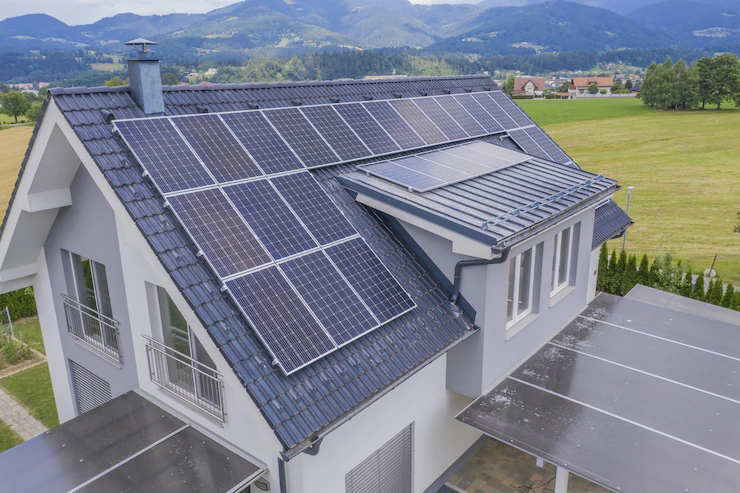
Solar panel installation is an important step in going green. It involves a variety of components, including mounting hardware, wiring, and safety precautions. Knowing what to expect when installing solar panels can help you get the most out of your investment. The first step in installing solar panels is to assess your property and determine the best placement for the solar panel array. This includes considering the amount of direct sunlight your location receives, the angle of the roof, and any nearby obstructions.
Once you’ve chosen the ideal placement, you’ll need to install the mounting hardware. This hardware is designed to secure the panels to the roof and must be installed according to manufacturer specifications. Next, the wiring must be connected. This includes attaching the solar panels to the inverter, which converts the solar power into electricity that can be used in your home. It is important to ensure that all wiring is in compliance with local codes, and is properly grounded and insulated.

What Is a Solar Panel?
A solar panel is a device that captures energy from the sun and converts it into electricity. The most common type of solar panel is made up of photovoltaic cells, which produce electricity when exposed to sunlight. The energy generated by a solar panel can be used to power a variety of different applications, including homes, businesses, and other electrical devices.
Solar panels are composed of several photovoltaic cells that are usually connected in series and mounted onto a metal frame. The cells are made up of a thin layer of silicon, which is then combined with other materials like boron and phosphorus. When sunlight hits the cells, it causes the electrons in the silicon to begin moving, which generates an electric current. This current is then converted into usable electricity.
What Types of Solar Panels are Available?
Solar panels come in a variety of shapes and sizes, and each type of solar panel has its own advantages and disadvantages. The main types of solar panels are polycrystalline, monocrystalline, and thin-film. Each type has its own set of advantages and disadvantages, and the type you choose will depend on your specific needs.
- Polycrystalline Solar panels: They are the most common type of solar panel. They are made up of multiple silicon crystals which are cut into thin wafers. They are the most affordable type of solar panel and can be found in a variety of sizes, shapes, and wattages. The main advantage of polycrystalline solar panels is their cost, but they are not as efficient as other types of solar panels.
- Monocrystalline Solar panels: They are made up of single silicon crystals cut into thin wafers. They are more efficient than polycrystalline solar panels and typically offer higher wattages. However, they are more expensive than polycrystalline solar panels.
- Thin-Film Solar Panels Are the Newest Type of Solar Panel:They consist of a thin layer of photovoltaic material placed on a substrate. They are the most efficient type of solar panel, but also the most expensive. They are also the most flexible and can be used in a wide variety of applications.
No matter which type of solar panel you choose, it is important to do your research and consider the pros and cons of each type. The type of solar panel you choose will depend on your needs, budget, and lifestyle. While all types of solar panels have their own advantages and disadvantages, they all work together to provide an efficient and cost-effective way to produce clean energy.
How To Install a Solar Panel?
Installing a solar panel is a great way to produce your own electricity and reduce your electricity bills. Here are the steps to install a solar panel:
- Choose the right solar panel for your home. Make sure you buy an efficient and reliable panel that’s compatible with your local climate.
- Calculate the size of the panel you need. You’ll need to know the size of the area that receives the most sunlight to determine the size of the panel you need.
- Prepare the location for the installation. Find a location on your roof or in your yard that receives the most sunlight. Make sure the area is free of obstructions, so the panel receives the maximum amount of sunlight.
- Mount the solar panel. Attach the panel to the mounting hardware and secure it in place.
- Connect the wiring. Connect the wiring from the solar panel to the power inverter and the battery.
- Install the power inverter. The power inverter converts the direct current from the solar panel into an alternating current that can be used by your home.
- Connect the solar panel to the battery. This will allow the solar panel to charge the battery when there’s enough sunlight.
- Monitor and maintain the solar panel. Make sure you monitor the solar panel regularly to ensure it’s working properly and perform maintenance as needed.
By following these steps, you can easily install a solar panel in your home and start producing your own electricity. With the right system and regular maintenance, you can enjoy clean, renewable energy for years to come.
Conclusion
The installation of solar panels can be an incredibly rewarding experience. Not only are you helping to reduce your carbon footprint, but you are also helping to prevent your energy costs from increasing. After the installation is complete, it is important to make sure that the system is properly maintained in order to ensure that it is functioning properly and to maximize the efficiency of your solar panel system.
This can be done by regularly checking the system for signs of wear and tear and ensuring that any necessary repairs or replacements are done as soon as possible. Additionally, it is important to make sure that the solar panels are exposed to direct sunlight for optimal efficiency. By following these steps, you can ensure that your solar panel system will provide you with clean, renewable energy for years to come. With the right maintenance and care, you can look forward to a long-term, cost-effective energy solution that will not only help you save money but also help to protect the environment.

Roderick Smith is a writer, blogger, and business owner. He has been writing for over 5 years and his blog naouelmoha.net offers valuable information about the business, health, law, and the latest technology. Roderick lives in Nashville with his wife and three children.