
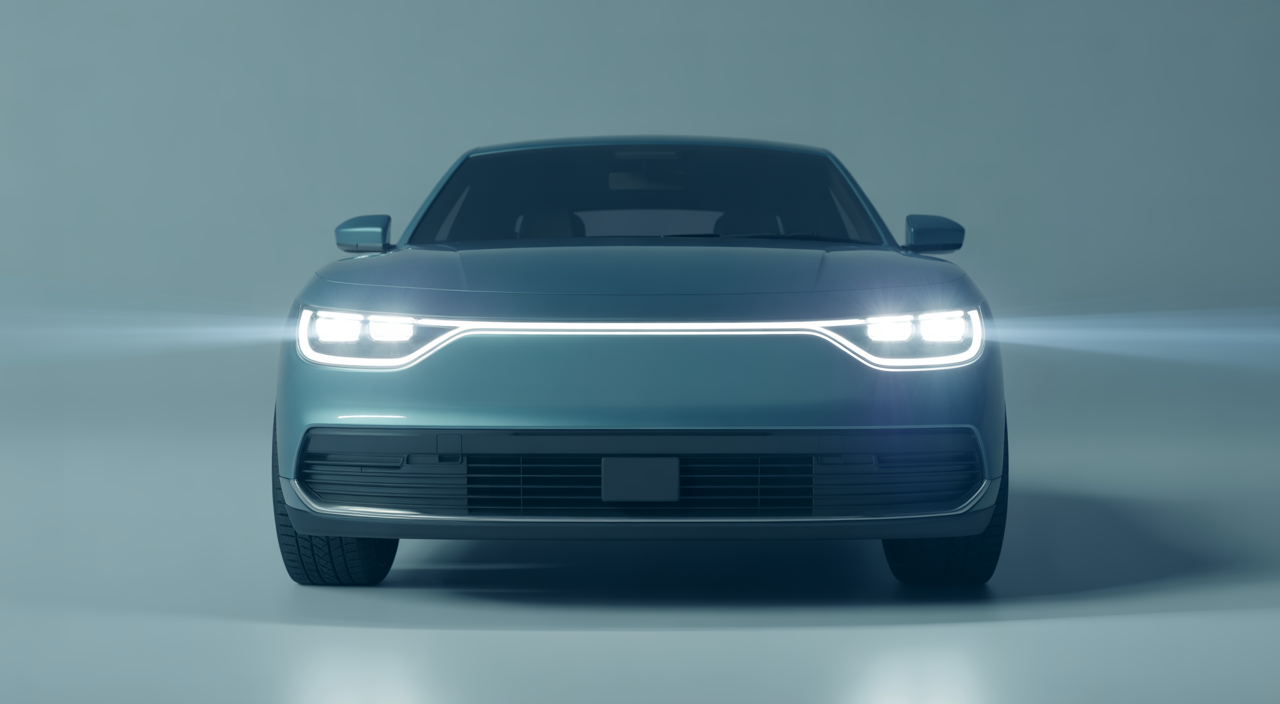
Are LED Lights for Car Upgrades Really Worth It?
Thinking about upgrading to LED lights for your car, but not sure where to start? You are not alone. Many drivers in India today want brighter lights, lower power use, and a stylish look for night drives and highway runs.
Whether you want underglow strips, interior mood lighting, or brighter headlights, choosing the right led lights for car can feel confusing at first. With a simple plan, you can pick safe, long-lasting lights that make your car stand out and still respect your budget and local rules.
This guide walks you through types of LED car lights, how to choose them, basic installation ideas, and smart tips that fit the mindset of Indian buyers who look for value, safety, and style together.
Why LED Lights Are a Smart Upgrade
LED stands for Light Emitting Diode. In simple terms, it is a tiny chip that glows when electricity passes through it. For cars, LEDs are a smart choice because they use less power, give more brightness, and last much longer than standard bulbs.
For Indian drivers, that means less load on the battery, better visibility on poorly lit roads, and fewer bulb changes. LEDs also stay cooler, which is good for the wiring and plastic parts around the lamps.
Most importantly, automotive LED lighting gives you a clean, modern look. You can use it for both function and style.
Main Types of LED Lights for Car Owners
Before buying, it helps to know the main categories available in the market.
- Headlight and fog light LEDs for better night visibility
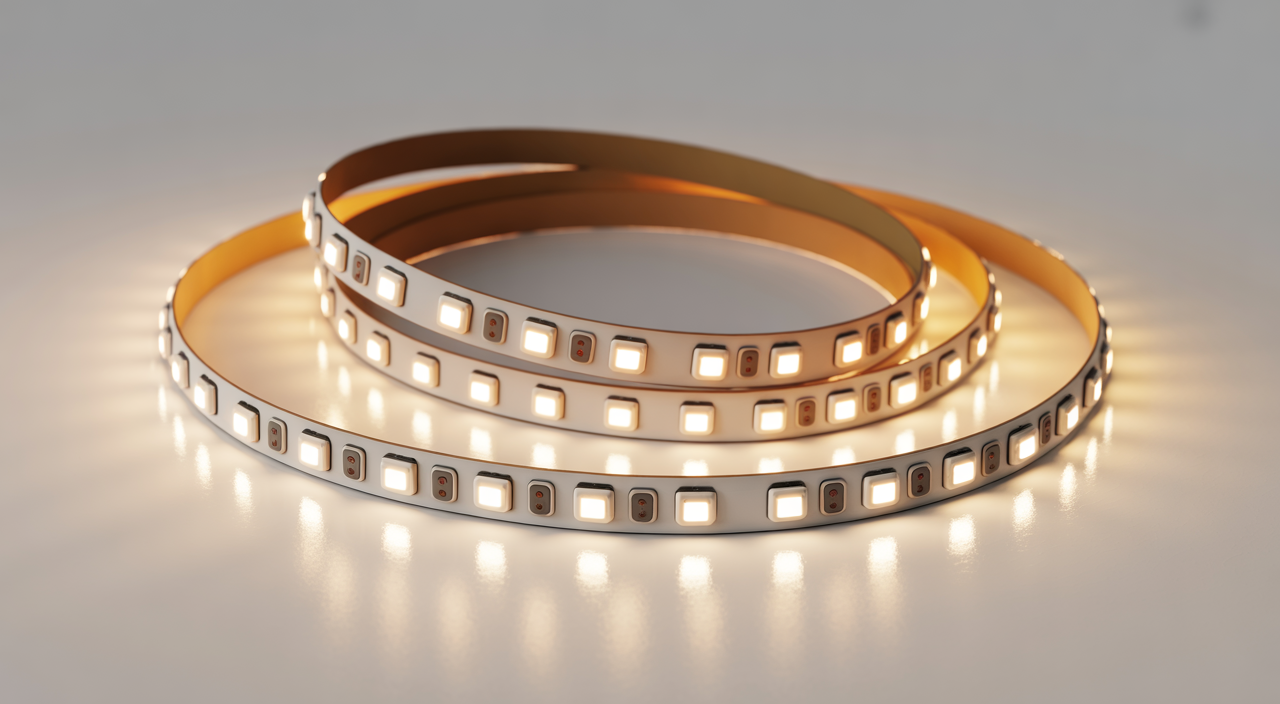
- Interior LED strips for ambient lighting in the footwell, dashboard, or doors
- Underbody or underglow strips that create a glowing halo under the car
- Boot and cabin dome LEDs to brighten the inside area
- Tail and brake LEDs for faster, sharper light response
Each type has a different purpose. As an investor-minded buyer, think in terms of “return on experience”: which upgrade will give you maximum daily benefit for the money you spend.
Key Specs You Should Check Before Buying
When you compare led lights for car upgrades, you will see some technical words. You do not need to be an engineer to understand the basics.
- Lumens: This is the brightness level. More lumens means more light. For interior mood lighting, you can use lower lumens, but for headlights, always check recommended values for your car model.
- Color temperature: Measured in Kelvin (K). Around 4,300K to 6,000K gives a bright white light that works well in rain and fog. Very blue or very cool white may look stylish but can be harsh on the eyes.
- Waterproof rating: Look for IP65 or higher if lights are exposed to water or mud. This is important for underbody kits and external strips.
- Voltage and power draw: Most cars use a 12V system. Make sure your LED kit is rated for 12V, and avoid very high power strips that could stress the wiring.
How to Choose the Right LED Strip for Your Car
Buying LEDs is a bit like choosing the right mutual fund: you match your goal with the right product features.
- Decide the purpose: Do you want better visibility, pure decoration, or both?
- Measure the area: For interior and underglow, measure the length you need so you do not waste strip or cut it in the wrong place.
- Pick the right color: Warm white for a cozy interior, cool white for a crisp, premium feel, or RGB if you want multiple colors and modes controlled by remote or app.
- Plan the power source: Direct to battery with a fuse, to an accessory line, or through the cigarette lighter socket. A clean power plan keeps your wiring safe.
For more ideas on using LEDs in and around your home and vehicle, you can explore this helpful guide on why LED lights are perfect for your garage. Many of the same principles apply to car lighting as well.
Simple DIY Installation Tips
If you enjoy weekend projects, basic LED strip installation can be handled at home with patience and simple tools.
- Tools: Wire stripper, electrical tape or heat-shrink tube, zip ties, cleaning cloth, alcohol wipes, and a small screwdriver.
- Surface prep: Clean the area where you will stick the strip. Dust and oil reduce the grip of the adhesive.
- Secure the wiring: Run wires along existing harness paths, under carpets, or inside plastic channels. Use zip ties to keep them fixed so they do not hang or rattle.
- Use a fuse: Always protect the circuit with a suitable fuse. This is a low-cost shield against short circuits.
For Indian road conditions, it is wise to keep extra wire length for flex, especially near doors and boot openings. This prevents strain on the joints.
Staying Legal and Safe on Indian Roads
Every country and even every state can have its own rules regarding vehicle lighting. In general, headlights and tail lights must follow official color and brightness rules, and flashing or very bright colored lights on public roads can be restricted.
Some simple safety habits:
- Use bright white LEDs for functional lighting like headlights and number plate lamps.
- Keep very bold colors like deep blue or red for private property, car meets, or controlled environments.
- Avoid distracting flashing patterns while driving on public roads.
When you upgrade, think like a long-term investor: your goal is better safety and comfort, not short-term show-off that may draw unwanted attention from authorities.
Creative Styling Ideas That Still Feel Classy
LEDs can transform your car without making it look overdone. A few tasteful ideas include:
- Footwell and door pocket lighting that glows gently when you unlock the car.
- Soft under-dash glow in a warm color that makes night driving more pleasant.
- Subtle underbody strip in a single color that highlights the car at rest in a parking spot or at a gathering.
- Bright white boot lighting so you can easily find luggage during late-night journeys.
If you enjoy experimenting with lighting in general, you might also like this article on adding a little sparkle to your crafts with mini LED lights, which shows how flexible LEDs can be in different projects.
Maintenance and Long-Term Care
Good quality LEDs can last for years if you take a few basic steps.
- Check the adhesive and supports every few months, especially after monsoon season.
- If you see any flicker, inspect the wiring joints first. Often a loose connection is the cause.
- Keep external strips clean from mud and road salt. Wipe gently with a damp cloth.
This small amount of care protects your electrical system and keeps your car looking fresh and premium.
FAQs About LED Lights for Cars
Q1: Will LED lights drain my car battery?
No, LEDs use less power than regular bulbs. If wired correctly to a switched power source or used with proper fuses and relays, they are very battery-friendly. Just avoid leaving bright accent lights on for long periods when the engine is off.
Q2: Can I install LED strips in my car without cutting any wires?
Yes, many kits allow plug-and-play use with a cigarette lighter socket or ready-made connectors. For a cleaner, hidden setup, some basic wiring work is helpful, but you can start with non-invasive plug-in options and upgrade later when you feel confident.

Roderick Smith is a writer, blogger, and business owner. He has been writing for over 5 years and his blog naouelmoha.net offers valuable information about the business, health, law, and the latest technology. Roderick lives in Nashville with his wife and three children.