
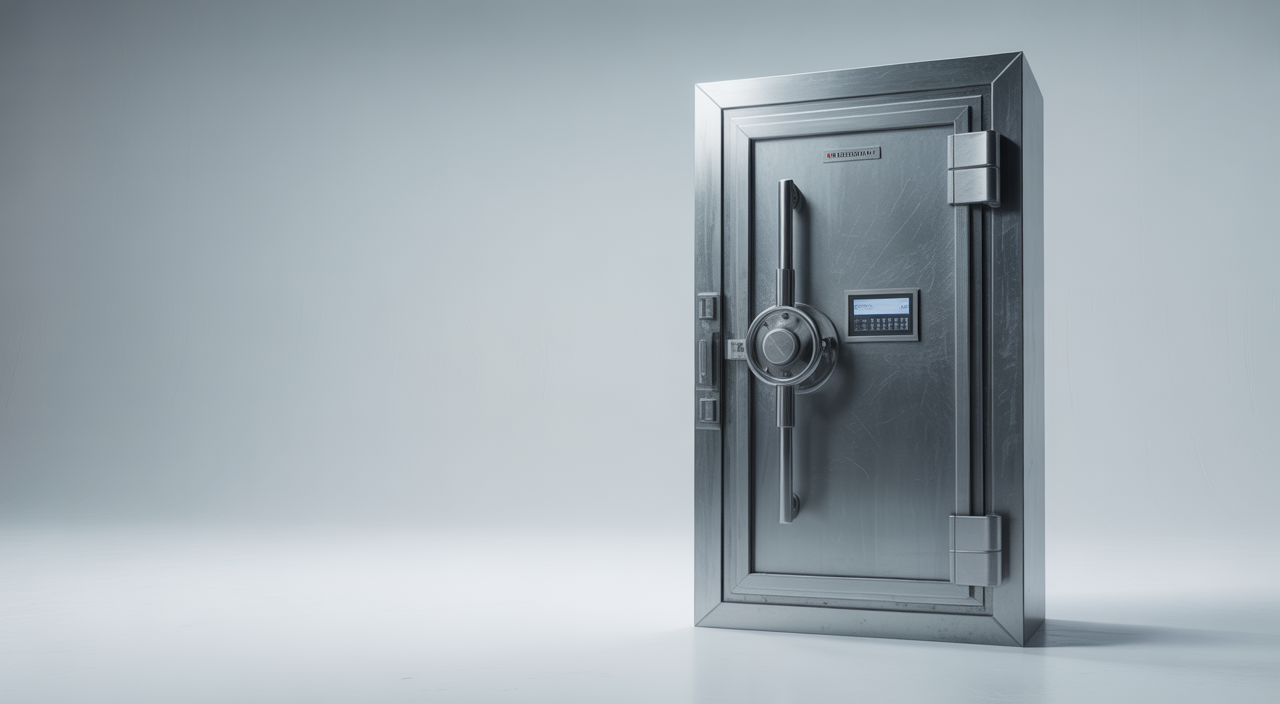
The Ultimate Guide to Safe Room Doors: Types, Ratings, Costs & Installation
What should you know before buying safe room doors?
If you are planning a secure space for your family or for a high‑value asset, the door is often the weakest link. Strong walls and concrete are helpful, but without the right door, a safe room is not truly safe. High‑quality safe room doors turn a normal room into a reliable protection zone against threats like break‑ins, storms, or even blasts.
In this guide, you will learn what these doors actually do, how different ratings work, what affects the price, and how to choose the right option. The goal is to help you take calm, confident decisions instead of guessing or relying only on sales talk. This is especially useful if you see your home as a long‑term investment and want to balance safety with smart budgeting.
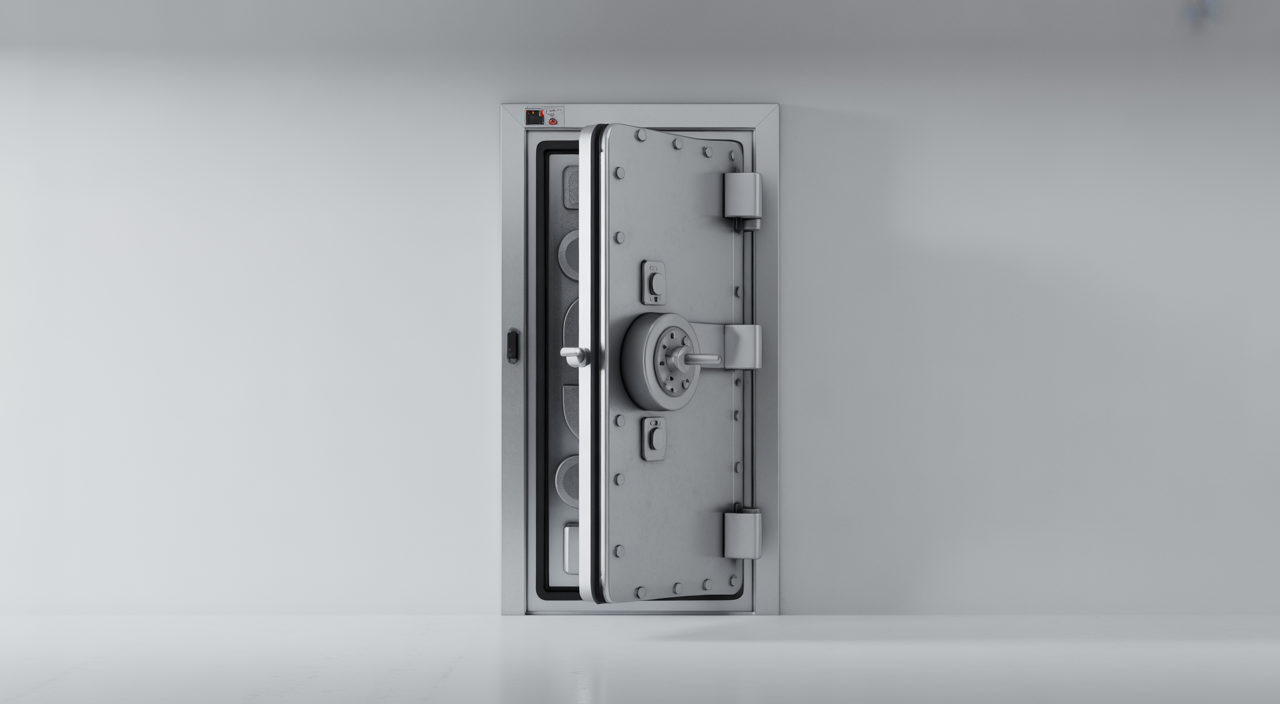
We will also touch on how security doors fit into a wider safety strategy, similar to how strong windows and alarm systems work together. For a broader perspective on home protection, you can explore this helpful article on protecting your home with security windows once you finish this guide.
What is a safe room door?
A safe room door is a reinforced security door designed to protect people and valuables during an emergency. It looks like a normal door from outside but has strong steel, special locks, and tested hardware on the inside. Depending on the model, it can resist bullets, fire, forced entry, or extreme winds and flying debris.
These doors are used both in homes and in commercial spaces. In a house, they often protect a bedroom, walk‑in wardrobe, basement, or small internal room. In offices or shops, they may protect cash rooms, data centres, or management areas.
Types of safe room doors
Not every threat is the same, so manufacturers design different types of doors. Knowing these will help you match the product to your real risks.
1. Ballistic / bullet‑resistant doors
Ballistic doors are built to resist gunfire. They are tested using standards such as UL 752, which grades doors based on the weapon and number of shots they can withstand. Higher levels handle heavier guns and more rounds.
These doors are ideal if you are concerned about violent crime, high‑value jewellery or cash storage, or VIP security. They usually have thick steel skins, special cores, and heavy‑duty frames. While they are strong, modern designs can still look elegant and match normal interior décor.
2. Storm and hurricane‑rated doors
Storm shelter doors protect you from extreme winds and flying debris during events like cyclones, tornadoes, or severe thunderstorms. They are often tested to standards similar to ICC 500 and FEMA guidelines for safe rooms.
These doors focus on withstanding impact from large, fast‑moving objects and remaining closed even when wind pressure is huge. If you live in a coastal or high‑wind area, a storm‑rated door can be one of the most valuable upgrades for your home safety.
3. Blast‑resistant doors
Blast‑rated doors are designed for sites that may face industrial or accidental explosions. They are common in factories, power plants, defence‑related buildings, or sensitive commercial spaces.
For most homeowners, such high‑level protection is not required. However, some high‑net‑worth individuals or businesses prefer blast protection when they plan ultra‑secure panic rooms or vaults.
4. Fire‑rated security doors
Fire‑rated doors are built to resist high heat and flames for a specific duration, such as 60 or 120 minutes. During this time, they help keep smoke and fire out of your safe room, giving you more time to stay protected or exit safely.
A good fire‑rated security door combines strong steel, fire‑resistant cores, and smoke seals. For apartments or multi‑storey buildings, this combination gives extra peace of mind during any emergency.
Key features and specifications to compare
When comparing safe room doors, it helps to look beyond simple “strong” or “bulletproof” claims. Here are the practical details to check.
- Material & construction: Thicker steel and quality welding typically mean better strength. Some doors use layered steel with special cores for added resistance.
- Frame and anchors: A strong door in a weak frame will still fail. Check for reinforced frames and anchors fixed deep into concrete or solid masonry.
- Locks and hardware: Multi‑point locks, heavy hinges, and tamper‑resistant hardware are essential. Many safe room doors use locks that engage the frame at several points.
- Ratings and certifications: Look for verified ballistic test levels, storm or blast ratings, and clear test reports. Standards like UL 752 for bullets or storm‑shelter standards provide objective proof.
- Aesthetics: Modern doors can be covered with wood or custom finishes. This helps your safe room blend in and avoids drawing attention.
How to choose the right safe room door
Selection becomes easier when you match the door to your specific threat profile and budget. Start by listing your top concerns. Is it burglary, riots, severe storms, or a mix? For many city homeowners, forced entry and potential gunfire are the main risks, while for coastal areas, storm protection is crucial.
Next, decide your budget range. Costs generally include the door itself, the frame, locks, delivery, and professional installation. For serious protection, planning for expert installation is wise, because poor fitting can reduce performance.
Also think about location and size. A safe room door for a bedroom can be standard size, while a basement shelter or commercial vault may need custom dimensions. Custom designs can cost more but fit better into existing structures.
Finally, check local building rules. In many places, heavy security upgrades are welcome, but you may still need basic permissions or structural checks. If you already work with a building consultant or architect, ask them to confirm compliance.
Installation and maintenance tips
Safe room doors are specialist products. While some handy homeowners can handle minor upgrades, true security doors are usually best installed by trained technicians. They ensure the frame is aligned, anchors are deep and strong, and locks function smoothly.
Installation typically includes removing the old frame, preparing the opening, fixing the new frame with proper anchors, and then hanging and adjusting the door. This process can take several hours but is usually completed in one day.
For maintenance, keep things simple. Check hinges and lock operation every few months, keep moving parts lightly lubricated, and confirm that seals are intact. A quick yearly inspection is often enough to keep performance at its best.
Case study spotlight: a hybrid protection door
Some modern safe room doors combine multiple benefits, such as resistance to bullets and storms, along with fire performance and a pleasant look. These “hybrid” models are appealing if you want a single solution instead of several specialised systems.
For example, you can choose a door that offers ballistic resistance for personal security, along with solid structural performance against wind and impact. This kind of design is ideal for a master bedroom or family safe room that you might use in many types of emergencies.
To better understand how such products integrate into a long‑term safety and property plan, you can also read about step‑by‑step disaster recovery planning. Thinking in this structured way ensures your investment in a secure door is part of a wider resilience strategy.
FAQs
Q1. How much do safe room doors cost, including installation?
Prices vary based on rating, size, and design. Basic reinforced security doors can start at the lower end, while high‑level ballistic or storm‑rated models with custom finishes can cost more, plus professional installation. It is wise to request a detailed quote that clearly separates door, hardware, and labour costs.
Q2. Can I retrofit a safe room door into an existing room?
Yes, many homeowners upgrade an existing bedroom, study, or storage room by adding a reinforced door and frame. The installer may need to adjust the wall opening, strengthen surrounding structure, and replace the old frame. After that, the new door works like any other entrance but provides a much higher level of protection.
Q3. Do I always need a permit to install a safe room door?
In many residential cases, a permit is not needed for simply replacing a door, but rules differ from place to place. If structural changes, electrical work, or major building alterations are involved, local authorities may require basic approval. Your installer or architect can guide you so that your upgrade stays fully compliant.
Q4. How long will a safe room door last?
With quality materials and proper installation, these doors are designed to last for many years with minimal care. Regular checks, gentle cleaning, and timely lubrication of hinges and locks help maintain smooth operation. Because they are built for emergencies, they are tested to keep their strength even after long periods of normal daily use.

Roderick Smith is a writer, blogger, and business owner. He has been writing for over 5 years and his blog naouelmoha.net offers valuable information about the business, health, law, and the latest technology. Roderick lives in Nashville with his wife and three children.