
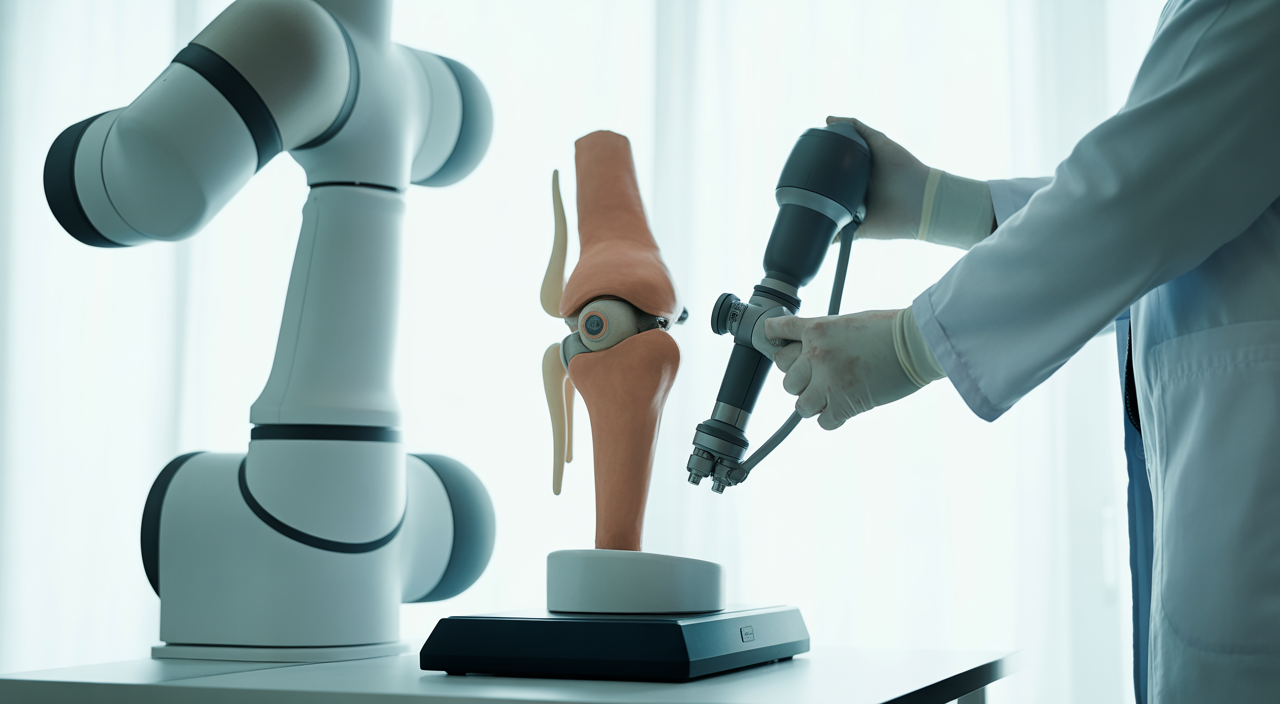
What Is Robotic Knee Replacement Surgery and Is It Right for You?
Are you or a loved one thinking about robotic knee replacement surgery but feeling unsure about what it really means? Many patients hear about “robots” in the operation theatre and feel both curious and a little nervous. The good news is that this technology is designed to help your surgeon work with more accuracy and protect your knee.
In simple terms, robotic knee replacement is still a human-performed surgery. Your orthopedic surgeon stays fully in control at every step. The robotic system is a smart tool that helps plan your surgery in detail and guides the surgeon’s hand so that the implant fits your knee as precisely as possible.
For Indian patients and families, this topic also connects to cost, value, and long-term health. When you invest in any advanced medical treatment, you want to know how it affects your daily life, your mobility, and your future financial goals.
What Exactly Is Robotic Knee Replacement?
In a normal knee replacement, the surgeon uses standard instruments to remove damaged bone and cartilage, then fits a metal and plastic implant. In robotic-assisted knee replacement, the process is similar, but the planning and execution are more personalised.
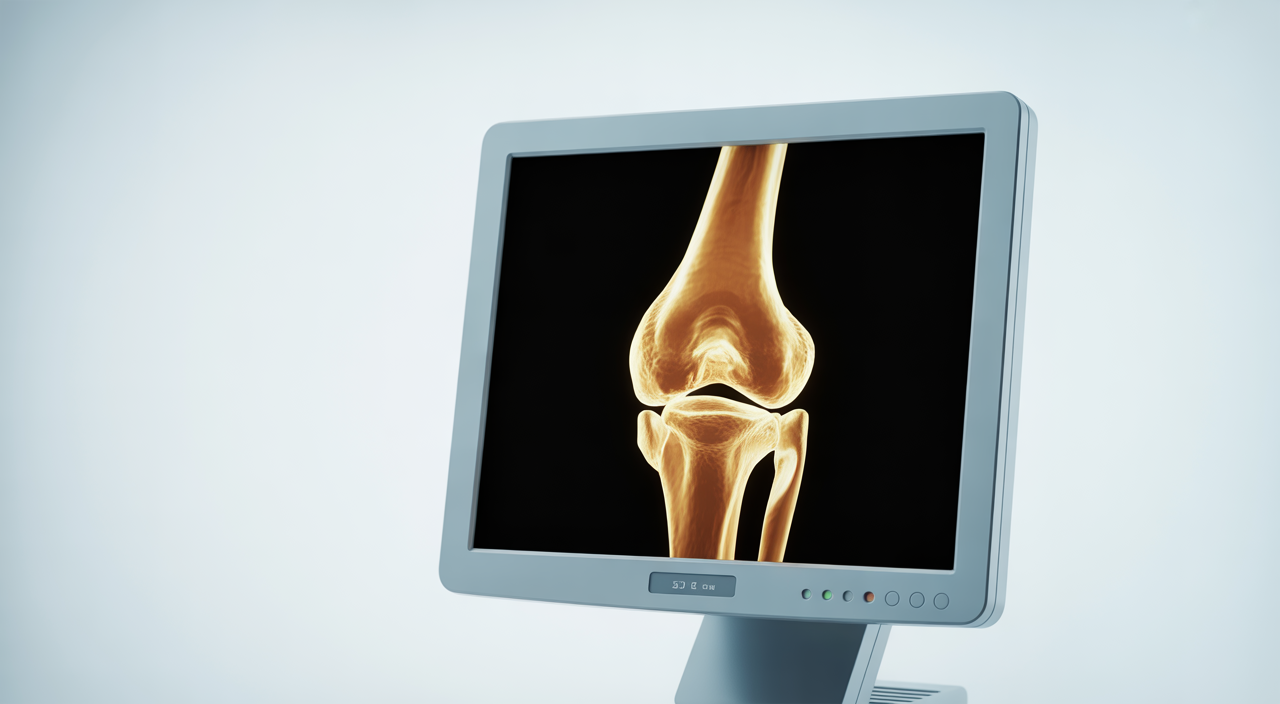
First, your knee is scanned, often using a 3D CT (computed tomography) scan. This creates a detailed virtual model of your joint. The robotic system uses this model to help the surgeon decide exactly how much bone to remove and where the implant should sit.
During surgery, sensors and computer guidance track the position of the surgeon’s tools. If the tool moves outside the safe, pre-planned area, the system gives instant feedback. This helps protect nearby soft tissues and supports smoother joint movement after surgery.
How the Procedure Works, Step by Step
1. Preoperative planning
The journey begins with a detailed evaluation. Your doctor checks your medical history, X-rays, and often a 3D scan. Advanced software then builds a patient-specific plan. It shows how different implant sizes and positions will affect balance and range of motion.
2. Guided bone preparation
In the operation theatre, the surgeon places small trackers on your leg. These trackers send real-time data to the computer. The robotic arm then helps the surgeon stay within the plan, guiding each cut with high precision.
3. Implant positioning and verification
Once the damaged surface is removed, the surgeon places the implant. The system checks alignment, stability, and movement. If required, small adjustments are made until the fit is as close as possible to the planned result.
Benefits Compared to Traditional Knee Replacement
Robotic techniques focus on accuracy and consistency. For many patients, this can offer meaningful advantages.
- Better alignment: Accurate placement of the implant may help reduce uneven wear and improve long-term performance.
- Bone and tissue preservation: Because the cuts are carefully guided, less healthy bone and soft tissue may be disturbed.
- More natural feel: A well-balanced knee often feels more “normal,” especially during bending, walking, or using stairs.
- Faster early recovery: Many patients are able to walk with support sooner and regain confidence in daily movements.
Every person is different, so results vary. Still, global research shows positive trends for pain relief, function, and patient satisfaction with modern robotic systems.
Who Is a Good Candidate?
Most people who are eligible for standard knee replacement can also be considered for robotic-assisted surgery. Your doctor will focus on your symptoms and overall health, not just your age.
- Moderate to severe knee arthritis that affects walking, sleep, or work
- Pain that does not improve with medicines, injections, or physiotherapy
- Stiffness or deformity that makes daily activities challenging
- Stable overall health, with controlled blood pressure, diabetes, and heart conditions
If you have severe bone loss, active infection, or certain ligament issues, your surgeon may suggest a different approach. A proper clinical assessment is always essential before deciding.
What Does Recovery Look Like?
Recovery after robotic knee replacement is planned like a journey with clear milestones. Having realistic expectations keeps you positive and focused.
First week
- Most patients begin standing and taking a few steps with support within a day or two.
- Pain is managed with medicines and cold therapy.
- Simple exercises help improve blood flow and prevent stiffness.
Weeks 2 to 6
- Physiotherapy focuses on bending and straightening the knee.
- Walking distance increases gradually, often with a walker and later a stick.
- Many people start handling light household tasks by the end of this phase.
Months 3 to 6
- Most patients can walk more freely and climb stairs more comfortably.
- Low-impact activities like brisk walking, cycling, and yoga become easier.
- Pain and stiffness keep reducing as muscles regain strength.
Following your exercise plan, attending follow-up visits, and keeping your weight in a healthy range all support a long-lasting result.
Key Cost and Investment Considerations for Indian Families
Robotic surgery usually costs more than a traditional knee replacement because of advanced equipment and planning technology. For many Indian families, this is a major decision and part of a larger financial plan.
While exact prices vary by city, hospital, and implant choice, you can think of the total expense as an investment in mobility and independence. Better alignment and implant positioning may reduce the chance of early revision surgery, which means fewer medical expenses in the long term.
When budgeting, consider:
- Hospital charges and surgeon fees
- Implant type and brand-neutral quality levels
- Rehabilitation, physiotherapy, and follow-up visits
- Time away from work or business, both for the patient and caregiver
Just as you plan carefully for mutual funds or property, it is wise to compare hospitals, read outcomes data, and ask clear questions about the total package. For more guidance on making structured decisions, you may find it helpful to read about building a detailed plan before committing to a big investment.
How to Choose the Right Surgeon and Hospital
Technology is powerful only in experienced hands. When selecting a centre for robotic knee replacement, look beyond marketing terms and focus on measurable facts.
- Number of robotic knee procedures performed each year
- Years of experience in joint replacement surgery
- Post-surgery infection rates and revision rates
- Strength of the physiotherapy and rehabilitation team
- Patient education and support before and after surgery
Reading patient stories and understanding what to expect after orthopaedic surgery can reduce anxiety and help you prepare better. For example, many patients benefit from learning what to expect during follow-up care with an orthopedic specialist, even though local practices may differ.
Frequently Asked Questions
1. Is robotic knee replacement surgery safer than traditional surgery?
Robotic systems are designed to support your surgeon with more precise planning and controlled bone cuts. This can reduce the chance of human measurement error. While no surgery is completely risk-free, the guided approach may lower some risks related to alignment and soft tissue damage. Overall safety still depends on your health, the hospital setup, and the surgeon’s experience.
2. How long do the results of robotic knee replacement usually last?
Modern knee implants, whether placed by traditional or robotic methods, are designed to last 15 to 20 years or more in many patients. With accurate positioning and good joint balance, robotic techniques aim to support this long life. Your own lifestyle, activity level, body weight, and bone quality also play a big role in how long the implant stays comfortable.
3. Will insurance cover robotic-assisted knee surgery in India?
Many health insurance policies cover knee replacement, but not all plans allow for extra charges linked to robotic technology. It is important to check with your insurer in advance. Ask directly if robotic-assisted procedures are included, what limits apply, and whether there is any co-payment amount to plan for.
4. Is robotic technology useful for both knees if I need them replaced?
Yes, many patients with arthritis in both knees are suitable for robotic procedures. Your surgeon will decide whether to operate on one knee at a time or both knees in a staged manner. The same principles of accurate planning, guided cuts, and balanced movement apply in each case.
For anyone considering robotic knee replacement surgery, the most important step is a detailed consultation with a qualified orthopedic specialist. Ask questions, review the plan, and align the treatment with your health, lifestyle, and financial goals so that your new knee truly supports the life you want to lead.

Roderick Smith is a writer, blogger, and business owner. He has been writing for over 5 years and his blog naouelmoha.net offers valuable information about the business, health, law, and the latest technology. Roderick lives in Nashville with his wife and three children.