
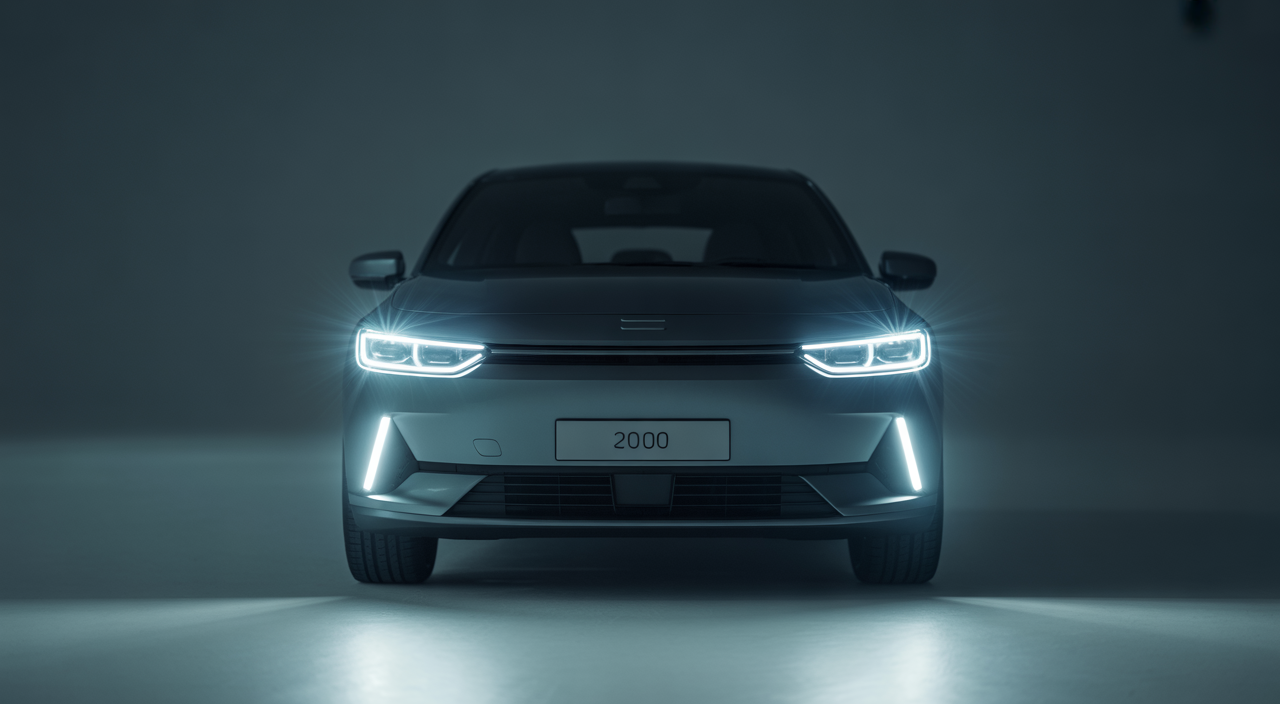
The Ultimate Guide to LED Lights for Your Car: Types, Benefits & Easy Installation
Why should you upgrade to LED lights for your car?
If you drive often at night or in heavy rain, you already know how important good lighting is. Upgrading to led lights for car is one of the simplest ways to make your vehicle safer, more stylish, and more energy efficient. You get brighter light, lower power use, and a modern look without spending a huge amount.
This guide walks you through everything you need to know before you buy. You will learn how LED technology works, which types of lights suit different parts of your car, how to choose safe and legal options, and how to install them at home with basic tools.
The focus is on practical, real-world tips that work well for Indian car owners, including those who drive daily in busy city traffic or on dimly lit highways. By the end, you will be ready to pick the right LED setup with confidence and get the best value for your money.
Understanding LED technology in simple terms
LED stands for “light-emitting diode.” It is a tiny electronic component that gives bright light while using very little power. Unlike traditional halogen bulbs, LEDs do not get extremely hot and usually last many years.
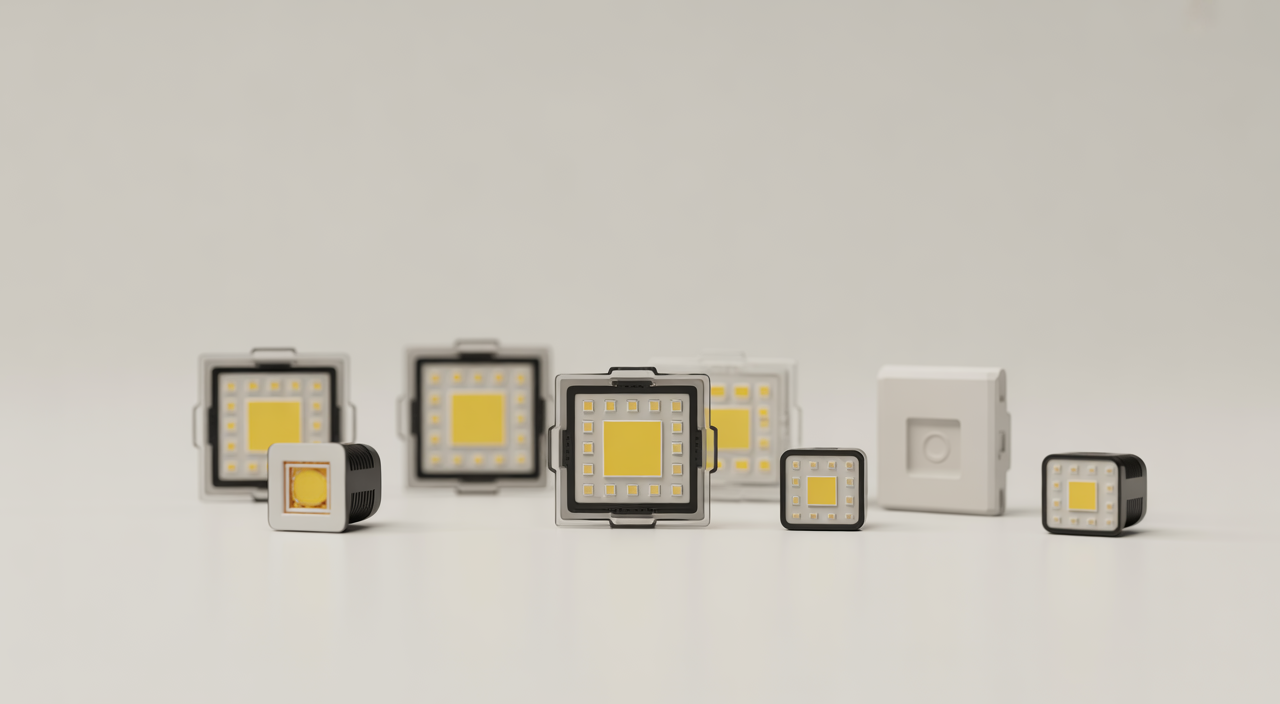
SMD vs COB LEDs
Most automotive LED lighting uses either SMD or COB chips. SMD (Surface Mounted Diode) has individual small LED chips mounted on a board. They are flexible, good for strips and interior lighting, and easy to shape around dashboards or doors.
COB (Chip on Board) packs many LED chips tightly in one spot. This gives a very strong, focused light, which is great for headlights and fog lamps. For most car owners, SMD is ideal for decorative and cabin use, while COB works best for main beams where you need long-distance visibility.
Lumens, watts, and kelvins: what do they mean?
When you compare led lights for car, you will see three key numbers: watts, lumens, and kelvins.
- Watts: How much power the bulb uses. With LEDs, lower watts can still give very bright light.
- Lumens: The actual brightness. Higher lumens mean more light on the road.
- Kelvins (K): Color temperature. Around 4300K to 6000K is popular for car headlights. 4300K looks warm white, while 6000K looks cool white with a slight blue tint.
For daily driving in Indian conditions with dust and rain, a range between 5000K and 6000K usually offers a good balance of style and visibility.
IP ratings and durability
LEDs on the exterior must handle water, dust, and heat. Look for an IP (Ingress Protection) rating. For example, IP65 or IP67 means the light is protected from dust and strong water jets or short-term immersion.
If you drive on rough roads or through monsoon rain, a higher IP rating helps your LEDs stay safe and last longer without flickering or failing.
Types of car LED lighting
Headlights
Headlight LEDs replace your existing halogen bulbs. They come in specific socket types like H4, H7, or H11. Always check your car manual or existing bulb code before buying.
Good LED headlights should offer:
- A clear, sharp beam pattern without scattering light into oncoming traffic.
- Brightness typically in the 2000–4000 lumens per bulb range for safe night driving.
- Cooling features such as fans or heat sinks to prevent overheating.
Fog lights and daytime running lights
LED fog light bulbs help in rain, fog, and mist, especially on highways and hill roads. They give a low, wide beam close to the road surface so you can see lane edges and potholes more clearly.
Daytime running lights (DRLs) are low-power front lights that stay on whenever the car is running. They make your car more visible to others during the day and add a premium look to the front end.
Interior and accent lights
LED car interior lights upgrade the cabin feel. You can add them in the roof light, footwell, door panels, and boot space. These bulbs are usually small and easy to fit.
Exterior accent lights, such as car LED light strips under the dashboard or below the doors, are popular for those who enjoy a custom look. Just be sure you follow local rules about colored lights on the outside of the car.
How to choose the right LEDs for your vehicle
Check compatibility first
Every car model uses specific bulb sizes. Your first step is to note down the existing bulb codes from your manual or from the old bulbs. Many online stores now offer simple tools to select your car’s make, model, and year to filter compatible options.
You can use the same careful, step-by-step approach that experts recommend in guides such as this one on choosing efficient LED lighting for home spaces, and apply that mindset to your car.
CANbus and error-free bulbs
Modern cars sometimes use a system called CANbus to monitor bulbs. When you switch to LEDs, the low power use can confuse the system and trigger bulb error warnings or flickering.
To avoid this, look for “CANbus error free” LED kits. These come with built-in resistors or decoders so your car computer reads them like normal bulbs.
Legal and safety regulations
Always respect local traffic rules. In many regions, front headlights must be white, and rear lights must be red. Avoid ultra-blue or very colorful lights for any parts that face public roads.
Choose products that clearly mention they meet safety norms and have a proper beam pattern. A well-aligned beam protects both you and other drivers from glare.
Step-by-step basic installation guide
Tools and preparation
Most plug-and-play LED kits need only basic tools:
- A screwdriver set
- A clean cloth
- Gloves to keep oils from your hands off the bulbs
Park in a flat, well-lit place, turn off the engine, and disconnect the battery if your car manual suggests it. Let old bulbs cool down before handling.
Swapping your headlight bulbs
- Open the bonnet and remove the headlight dust cover from the rear of the headlamp unit.
- Unplug the wiring connector from the old bulb.
- Release the metal clip or twist lock and gently pull out the old bulb.
- Place the new LED bulb in the same position, making sure the LED chips face left and right for a proper beam pattern.
- Secure the clip, plug in the connector, and test the light before refitting the dust cover.
Repeat on the other side and then check the beam on a wall from a few meters away. Both sides should be at equal height and not pointing too high.
Wiring DRLs and fog lights
Fog light bulbs often fit directly into existing holders. For DRL strips or modules, you may need to connect them to an ignition or ACC power source so they turn on automatically when you start the car.
If you are not comfortable with wiring, a local auto electrician can complete this part quickly at low cost. This is often a good choice for Indian buyers who want a neat, reliable setup.
Troubleshooting simple issues
- Flickering lights: Usually a CANbus or voltage issue. Use a decoder or error canceller.
- One side not working: Swap bulbs between sides. If the problem moves, the bulb is faulty. If not, check the socket or fuse.
- Glare to other drivers: Refit the bulb securely and adjust headlight alignment using the adjustment screws behind the headlamp.
Maintenance and longevity tips
Good LEDs can last for many years if treated well. Keep the headlight lens clean to avoid dust and yellowing, which reduce brightness. Do not block cooling fans or heat sinks with extra covers or tape.
If you are interested in other ways to modernize your home or vehicle setup, you can also explore guides on using modern energy-saving gadgets for more ideas.
FAQs about LED lights for car
Q1: Are cool white 6000K LEDs safe for everyday use?
Yes, 6000K cool white is very popular and offers crisp visibility, especially in city and highway driving. Just make sure the beam pattern is focused and does not blind oncoming traffic. Always buy from a reliable source that clearly mentions road-use suitability.
Q2: Can I install car LEDs myself if I am not very technical?
Most plug-and-play LED kits are easy to install, similar to changing a normal bulb. If you follow the steps carefully and match the correct socket type, you can handle basic replacement at home. For advanced wiring like DRLs or extra strips, taking help from a professional installer is a simple and affordable option.
Q3: Do LEDs really save battery power compared to halogen bulbs?
Yes, LEDs use much less power than halogen bulbs while giving more light. This reduces load on your alternator and battery, which is useful in heavy traffic, long idling, and for cars with smaller batteries, a situation common in many Indian cities.

Roderick Smith is a writer, blogger, and business owner. He has been writing for over 5 years and his blog naouelmoha.net offers valuable information about the business, health, law, and the latest technology. Roderick lives in Nashville with his wife and three children.