
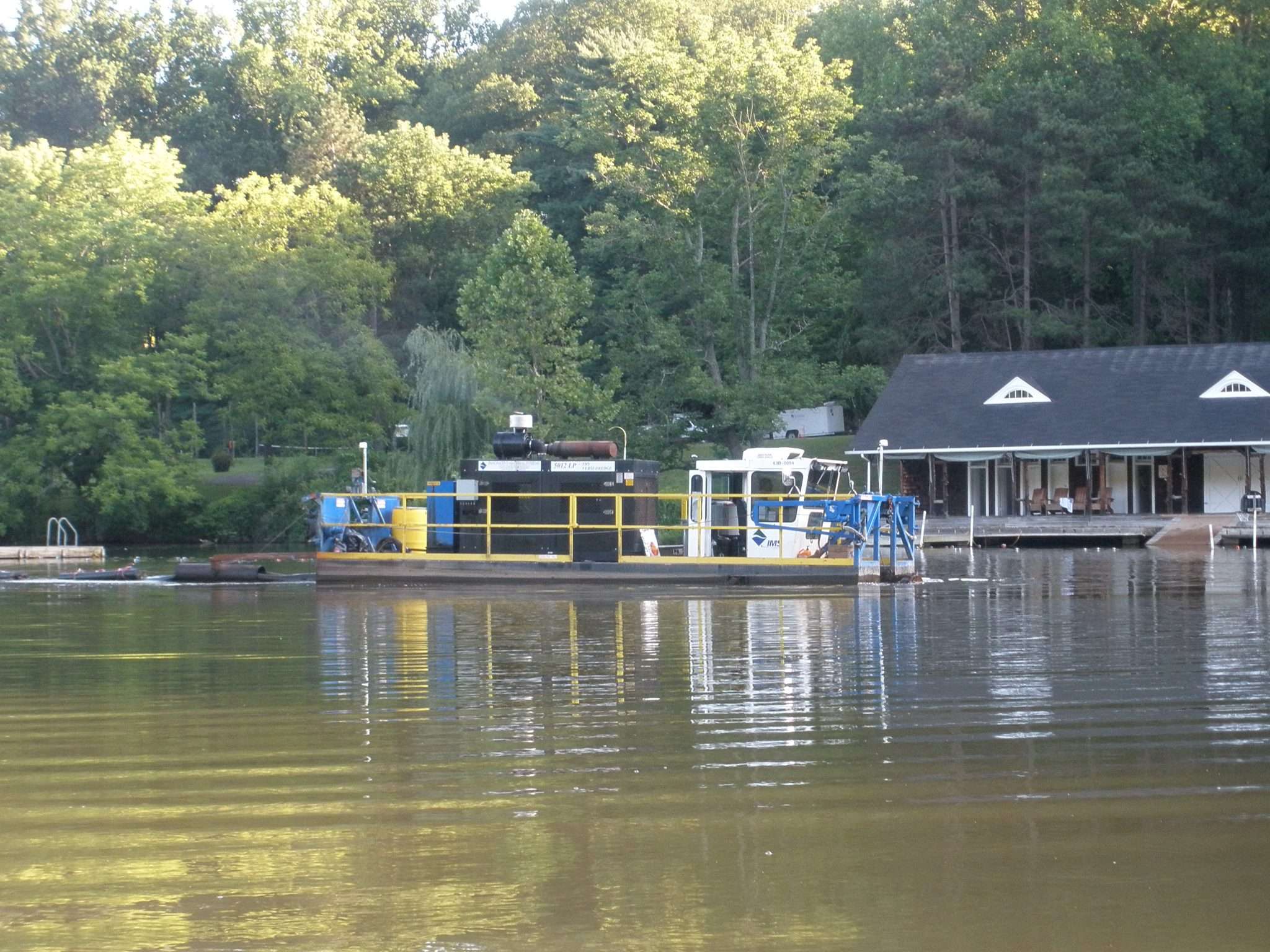
Mastering the Canal Dredge: Your Essential Guide to Clear & Functional Waterways
Are your vital waterways becoming choked with sediment and debris? This is a common challenge that can severely impact the function of canals around the world. Understanding what canal dredging involves and why it’s so important is the first step toward maintaining healthy, efficient waterways. A modern canal dredge is a specialized piece of equipment designed to remove unwanted materials from the bottom of canals. It helps restore depth and flow.
This guide will explore everything you need to know about canal dredging. We will look at its necessity, the different methods available, and how to choose the right equipment. Our goal is to ensure long-term success for your canal maintenance projects.
Why is Canal Dredging Essential? The Hidden Costs of Neglect
Canals serve many purposes. They are crucial for irrigation, drainage, transportation, and even recreation. When these waterways are not properly maintained, problems quickly arise.
The Problem: What Happens When Canals Aren’t Dredged?
Over time, canals collect sediment, sand, silt, and sometimes even trash. This buildup reduces the canal’s depth and width, and it also slows down water flow significantly. For agricultural areas, this means less water for crops. For urban areas, it increases the risk of flooding during heavy rains. Neglected canals can also make boat navigation difficult or impossible. They can harm aquatic life by reducing water quality. Furthermore, pumps and other water infrastructure have to work harder, leading to higher energy costs and faster wear and tear.
The Solution: Key Benefits of Proactive Canal Dredging
Regular dredging helps prevent these costly problems. It restores the canal’s original capacity. This ensures water flows freely and efficiently. Dredging enhances flood protection for surrounding communities. It makes waterways navigable again for various vessels. A healthier canal also means improved water quality. This supports local ecosystems and potentially provides better water for other uses. In the long run, proactive dredging saves money by avoiding expensive repairs and infrastructure damage. It is a smart investment for any waterway management plan. It also contributes to proactive disaster recovery planning.
Understanding Your Needs: Different Types of Canals & Their Dredging Challenges
Not all canals are created equal. Each type presents unique challenges that influence the best dredging approach.
Agricultural & Irrigation Canals
These canals are the lifelines for farming communities. They bring water to crops. Their main problem is siltation from soil runoff. Excessive weed growth is also common. A specialized canal dredge is vital for agricultural efficiency. It ensures consistent water delivery and maximizes crop yields. Keeping these canals clear is directly tied to food security and economic stability.
Municipal Drainage & Stormwater Canals
Urban and suburban areas rely on these canals to manage rainwater. They prevent flooding. These waterways often collect a mix of sediment, leaves, plastic, and other urban debris. Effective dredging for these canals is crucial for public safety and protecting property from water damage. It helps maintain the flow during peak storm events.
Recreational & Navigational Canals
Canals used for boating, fishing, or other leisure activities require different attention. Maintaining adequate depth is key for vessel access. The aesthetic appeal of the waterway is also important. Environmental sensitivity is often a high priority here. Dredging must be done carefully to minimize disturbance to aquatic habitats.
Industrial & Cooling Canals
Industries like power plants use canals for cooling systems or process water. These canals might have specific types of sediment or need to maintain continuous flow. Dredging here is often critical for uninterrupted operations. It prevents blockages that could lead to costly shutdowns.
The Tools of the Trade: Exploring Canal Dredging Methods & Equipment
Choosing the right method and equipment is crucial for a successful dredging project. It depends on the canal’s specific characteristics and the material to be removed.
Overview of Dredging Methods
Two primary methods are widely used:
- Hydraulic Dredging: This method uses a powerful pump to suck up a mixture of water and sediment, called a slurry. It works like a giant vacuum cleaner. The slurry is then pumped through a pipeline to a disposal site. Hydraulic dredging is known for its precision and continuous operation. It’s often preferred for removing softer sediments like silt and mud from canals. Many find the versatility of a hydraulic canal dredge invaluable for such tasks.
- Mechanical Dredging: This involves using excavators, clamshells, or grab buckets mounted on barges to physically scoop up material. It’s effective for removing dense materials like heavy clays, rocks, or large debris. While powerful, it can sometimes cause more turbidity (cloudiness) in the water compared to hydraulic methods.
- Environmental Dredging Techniques: These are specialized methods designed to minimize ecological impact. They often involve precision dredging, strict turbidity control, and careful handling of contaminated sediments. The goal is to restore habitats while removing harmful materials.
Choosing the Right Canal Dredge: Key Considerations
Selecting the optimal canal dredge is paramount for project success. Here are the factors to consider:
- Canal Dimensions: The width, depth, and accessibility of the canal determine the size and type of dredge that can operate effectively.
- Material Type: Is it silt, sand, clay, rock, or heavy debris? Different dredge types are better suited for different materials.
- Disposal Methods: Where will the removed material go? The distance and type of disposal site influence the pumping or transport system needed.
- Environmental Regulations: Local and national rules often dictate how dredging can be done, especially regarding water quality and wildlife protection.
- Budget and Efficiency: Consider the overall cost, including fuel, labor, and maintenance. Look for equipment that offers the best operational efficiency for your project.
Driving Efficiency: The Future of Canal Maintenance
Modern approaches to canal dredging are focused on innovation, sustainability, and maximizing long-term value. These advancements help project managers achieve their goals more effectively.
Innovation in Dredge Design for Waterways
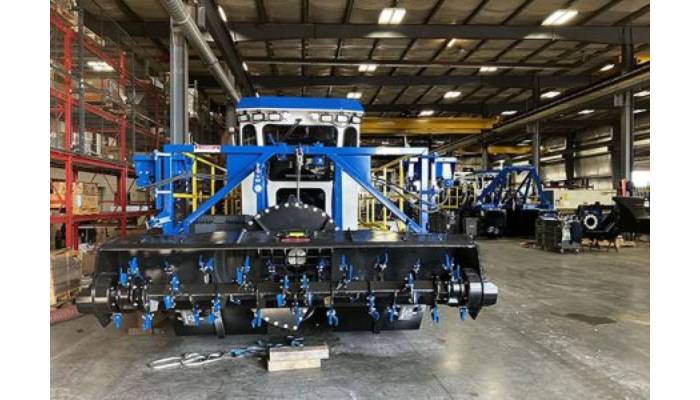
Today’s dredging equipment is designed with advanced features to tackle complex canal challenges. Look for dredges that offer high portability and maneuverability, allowing them to access hard-to-reach areas. Specialized cutterheads can handle various sediment types, from soft silt to compacted clays and even light debris. Features like remote control options and integrated GPS systems enhance precision and safety. These innovations lead to greater efficiency, reliability, and ease of operation, significantly boosting overall operational efficiency.
Sustainable Practices in Dredging
Environmental responsibility is at the forefront of modern dredging. Advanced techniques focus on precision dredging to minimize disturbance to the surrounding environment. Turbidity control measures prevent widespread water cloudiness. There’s also a growing emphasis on the beneficial reuse of dredged material. This can include using sediment for land reclamation, beach nourishment, or creating new habitats. Modern canal dredge technology prioritizes ecological well-being alongside operational effectiveness.
Conclusion
Effective canal dredging is not just a maintenance task; it’s a critical investment in the health, functionality, and longevity of our waterways. Whether you’re battling sediment buildup, mitigating flood risks, or ensuring smooth navigation, choosing the right canal dredge and methodology is crucial. By understanding your specific canal type and applying innovative, sustainable dredging practices, you can achieve pristine, efficient waterways for years to come. For an in-depth look at equipment specifically designed for effective canal dredging, explore advanced solutions.
Frequently Asked Questions
- How often should a canal be dredged?
The frequency of dredging depends on several factors: the canal’s purpose, the rate of sediment accumulation, environmental conditions, and local regulations. Irrigation and drainage canals in areas with high runoff may need more frequent dredging (every few years). Recreational or navigational canals might require it less often, perhaps every 5-10 years. Regular surveys help determine the optimal schedule. - What happens to the material removed during canal dredging?
The dredged material, often called spoils, is managed in various ways. It can be pumped to a confined disposal facility, dewatered, and then reused for construction, agricultural fill, or land reclamation. In environmentally sensitive projects, material might be placed in designated beneficial reuse sites to create wetlands or enhance habitats. The disposal method depends on the material’s composition, volume, and local environmental regulations.

Roderick Smith is a writer, blogger, and business owner. He has been writing for over 5 years and his blog naouelmoha.net offers valuable information about the business, health, law, and the latest technology. Roderick lives in Nashville with his wife and three children.