
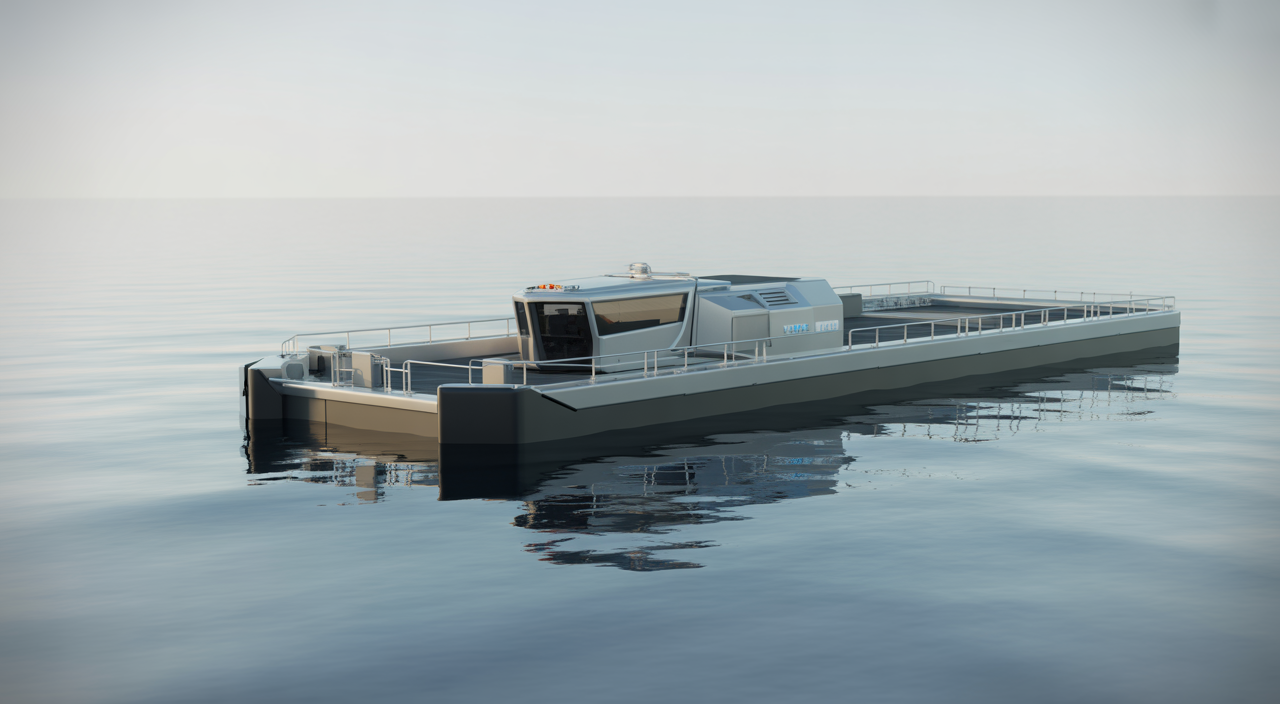
Revolutionize Your Sediment Removal Projects with a Remote Controlled Dredge
Traditional dredging often brings a list of challenges. Think about the safety risks involved in hazardous environments. Consider the high costs of labor and fuel or the difficulties of accessing hard-to-reach areas. These issues can slow down projects and impact your bottom line.
But what if there was a smarter, safer, and more efficient way? Enter the modern remote controlled dredge. This technology is changing how industries manage sediment, sludge, and industrial waste. It’s making operations safer, faster, and much more cost-effective.
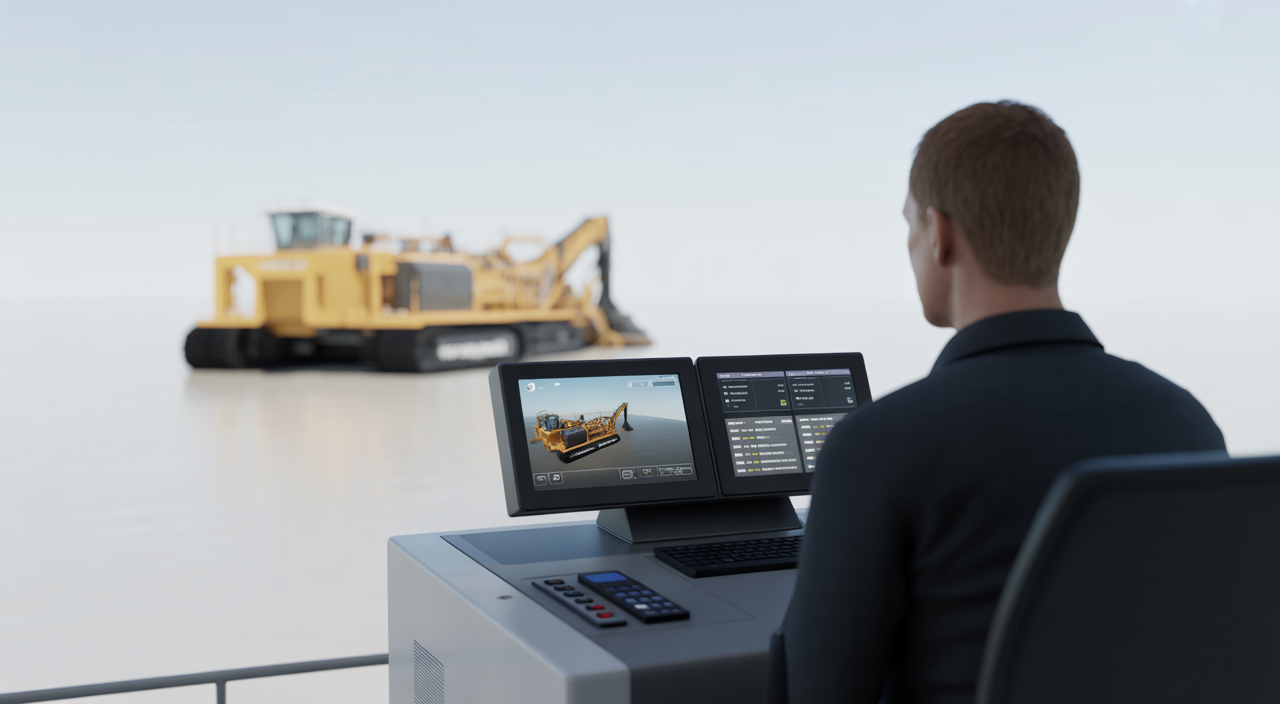
This article will explore the incredible benefits and diverse applications of remote dredging; we’ll also highlight why electric models are truly leading the way. Get ready to discover how this innovative equipment can transform your next project.
What Exactly is a Remote Controlled Dredge?
Simply put, a remote controlled dredge is a specialized machine designed to remove sediment, sludge, and other materials from bodies of water or industrial ponds. The key difference? It operates without an onboard crew. This means an operator controls the dredge from a safe distance, often from shore.
These dredges typically consist of a main unit that floats on the water. This unit houses a powerful pump and cutting head. A control system, usually a handheld remote or a console, sends commands to the dredge. Onboard cameras and sensors provide real-time feedback, allowing for precise navigation and operation. Modern remote dredges have evolved significantly, moving towards even more automated capabilities.
Unparalleled Advantages: Why Remote is the Smart Choice
Choosing a remote dredge offers several compelling benefits. These advantages address many of the pain points associated with traditional dredging methods.
Enhanced Safety for Your Team
- No Human Presence in Harm’s Way: One of the biggest advantages is removing personnel from hazardous or unstable environments. This includes areas with toxic waste, steep banks, or deep water, significantly reducing the risk of accidents and injuries.
- Reduced Exposure: Operators can work from a comfortable and safe location, far from fumes, noise, and physical dangers. This dramatically improves worker well-being and reduces potential liability.
Superior Efficiency and Precision
- Consistent Operation: Remote dredges can operate continuously without human fatigue, leading to faster project completion times. They maintain a consistent pace and performance.
- Precise Navigation: Advanced control systems allow for extremely accurate dredging in hard-to-reach areas. This includes shallow water, confined spaces, and intricate geometries where larger, manned vessels struggle.
- Reduced Downtime: There’s less downtime due to crew breaks, shift changes, or adverse weather conditions that might hinder on-board operations.
Significant Cost-Effectiveness
- Lower Labor Costs: Fewer personnel are needed to operate and monitor the equipment. This translates directly into reduced labor expenses for your project.
- Reduced Insurance Premiums: The enhanced safety profile can often lead to lower insurance costs, offering further savings over the project lifecycle.
- Faster Project Completion: Increased efficiency and continuous operation often mean projects are finished quicker. This saves on overall operational time and associated costs.
The Game Changer: Why Electric Remote Dredges Lead the Way
While remote dredging itself is a leap forward, electric models take these benefits to the next level. They directly address modern demands for environmental responsibility, quiet operation, and lower running costs.
Zero Emissions and Environmental Impact
Electric dredges produce no exhaust fumes. This is critical for sensitive ecosystems, indoor facilities, and particularly vital for maintaining the purity of potable water reservoirs. They help you meet strict environmental regulations and align with corporate sustainability goals. This focus on clean operation is a major win for our planet.
Reduced Noise Pollution
Operating quietly is a huge advantage. Electric models are ideal for projects in urban areas, residential zones, or facilities sensitive to noise. Think about operations near hospitals, schools, or wildlife habitats. Reduced noise also improves working conditions for any nearby personnel.
Lower Operating and Maintenance Costs
One of the most attractive aspects of electric power is the elimination of fuel costs. You also benefit from reduced oil changes and simpler motor maintenance compared to complex diesel engines. Electric motors often have fewer moving parts, leading to less wear and tear and longer operational life. This translates to substantial savings over time.
Consistent Power and Reliability
With a direct power supply, electric remote dredges ensure continuous, consistent performance. There’s no need to refuel, and no performance drop as fuel levels deplete. This reliability means your dredging operations remain smooth and uninterrupted, enhancing the core benefits of a remote controlled dredging solution.
Key Applications of Remote Dredging Technology
The versatility of remote dredges makes them suitable for a wide array of industries and challenges:
- Wastewater Treatment Plants and Lagoons: Essential for efficient sludge removal, maintaining treatment capacity, and ensuring regulatory compliance. Learn more about wastewater treatment solutions.
- Mining Tailings Ponds: Used for extracting valuable minerals from settled tailings or managing hazardous waste safely and effectively.
- Power Plants: Crucial for ash pond cleanout and sediment management in cooling water intake areas.
- Potable Water Reservoirs: Removing accumulated sediment without introducing contaminants or disturbing the water supply.
- Industrial Sump and Pond Cleaning: Managing diverse industrial waste, often involving corrosive or dangerous materials.
- Harbors and Marinas: Maintaining navigable depths in shallow areas or environmentally sensitive zones.
Choosing the Right Remote Controlled Dredge: What to Look For
When considering a remote controlled dredge, several factors should guide your decision. These ensure you invest in the best solution for your specific needs.
- Power Source: As we’ve discussed, electric models offer significant advantages in terms of environment and cost. However, sometimes diesel might be necessary for very remote locations without easy power access.
- Maneuverability and Control System: Look for intuitive controls and advanced features like GPS integration or semi-automation. These features enhance precision and ease of use.
- Pump Type and Capacity: The right pump (e.g., submersible, hydraulic) and its capacity must match the type and volume of material you need to move.
- Durability and Materials: The dredge should be built with robust, corrosion-resistant materials suitable for harsh operating environments.
- Safety Features: Essential features include emergency stop buttons, high-quality cameras, and sensor feedback for optimal awareness.
- Support and Training: Choose a manufacturer with a strong reputation for customer support, spare parts availability, and comprehensive operator training. Consider their dredging equipment services.
Introducing the Mud Cat MC-100E: The Electric Advantage in Action
Having explored the many benefits of remote controlled dredges, it’s time to meet a leading example that embodies these advantages. The Mud Cat MC-100E is an innovative electric remote controlled dredge designed for superior performance.
The MC-100E stands out with its electric power, offering zero emissions and quiet operation. It features a powerful submersible pump, ensuring efficient material removal even in challenging conditions. Its user-friendly remote controls and compact design make it exceptionally maneuverable. This makes it ideal for demanding industrial and municipal applications, especially where environmental considerations are paramount.
The Future of Dredging is Remote and Electric
The shift towards remote and electric dredging is not just a trend; it’s a fundamental improvement in how we approach sediment and sludge management. This technology delivers unmatched safety, superior efficiency, and significant cost savings. Furthermore, electric models champion environmental stewardship, reducing pollution and noise.
By embracing these advanced solutions, industries can achieve cleaner operations, meet regulatory demands, and protect both their personnel and the planet. The future of dredging is here, and it’s looking cleaner, safer, and smarter than ever before.
Frequently Asked Questions (FAQs)
Q1: Can these remote dredges handle all types of sludge and sediment?
A1: Yes, modern remote-controlled dredges are highly versatile. They can be equipped with various types of pumps and cutting heads designed to handle a wide range of materials. This includes thick industrial sludge, abrasive sand, silty sediment, and even some fibrous materials. The specific capabilities depend on the dredge model and its configuration.
Q2: How much training is required to operate a remote-controlled dredge?
A2: Operating a remote-controlled dredge is generally easier and requires less extensive training than traditional manned dredges. Most reputable manufacturers provide comprehensive training programs covering system setup, operation, and basic maintenance. While intuitive, some practice is always beneficial to master precise maneuvering and achieve optimal dredging results.

Roderick Smith is a writer, blogger, and business owner. He has been writing for over 5 years and his blog naouelmoha.net offers valuable information about the business, health, law, and the latest technology. Roderick lives in Nashville with his wife and three children.