
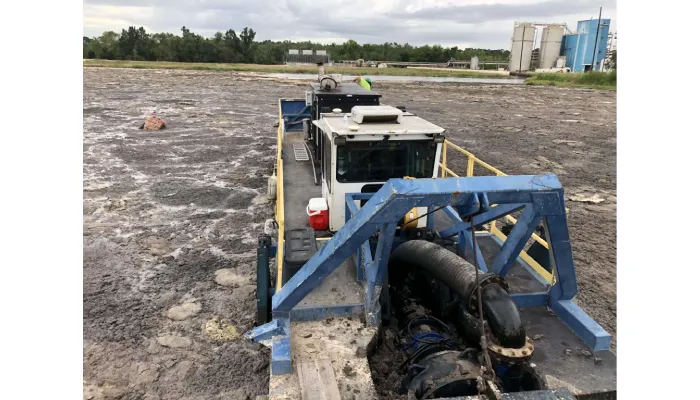
How to Improve Efficiency with Wastewater Dredge?
Wastewater dredging plays a vital role in maintaining the efficiency of treatment facilities by removing unwanted sediment and sludge. This process not only enhances water quality but also prevents operational disruptions that can be costly. With increasing regulations and a growing emphasis on sustainability, adopting innovative technologies like automated systems and real-time monitoring is essential. Regular equipment maintenance, comprehensive staff training, and collaborative planning among stakeholders are best practices that significantly boost dredging efficiency. Moreover, managing dredged materials carefully minimizes environmental impacts while contributing to economic savings. Efficient dredging practices are key to meeting regulatory standards and ensuring cleaner water for all communities.
Understanding Wastewater Dredging
Wastewater dredge is a crucial process involving the removal of sediment, sludge, and other materials from wastewater treatment facilities and water bodies. This activity aims to enhance water quality and boost the efficiency of treatment processes by eliminating built-up solids that can obstruct flow. Common materials removed during dredging include organic sludge, debris, and pollutants that accumulate over time. The relationship between dredging and water quality is significant, as effective dredging can lead to clearer water, improved aquatic habitats, and reduced contamination risks. Factors influencing the need for dredging include sedimentation rates, facility capacity, and regulatory requirements.
Dredging methods can be broadly categorized into mechanical and hydraulic techniques. Mechanical dredging uses equipment like excavators and clamshells, while hydraulic dredging employs pumps to suction up materials. The choice of method often depends on the type of sediment and the specific goals of the project. Additionally, sediment transport plays a vital role in dredging decisions, as understanding how sediments move can help in planning effective dredging strategies.
Climate change is also impacting dredging frequency and methods, as rising water levels and increased rainfall can lead to more sedimentation. Stakeholder involvement is essential in dredging projects, ensuring that community concerns are addressed and that environmental impacts are minimized. Despite its importance, wastewater dredging faces challenges such as budget constraints, equipment maintenance, and compliance with environmental regulations. As technology advances, the future of wastewater dredging looks promising, with innovations aimed at improving efficiency and sustainability.

Role of Dredging in Wastewater Management
Dredging plays a crucial role in wastewater management by ensuring that treatment facilities operate at their best capacity. By removing excess sludge and sediment, dredging prevents the buildup of materials that can disrupt flow and treatment processes. This is essential not only for maintaining efficiency but also for meeting regulatory compliance, as municipalities must adhere to strict water quality standards. Furthermore, regular dredging helps maintain optimal flow rates, which is vital for effective treatment and can prevent costly operational issues that arise from neglect.
Neglecting dredging activities can lead to significant hazards, including flooding, which poses risks to both infrastructure and public health. By proactively managing dredging operations, communities can mitigate these risks and enhance their resilience against environmental challenges. Additionally, dredging contributes to the restoration of natural waterways, improving ecosystem health and water quality. Collaborative efforts between municipalities can further amplify the benefits of dredging, as shared resources and knowledge lead to more effective management practices. Educating the community about these benefits fosters support for dredging initiatives, emphasizing its importance in public health and environmental sustainability.
Recent Trends in Wastewater Dredging
The landscape of wastewater dredging is rapidly evolving, driven by stricter regulations that demand higher standards for water quality. As a result, there is a notable increase in the demand for advanced dredging solutions. Hybrid dredging technologies are emerging, blending traditional methods with innovative practices to enhance efficiency. This shift is not just about meeting regulations; it is also about adopting sustainable dredging practices that minimize environmental impact. The focus on sustainability includes the use of eco-friendly materials in dredging equipment, which further reduces the ecological footprint of these operations.
Moreover, the rise of data-driven decision-making is transforming how dredging projects are planned and executed. Drones and aerial imagery are becoming integral tools, allowing for precise planning and monitoring of dredging activities, ultimately leading to improved outcomes. Collaboration between public and private sectors is on the rise, fostering partnerships that capitalize on resources and expertise to tackle wastewater challenges more effectively.
Investment in research and development is also crucial, as it fuels innovations that enhance dredging efficiency. Trends in sediment reuse and recycling are gaining momentum, ensuring that dredged materials are not simply discarded but repurposed, thus promoting a circular economy. Social media plays a significant role in raising public awareness about dredging issues, highlighting the importance of community engagement in the decision-making process. These trends reflect a vibrant and responsive industry dedicated to improving wastewater management through innovation and collaboration.
Innovative Technologies in Dredging
The landscape of wastewater dredging is evolving at an incredible pace, driven by innovative technologies that enhance efficiency and effectiveness. One of the standout advancements is the introduction of automated dredging systems. These systems not only cut labor costs but also boost precision in sediment removal, ensuring that waste is handled more effectively. Coupled with real-time data analytics, operators can monitor dredging operations as they happen, allowing for quick adjustments that maximize efficiency.
GPS-guided dredging equipment has also transformed the way projects are executed, ensuring that dredging occurs exactly where needed, reducing waste and improving outcomes. The emergence of remotely operated vehicles (ROVs) adds another layer of sophistication, enabling operators to explore and assess areas that may be difficult to access, all while minimizing environmental disturbance.
Innovations in sediment sampling technology provide better insights into the materials being dredged, ensuring that the right methods are employed for disposal or treatment. Furthermore, the use of 3D modeling for dredging project planning allows for comprehensive visualizations, helping teams anticipate challenges and optimize workflows before the dredging even begins.
Mobile apps for dredging management have also entered the scene, providing real-time communication and data sharing among team members, which streamlines operations and enhances decision-making. Environmental sensors play a crucial role in monitoring the impact of dredging, ensuring compliance with regulations and reducing negative effects on surrounding ecosystems.
Additionally, the implementation of AI for predictive maintenance of dredging equipment is a game-changer. It allows for timely repairs and reduces unexpected downtimes, keeping projects on track and within budget. Finally, cost-benefit analysis software helps managers evaluate the financial aspects of dredging projects, ensuring that investments yield significant returns. Overall, these technological innovations are making wastewater dredging smarter, more efficient, and environmentally friendly.
Best Practices to Enhance Dredging Efficiency
To boost efficiency in wastewater dredging, adopting best practices is essential. Start by establishing a comprehensive maintenance program; this ensures that equipment is regularly checked and maintained, maximizing uptime. Regular checks can prevent unexpected breakdowns, which can stall projects and increase costs. Investing in operator training is another key factor, as skilled operators are better equipped to handle complex dredging tasks and make quick adjustments when challenges arise.
Creating a collaborative environment among all stakeholders is crucial. Engaging local communities, governmental bodies, and environmental organizations in the planning process fosters transparency and support for dredging initiatives. Utilizing advanced software for project management enhances planning and execution, enabling real-time tracking of progress and resource allocation. Conducting regular performance assessments helps identify areas for improvement, ensuring operations remain efficient and aligned with goals.
Before execution, developing a detailed dredging plan is vital. This plan should address not only the logistical aspects but also how to monitor environmental impacts throughout the process. Adaptive management strategies are necessary for responding to changing conditions, while eco-friendly practices, like using silt curtains to contain sediment, can significantly reduce ecological disturbances. By implementing these best practices, wastewater dredging operations can become more efficient and effective, ultimately leading to better water quality and enhanced operational performance.
- Establishing a comprehensive maintenance program
- Maximizing equipment uptime with regular checks
- Investing in operator training and skill development
- Creating a collaborative environment among stakeholders
- Utilizing advanced software for project management
- Conducting regular performance assessments of dredging operations
- Developing a detailed dredging plan before execution
- Monitoring environmental impact during dredging
- Adopting adaptive management strategies for changing conditions
- Engaging local communities in the dredging process
Environmental Management in Dredging
Effective environmental management in dredging is crucial for balancing operational needs with ecological preservation. One key strategy is minimizing sediment disturbance, which can be achieved through careful planning and the use of techniques like silt curtains. These barriers help contain sediment and prevent it from dispersing into the surrounding water, protecting aquatic life from harmful effects.
Proper disposal of dredged materials is another critical aspect. Techniques such as recycling or using biodegradable materials can reduce the environmental impact significantly. Additionally, environmental impact assessments (EIAs) play a vital role in identifying potential risks before dredging activities begin. By collaborating with environmental organizations, dredging companies can adopt best practices that align with sustainability goals.
Monitoring aquatic life during dredging is essential to ensure that ecosystems remain intact. Incorporating habitat restoration in project planning not only mitigates damage but also enhances the surrounding environment post-dredging. Public education regarding the environmental aspects of dredging fosters community support and awareness, ultimately leading to better practices and healthier waterways.
Economic Benefits of Efficient Dredging
Efficient dredging in wastewater management brings significant economic advantages. One of the most immediate benefits is cost savings from reduced operational disruptions. Facilities that regularly maintain their dredging processes can avoid unexpected shutdowns and the associated costs of emergency repairs. Over the long term, these practices can extend the lifespan of treatment facilities, sparing communities from hefty replacement costs. Moreover, improved dredging efficiency can foster job creation within the dredging sector, as the demand for skilled workers in innovative technologies and eco-friendly practices grows.
The economic impact of enhanced water quality is also profound, positively influencing local economies. As water bodies become cleaner, property values tend to rise, attracting businesses and residents alike. A cost-benefit analysis of sustainable dredging practices often shows that the initial investment in technology pays off through ongoing savings and improved environmental conditions. Financial incentives, such as grants and funding opportunities, are increasingly available to support dredging projects, allowing municipalities to take action without overwhelming their budgets.
Additionally, efficient dredging can boost tourism and recreational activities, as clean waterways draw visitors and enhance community pride. Case studies from various regions demonstrate how successful dredging initiatives have revitalized local economies, showcasing a clear link between effective dredging practices and broader economic growth.
Success Stories in Wastewater Dredging
Across the United States, municipalities have embraced innovative dredging initiatives that not only enhance wastewater management but also contribute positively to local ecosystems. For example, the City of San Diego implemented a successful dredging project in its Mission Bay, which improved water quality and restored natural habitats for wildlife. This project not only helped in managing sediment but also created recreational areas for the community, such as parks and waterfronts that are now bustling with activity.
Collaborations between public agencies and private companies have yielded significant community benefits as well. In Florida, a joint effort between local governments and environmental organizations focused on dredging the St. Johns River, successfully reducing flooding risks while revitalizing the surrounding areas. This partnership not only tackled immediate drainage issues but also enhanced local fisheries, proving that effective dredging can work hand-in-hand with ecosystem restoration.
Technology plays a key role in these success stories. In Chicago, the integration of real-time monitoring systems in dredging operations allowed for more precise sediment removal, which led to efficiency gains and cost savings. Such advancements have made it possible to manage wastewater more effectively, with the added benefit of reducing operational costs by nearly 20% in some cases.
Community engagement has also proven essential in these successful dredging outcomes. In Portland, Oregon, local residents were actively involved in the planning phases of a major dredging project in the Willamette River, leading to a project that addressed both environmental concerns and recreational needs. The recognition received by these municipalities for excellence in dredging practices highlights the importance of engaging communities in environmental initiatives.
These success stories illustrate the potential of wastewater dredging to not only improve efficiency but also enrich local ecosystems, enhance community spaces, and deliver economic benefits.
Regulations Affecting Dredging Operations
Dredging operations are heavily influenced by a variety of national and local regulations designed to protect water quality and the environment. A key piece of legislation in the U.S. is the Clean Water Act, which sets forth the framework for regulating discharges of pollutants into waters. This act has significant implications for dredging activities, requiring permits that ensure compliance with water quality standards. Obtaining these permits often involves a detailed application process, including environmental assessments that evaluate potential impacts on local ecosystems.
State and federal agencies, such as the Environmental Protection Agency (EPA) and local environmental departments, play crucial roles in overseeing dredging operations. They not only enforce compliance but also help guide project planners through the regulatory maze. Regulations can significantly affect project timelines and costs, as delays in securing permits can stall operations, leading to increased expenses.
Public input is another vital aspect of the regulatory process. Many dredging projects require public hearings where community members can voice concerns, which can influence project decisions and timelines.
Real-world examples illustrate regulatory challenges faced by dredging operations. For instance, a municipality may struggle to obtain a permit due to concerns about the impact of dredging on local fish populations, leading to project delays. To navigate these challenges effectively, best practices include engaging with regulatory agencies early in the planning process and staying informed about evolving regulations.
Looking ahead, future regulatory trends in wastewater dredging may focus on stricter environmental standards and increased public engagement, driving the need for innovative approaches that ensure compliance while improving operational efficiency.
Future Trends in Wastewater Dredging
The future of wastewater dredging is set to transform dramatically with technological advancements on the horizon. We can expect innovations in automation to play a crucial role in streamlining dredging operations, reducing the need for manual labor and enhancing precision in sediment removal. Alongside this, the integration of artificial intelligence will revolutionize dredging planning, allowing for data-driven decisions that optimize resource allocation and operational efficiency.
As sustainability becomes a priority, dredging solutions are increasingly focusing on eco-friendly methods and materials. New techniques that minimize environmental impact, such as using biodegradable dredging equipment, are gaining traction. Regulatory changes will also shape the future landscape of dredging practices, pushing for stricter compliance with environmental standards and encouraging the adoption of best practices.
Public-private partnerships will be essential in driving these advancements, as collaboration can lead to innovative financing models and resource sharing. Emerging research areas will further enhance dredging efficiency, exploring novel materials and methods that align with global trends in wastewater management. Furthermore, community engagement in future projects will be vital to ensure transparency and public support, ultimately leading to more successful and sustainable dredging initiatives.

Roderick Smith is a writer, blogger, and business owner. He has been writing for over 5 years and his blog naouelmoha.net offers valuable information about the business, health, law, and the latest technology. Roderick lives in Nashville with his wife and three children.