
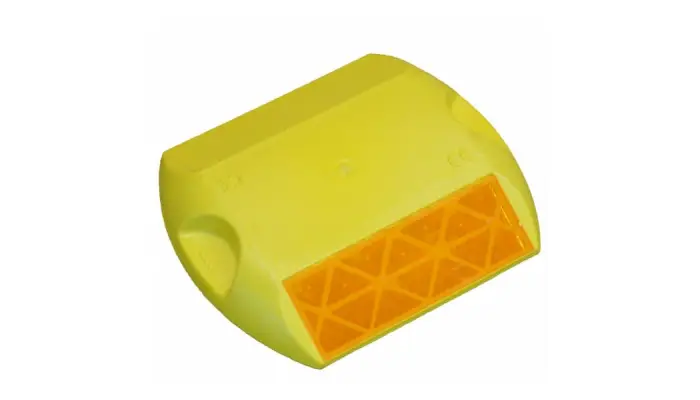
What Are Raised Pavement Markers and Why They Matter?
Road safety is a critical concern for transportation agencies, urban planners, drivers, and pedestrians alike. One of the simplest yet most effective tools in promoting road safety and efficient traffic flow is the Raised Pavement Marker. Often overlooked by everyday commuters, these small devices play a vital role in ensuring that drivers remain safe and informed on the road. This article explains what raised pavement markers are, their types, how they work, and why they matter for drivers, municipalities, and communities at large.
What Are Raised Pavement Markers?
Raised pavement markers (RPMs) are devices installed on road surfaces to provide visual and tactile guidance to motorists. Unlike painted lane lines, RPMs are physical markers that stand above the road surface. They are designed to improve lane visibility, especially in low-light conditions, inclement weather, or during nighttime driving.
These markers are typically made from durable materials such as plastic, ceramic, glass, or metal, depending on the environment and the desired function. Their reflective surfaces, sometimes enhanced with retroreflective elements, catch headlights and help drivers easily identify lane boundaries, road edges, curves, and other important road features.
In essence, raised pavement markers serve as a guiding tool for drivers, especially in situations where traditional road markings may be hard to see.
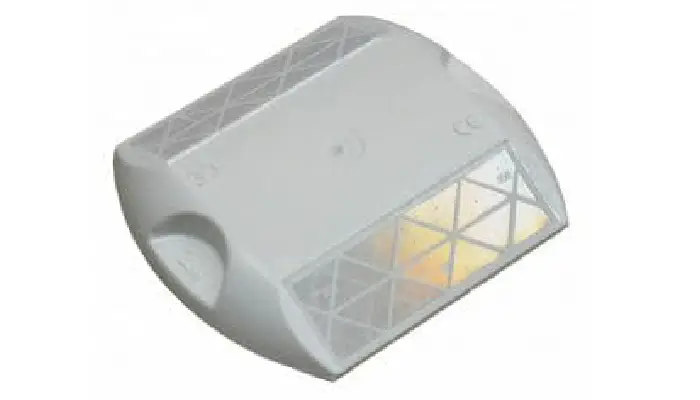
Types of Raised Pavement Markers
There are several types of RPMs, each serving different functions based on location, traffic density, and road conditions.
1. Reflective Raised Pavement Markers
These are the most common types of RPMs. They are embedded with reflective elements that catch vehicle headlights and direct them back to the driver, improving visibility during nighttime driving.
2. Non-Reflective Raised Pavement Markers
Non-reflective markers are used in areas where reflectivity is not needed, such as on private roads or in specific lane-use areas. They provide tactile feedback but are not designed for visibility enhancement.
3. Cat’s Eye Markers
These are among the earliest designs of RPMs and consist of small reflective beads encased in rubber or metal housing. Cat’s eyes bounce light back toward drivers, helping with lane recognition in foggy or dark conditions.
4. Solar-Powered or LED Markers
More advanced RPMs incorporate solar panels and LEDs to actively illuminate the road. These are often used in high-risk areas, such as sharp curves, intersections, and pedestrian crossings.
5. Thermoplastic or Epoxy Markers
Some RPMs are combined with thermoplastic or epoxy materials that adhere strongly to the road surface, ensuring durability in high-traffic areas.
Why Raised Pavement Markers Matter?
1. Improved Nighttime Visibility
One of the primary reasons raised pavement markers are essential is that they improve visibility when natural light is limited. Headlights from vehicles are reflected by RPMs, guiding drivers through curves, lane divisions, and intersections with greater ease. This reduces the likelihood of accidents caused by poor road visibility.
2. Enhanced Safety During Adverse Weather
Rain, fog, snow, and other weather conditions can obscure painted lane markings, making it harder for drivers to stay on course. Raised pavement markers, being physical and often reflective, remain visible when paint becomes washed out or covered. This makes them indispensable in regions prone to extreme weather conditions.
3. Lane Guidance and Traffic Control
RPMs help direct traffic, especially in areas with multiple lanes or where lane merges occur. For highways, tunnels, bridges, and off-ramps, these markers guide drivers and prevent lane drifting, which is a common cause of collisions.
4. Durability and Maintenance Benefits
Painted lines fade quickly under traffic pressure and environmental wear, requiring frequent repainting. RPMs, however, are designed to last several years with minimal maintenance. Their long lifespan translates into cost savings for transportation departments while reducing disruptions caused by roadwork.
5. Driver Awareness and Psychological Comfort
Raised pavement markers provide a sense of security to drivers, reinforcing lane discipline and alerting them to changes in road conditions. Even subtle vibrations or sounds generated when a vehicle strays from its lane serve as warnings, reducing the chances of distraction or drowsy driving incidents.
6. Pedestrian and Cyclist Protection
By clearly marking crosswalks, turn lanes, and bike lanes, RPMs protect vulnerable road users. Well-marked zones help pedestrians and cyclists navigate safely and encourage vehicles to slow down and respect designated areas.
Where Are Raised Pavement Markers Used?
RPMs are strategically deployed across various types of roadways and traffic scenarios. Their application depends on location-specific needs, traffic density, and potential hazards.
Highways and Freeways
High-speed roads require clear and consistent lane markings. RPMs help drivers maintain proper spacing and prevent accidents caused by lane departure.
Urban Roads and Intersections
In areas with complex traffic patterns, intersections, and pedestrian crossings, raised pavement markers improve coordination and alert drivers to abrupt lane shifts or pedestrian zones.
Mountainous and Rural Roads
Sharp turns, narrow lanes, and sudden elevation changes make these roads particularly dangerous. Reflective RPMs ensure drivers can anticipate curves and safely navigate.
Work Zones
Temporary RPMs are used in construction zones to direct traffic safely around hazards. Their visibility ensures drivers remain alert in areas with changing layouts.
Airport Runways and Parking Lots
Specialized RPMs guide aircraft, service vehicles, and passenger cars where lane delineation and directional guidance are critical.
Installation and Maintenance
Proper installation is critical to ensure that raised pavement markers function as intended. Key considerations include:
- Surface Preparation – The road surface must be clean, dry, and free of loose debris to ensure strong adhesion.
- Correct Placement – RPMs must be spaced according to traffic engineering guidelines to provide consistent guidance without overwhelming drivers.
- Weather Compatibility – Materials are selected based on local climate and environmental wear, ensuring durability and performance.
- Periodic Inspections – Routine checks ensure that markers are intact, visible, and properly aligned.
- Replacement Cycles – Depending on usage and wear, RPMs are replaced every few years or after significant road maintenance.
The Future of Raised Pavement Markers
Advancements in technology are continuously enhancing the effectiveness of RPMs. Smart markers embedded with sensors, connected to vehicle systems or traffic management networks, are being explored to create safer and more efficient roadways.
Key developments include:
- Adaptive Lighting Systems – Markers that adjust brightness based on ambient conditions.
- Vehicle-to-Infrastructure Communication – RPMs communicating with driver-assist systems to warn about hazards.
- Sustainable Materials – Use of recyclable, environmentally friendly components to reduce the carbon footprint.
- AI-Based Traffic Monitoring – Markers integrated into networks that track traffic flow and alert emergency services in case of incidents.
Conclusion
Raised pavement markers are small but mighty components of modern road infrastructure. They improve safety, enhance visibility, guide traffic, and reduce maintenance costs. From highways to urban streets, adverse weather zones to complex intersections, RPMs serve as silent yet steadfast guardians on the road.

Roderick Smith is a writer, blogger, and business owner. He has been writing for over 5 years and his blog naouelmoha.net offers valuable information about the business, health, law, and the latest technology. Roderick lives in Nashville with his wife and three children.