
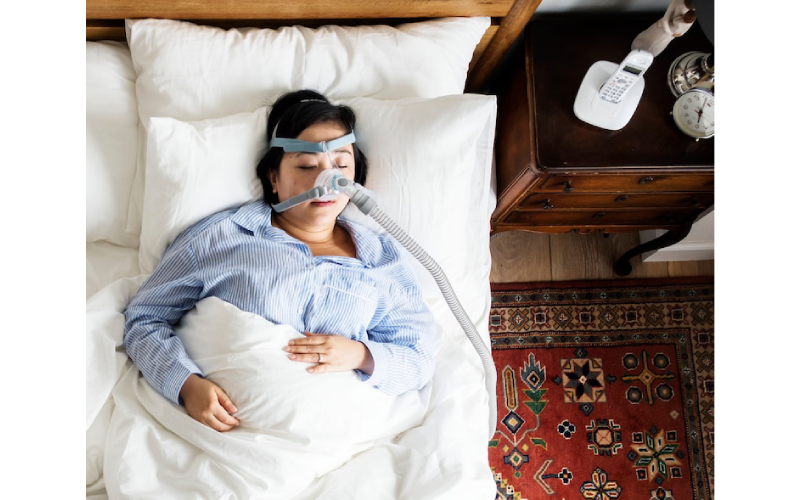
What Happens During a Home Sleep Apnea Test?
Home sleep apnea tests (HSATs) are crucial for diagnosing obstructive sleep apnea (OSA). To begin, one must obtain a prescription from a healthcare provider who suspects OSA based on symptoms like loud snoring or excessive daytime drowsiness. The test involves simple equipment, including a nasal breathing sensor and a pulse oximeter to track oxygen levels while you sleep in your own bed. The procedure is straightforward: follow your usual bedtime routine and avoid stimulants. Data collected, such as breathing patterns and heart rate, then undergoes analysis by a specialist. Results typically arrive in days, guiding further treatment options if necessary.
1. Purpose of the Home Sleep Apnea Test
Home sleep apnea test (HSATs) serve a vital role in diagnosing obstructive sleep apnea (OSA) by tracking breathing patterns and oxygen levels while you sleep. They are particularly beneficial for individuals exhibiting classic symptoms, such as excessive daytime drowsiness, loud snoring, or episodes where breathing stops during sleep. By providing essential data on the frequency and severity of apneas and hypopneas, HSATs often act as the first step in identifying sleep-related breathing disorders.
These tests aim to collect data in the comfort of your own home, which can alleviate the anxiety some may feel about sleeping overnight in a clinical environment. This convenience not only facilitates quicker diagnoses but also allows for timely interventions when necessary. Additionally, HSATs can be a useful tool for monitoring the effectiveness of ongoing treatments for sleep apnea. Overall, they contribute significantly to a better understanding and management of sleep health.

2. Preparing for the Sleep Test
Prior to undergoing a home sleep apnea test, it’s essential for patients to have an in-depth discussion with their healthcare provider about their medical history and any symptoms they may be experiencing. This conversation helps to ensure that the test is appropriate and tailored to their specific needs. On the night before the test, patients should refrain from using sedatives or sleep aids, as these can interfere with the accuracy of the results.
In the days leading up to the test, it might be beneficial for patients to keep a record of their sleep patterns, which can provide valuable context for their symptoms. Maintaining a comfortable sleep environment is also crucial; a quiet, dark room can promote better sleep quality during the test.
Understanding how to properly use the testing equipment is vital. Patients should take the time to familiarise themselves with the devices beforehand, and practising the setup can help alleviate any anxiety about the process. It’s also advisable to keep a regular sleep schedule in the days prior to the test, as this can help optimise sleep quality. Moreover, informing family members about the test can reduce disturbances during sleep, allowing for a more accurate assessment. Lastly, limiting or avoiding caffeine and alcohol is recommended, as these substances can negatively impact sleep quality.
- Patients should discuss their medical history and symptoms with their healthcare provider prior to the test.
- It is important to avoid sedatives or sleep aids the night before the test as they may interfere with results.
- Patients may need to record their sleep patterns for a few days leading up to the test to provide context for their symptoms.
- Ensuring a comfortable sleep environment is crucial for accurate results.
- Patients should have a clear understanding of how to use the equipment before the test night.
- Practising the setup of the equipment can help ease anxiety about the testing process.
- It is advisable to maintain a regular sleep schedule in the days leading up to the test.
- Patients should also consider informing family members about the test to reduce disturbances during sleep.
- Patients may need to limit or avoid caffeine and alcohol, as they can affect sleep quality.
- Having a quiet, dark room can help improve sleep during the test.
3. Equipment Used in Home Testing
During a home sleep apnea test, several essential pieces of equipment are used to gather accurate data about your sleep patterns. The nasal breathing sensor is crucial, as it detects airflow through the nostrils, helping to identify any pauses in breathing known as apneas. Alongside this, a pulse oximeter is typically placed on your fingertip to measure your blood’s oxygen saturation levels in real-time, providing vital information about your respiratory function during sleep.
Although less common in home settings, effort belts can be included to monitor the movement of your chest and abdomen, giving additional data on your respiratory effort. Some systems also come equipped with microphones that capture sound data, which helps in identifying snoring patterns or other noises that may occur during the night.
All these sensors connect to a data collection device that records the information for later analysis. Additionally, certain devices may feature accelerometers that track your body position while you sleep, which can be relevant for understanding how your position affects your breathing.
The equipment is designed to be lightweight and comfortable, ensuring it does not interfere with your sleep. Before starting the test, it’s important to familiarise yourself with how to wear and adjust the sensors properly, ensuring they function correctly and provide accurate readings. Most devices are battery-operated, offering flexibility in setup without requiring access to power outlets, allowing you to create a comfortable sleep environment.
4. Overview of the Testing Procedure
The home sleep apnea test is typically set up before bedtime, allowing patients to unwind and prepare for sleep. Patients are encouraged to sleep in their usual position, as this helps capture accurate data related to their natural sleep patterns. Prior to the test, clear instructions on how to properly wear and adjust the equipment will be provided, ensuring that everything is in place for a successful night of monitoring. Once the patient falls asleep, the test usually starts automatically, eliminating the need for any manual activation, which helps create a more relaxed environment. If any discomfort or issues arise with the equipment during the night, patients should report these concerns immediately after waking up. To further assist in the analysis, patients may be asked to keep a sleep diary, noting any potential factors that could influence the results, such as medications or stress levels. The entire procedure generally lasts the whole night, capturing data for a minimum of 6 to 8 hours. After the test, patients return the equipment for analysis, often through a secure drop-off or mailing method. Following any specific guidelines given by the healthcare provider is crucial for accurate results, and the overall experience should be as stress-free as possible to ensure natural sleep.
5. Key Measurements During the Test
During a home sleep apnea test, several key measurements are taken to accurately assess the presence and severity of obstructive sleep apnea. First, breathing patterns are closely monitored, including the frequency of apneas, which are pauses in breathing, and hypopneas, which refer to shallow breathing. This data is crucial as it helps to determine how often these interruptions occur throughout the night.
Blood oxygen levels are also continuously tracked, as drops in oxygen saturation can signal apneic events. For instance, a significant dip in oxygen levels may indicate a severe episode of sleep apnea, necessitating further evaluation. Additionally, heart rate is recorded, providing insight into how the body responds to these interruptions in breathing. An elevated heart rate during apneas can reveal the stress the body experiences during these episodes.
Another important measurement is airflow resistance, which helps to gauge the severity of any airway obstruction. This data can illustrate how constricted the airway becomes during sleep, further informing the diagnosis. Some tests may even capture the frequency and intensity of snoring, which can be an indicator of the severity of the condition.
The timing and duration of these breathing interruptions are also critical for accurate diagnosis. For example, if apneas occur predominantly during certain sleep positions, this information can help tailor treatment options. Furthermore, position changes during sleep are monitored, as they can influence the severity of apneas, highlighting the importance of sleep posture.
Lastly, while home sleep tests primarily focus on the aforementioned measurements, they may also provide limited data on overall sleep duration and quality, though this is not as comprehensive as what is typically obtained in a lab setting. Taken together, these measurements form a detailed picture that aids healthcare providers in diagnosing obstructive sleep apnea and determining its severity.
6. Data Analysis Process After Testing
After completing the home sleep apnea test, the collected data is carefully downloaded and reviewed by a qualified sleep specialist or healthcare provider. The analysis typically involves assessing the number of apneas (pauses in breathing) and hypopneas (shallow breathing) that occurred per hour during the patient’s sleep. The severity of sleep apnea is categorised using the Apnoea-Hypopnoea Index (AHI), which helps in determining the impact of the condition on the patient.
The specialist will also look for specific patterns in the data to identify whether the patient is experiencing obstructive sleep apnea or other sleep disorders. This comparison with normal breathing metrics assists in establishing a clear diagnosis. Additionally, software tools may aid in presenting the data visually, making it easier to understand trends and anomalies.
It’s important to note that the analysis process may take several days, depending on the volume of tests being processed at the clinic. Once the analysis is complete, consultations are scheduled for patients to discuss the findings and the next steps. In some instances, further tests may be recommended based on the initial results, ensuring that the patient receives a comprehensive and actionable diagnosis to guide their treatment options.
7. Understanding Results and Follow-Up
Results from a home sleep apnea test are typically shared within a week, which allows for timely discussions about the findings. Patients will receive a summary that indicates whether sleep apnea is present and its severity. If sleep apnea is confirmed, various treatment options might be suggested, including lifestyle changes, CPAP therapy, or referrals for further evaluation.
During the follow-up discussion, healthcare providers will address any patient concerns and manage expectations regarding treatment. In cases where results are inconclusive, an in-lab test may be recommended to gather more comprehensive data. It’s important for patients to actively engage in this process by asking questions about their results and potential treatment options.
Documentation of the results is often provided, allowing patients to share their findings with other healthcare providers. Understanding the implications of the results is key for fostering patient engagement in their health management. Regular follow-up appointments may be necessary to monitor treatment effectiveness. Additionally, patients should be aware that lifestyle factors, such as diet and exercise, can significantly impact their sleep health, and these should be discussed during follow-ups.
8. Advantages of Home Sleep Tests
Home sleep tests offer a range of benefits that make them an appealing option for diagnosing sleep apnea. The convenience of conducting the test in the comfort of one’s home allows patients to avoid the stress and unfamiliarity of a sleep lab. This familiar environment can significantly reduce anxiety, potentially leading to a more accurate assessment of sleep quality. Additionally, these tests are generally more affordable than traditional in-lab studies, making them accessible to a broader range of patients. Many insurance plans also cover home sleep tests, further alleviating financial concerns.
By allowing patients to maintain their usual routines during the test, home sleep tests can yield results that better reflect a person’s typical sleep patterns. This aspect is crucial for an accurate diagnosis. The setup process is typically quick and straightforward, which means that patients can receive feedback on their sleep health sooner, often motivating them to make necessary lifestyle changes. Most patients exhibiting clear symptoms of sleep apnea are suitable candidates for these tests, enabling healthcare providers to efficiently manage follow-ups and make adjustments to treatment plans. Moreover, the simplicity of the equipment used encourages ease of use, effectively lowering barriers to diagnosis.
9. Limitations of Home Sleep Tests
Home sleep tests, while convenient, have several limitations that can impact their effectiveness in diagnosing sleep apnea. One significant drawback is their inability to monitor brain activity, which means they cannot provide a complete picture of the various sleep stages. This limitation can hinder accurate diagnoses, particularly for mild cases of sleep apnea that may require more detailed laboratory tests for confirmation.
Another concern is the potential for equipment malfunction. Sensors can become dislodged during the night, leading to compromised data quality. Additionally, some patients may struggle with understanding how to set up or use the equipment properly, which can result in errors during data collection. Those with complex sleep disorders or significant medical issues may find home tests unsuitable, as these tests do not capture the full spectrum of their symptoms, such as restless leg syndrome.
Comfort can also be an issue, as some patients might find the equipment uncomfortable to wear while sleeping. Moreover, test conditions can vary greatly between individuals, affecting the consistency of results. If a home test yields inconclusive results, healthcare providers may still recommend additional tests to confirm a diagnosis. Finally, patient compliance is crucial; those who have difficulty sleeping with the equipment may not achieve reliable results, ultimately impacting the overall diagnostic capability.
10. When to Consider In-Lab Testing
In certain cases, in-lab testing becomes essential for a proper diagnosis of sleep disorders. Individuals with complex medical histories, such as those with heart disease or other significant health issues, may require a thorough evaluation in a sleep lab. This environment allows for detailed monitoring of vital signs and brain activity, providing a comprehensive view of the patient’s sleep patterns. When central sleep apnea is suspected or when other sleep disorders, like narcolepsy, are in question, a standard home sleep apnea test may not suffice.
Moreover, if a patient receives inconclusive results from a home test or continues to experience severe symptoms despite negative findings, further investigation through in-lab testing may be warranted. The controlled setting of a sleep lab also enables the assessment of sleep-related behaviours that can aid in diagnosis. Patients who find it challenging to use home testing equipment or who experience issues during the test can benefit from immediate assistance from sleep technologists in a lab setting, ensuring accurate results. Ultimately, the decision for in-lab testing should be based on individual circumstances and guided by medical advice.
Frequently Asked Questions
1. What is a home sleep apnea test and why is it done?
A home sleep apnea test is a way to check if you have sleep apnea, a condition that affects your breathing while you sleep. It is done to help diagnose any sleep issues and plan the right treatment.
2. What should I expect when I take a home sleep apnea test?
During the test, you’ll wear some devices that monitor your breathing, heart rate, and oxygen levels while you sleep. It feels a bit strange at first, but it’s designed to be comfortable and won’t keep you awake.
3. How long will I need to wear the sleep apnea equipment?
You will typically need to wear the equipment for one night, as this is enough time to gather the information needed to assess your sleep patterns.
4. Can I continue my normal bedtime routine before the test?
Yes, you can go about your usual bedtime routine before the test. It’s best to stick to your normal habits to get the most accurate results.
5. What happens after I complete the home sleep apnea test?
After you complete the test, you will return the equipment, and a doctor will review the data. They will then discuss the results with you and any next steps, if necessary.
TL;DR A home sleep apnea test (HSAT) is primarily designed to diagnose obstructive sleep apnea (OSA) by monitoring breathing and oxygen levels during sleep. Preparation includes obtaining a prescription and possibly a virtual consultation. The test uses equipment like a nasal breathing sensor, pulse oximeter, and data collection device, conducted overnight in the patient’s home. Key measurements include breathing patterns and oxygen saturation. Following the test, a sleep specialist analyses the data to determine the presence and severity of sleep apnea. Results are typically available within days, leading to various treatment options if sleep apnea is confirmed. While home tests are convenient and cost-effective, they have limitations, such as not assessing brain activity. In certain cases, in-lab testing may be necessary for a comprehensive evaluation.

Roderick Smith is a writer, blogger, and business owner. He has been writing for over 5 years and his blog naouelmoha.net offers valuable information about the business, health, law, and the latest technology. Roderick lives in Nashville with his wife and three children.