
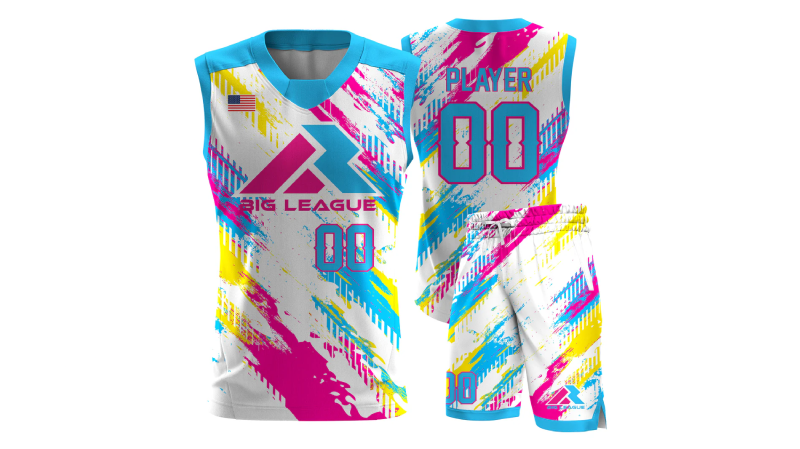
Why Material Matters in Youth Basketball Jerseys?
Choosing the right material for youth basketball jerseys matters because it affects performance, comfort and durability. Lightweight fabrics like polyester are popular as they wick moisture away quickly, keeping players dry and focused during fast-paced games. Mesh is great for outdoor or hot weather play since its open weave gives better ventilation, though it might not last as long as polyester or nylon. Nylon brings strength and elasticity but can trap sweat, making it less comfortable over time. Also, materials influence how well designs hold up after washes, impacting team spirit through vibrant colours that don’t fade easily. Overall, picking suitable fabric helps young athletes feel confident and perform their best on court.
How Fabric Affects Comfort and Performance in Youth Basketball?
In youth basketball jerseys, the fabric of a jersey plays a crucial role in both comfort and performance. Jerseys need to be lightweight and breathable to accommodate intense activity and rapid movements on the court. Polyester is a popular choice because it allows air to circulate, helping players stay cool by wicking moisture away from the skin. This moisture-wicking ability reduces sweat build-up, which otherwise can cause discomfort and distraction during play. Mesh fabrics take breathability a step further with their open-weave design, greatly improving airflow and helping regulate body temperature, especially in warmer conditions or outdoor games. While nylon offers excellent stretch and durability, it tends to trap heat and moisture, which might make players feel less comfortable during prolonged use. The weight of the fabric also influences how free players feel; lighter materials are generally preferred as they don’t restrict movement or add unnecessary bulk. Stretch in the fabric is equally important to support quick changes in direction and jumping without restricting motion. A good jersey balances durability and softness so it feels comfortable against the skin yet withstands frequent wear and washing without losing shape. Proper ventilation through fabric choice decreases the risk of overheating and fatigue, which is vital for maintaining energy and focus throughout the game.
- Jerseys must be lightweight and breathable to support intense activity and rapid movements.
- Polyester is widely used for its breathability and ability to keep players cool during play.
- Moisture-wicking fabrics prevent sweat accumulation, reducing discomfort and distraction.
- Mesh fabrics improve airflow significantly, helping regulate body temperature in hot conditions.
- Nylon offers stretch and durability but can trap heat and moisture, affecting comfort.
- Fabric weight impacts how free players feel on the court: lighter materials are preferred.
- Good fabric stretch supports quick changes in direction and jumping without restricting motion.
- A balance of durability and softness ensures the jersey feels good against the skin while lasting long.
- Materials that maintain shape avoid sagging or discomfort after repeated use.
- Proper ventilation through fabric choice decreases risk of overheating and fatigue.

Durability Factors in Basketball Jersey Materials
Youth basketball jerseys endure frequent washing and rough handling, so the choice of fabric plays a crucial role in their durability. Polyester is a popular option because it resists colour fading and maintains its shape well over time, even after numerous washes, making it ideal for teams needing long-lasting uniforms. Nylon offers excellent abrasion resistance, which helps jerseys withstand scrapes and pulls typical during intense play. However, while mesh fabrics provide superb breathability thanks to their open weave, they tend to tear more easily under physical stress, so they may not be the best choice for very rough games. Blended fabrics that include spandex improve flexibility and allow players to move freely, but the blend must still maintain sufficient strength to prevent early wear and tear. Beyond fabric type, the quality of seam construction and stitching significantly impacts jersey longevity; high-quality stitching combined with tough fabrics ensures seams hold up under strain and washing. Resistance to UV damage is also important, especially for outdoor use, as it prevents fabric breakdown and colour fading from sun exposure. Additionally, durable materials help keep logos and prints intact, maintaining the jersey’s appearance throughout the season. Overall, selecting resilient materials and well-made seams reduces the need for frequent replacements, which is beneficial for both teams and parents managing costs.
Moisture-Wicking Benefits of Synthetic Fabrics
Synthetic fabrics like polyester and mesh play a crucial role in youth basketball jerseys because they wick sweat away from the skin about 25-30% faster than cotton. This quicker moisture removal keeps players feeling dry and comfortable, which is especially important during intense games or back-to-back practises. When sweat is efficiently drawn away and evaporated, it helps regulate body temperature, preventing overheating and allowing young athletes to maintain focus without distraction from discomfort. Unlike natural fibres such as cotton or wool, synthetic moisture-wicking materials reduce chafing and skin irritation, common issues that can disrupt performance. Jerseys made from these fabrics also dry quickly, so players aren’t left with heavy, clingy clothing weighing them down as they move. Additionally, the breathable nature of mesh fabrics encourages air circulation, speeding up the drying process and further enhancing comfort in both indoor and outdoor environments. Proper moisture control also lowers the risk of rashes and heat-related discomfort, while limiting bacterial growth to maintain hygiene. These benefits combine to support better performance and a more enjoyable playing experience for young basketball players.
Flexibility and Movement: Choosing the Right Material
In youth basketball, the ability to move freely is essential, making fabric flexibility a key factor in jersey selection. Materials blended with spandex offer four-way stretch, allowing young players to perform jumps, quick cuts, and rapid changes in direction without restriction. Nylon blends add resilience to the fabric, maintaining elasticity while supporting unrestricted motion during intense play. This stretchability not only enhances performance but also reduces the risk of injuries by permitting natural muscle and joint movement. However, it’s important to balance elasticity as too much spandex can make jerseys clingy and uncomfortable for some players. A good jersey material recovers well after stretching, preserving its fit and appearance throughout the season. Flexible fabrics encourage confidence on the court by letting players focus on their game rather than feeling confined. Additionally, these materials help maintain the uniform’s shape despite the physical demands of basketball, avoiding sagging or overstretching that can distract or hinder performance. Choosing the right balance between stretch and support is crucial to ensure jerseys provide both comfort and durability, ultimately supporting better performance in this fast-paced sport.
Customisation Options Based on Jersey Fabric
The fabric chosen for youth basketball jerseys plays a crucial role in determining the customisation options available. Polyester is the preferred choice for sublimation printing, allowing vibrant, detailed colours and designs that remain sharp and durable over time. This method ensures logos, numbers, and team names resist cracking or fading, maintaining a professional look even after repeated washes. Mesh fabrics, with their open weave, require denser stitching or alternative printing techniques to ensure designs adhere properly, as traditional methods may not hold well or appear clear. The texture of the fabric directly influences how embroidery or prints settle on the surface; smoother synthetics typically provide better adhesion and sharper visuals compared to coarser or more porous materials. Eco-conscious teams can opt for recycled polyester, which offers the same high-quality customisation capabilities while reducing environmental impact. Importantly, the breathability of the material must be considered during customisation, excessive layers of print or heavy embroidery on breathable fabrics like mesh can block airflow, potentially reducing comfort during play. Ultimately, the choice of fabric affects not only the longevity and vibrancy of customised elements but also the complexity and cost of applying them, with synthetic fabrics generally offering superior colour fastness and durability compared to cotton alternatives.
Environmental Impact and Practical Care Tips
Many modern youth basketball jerseys now use polyester fabrics made from recycled plastics, which helps reduce the overall environmental footprint. Durable materials mean jerseys last longer, cutting down on waste and the need for frequent replacements. Choosing sustainable fabrics not only supports eco-friendly sports programmes but also encourages a more responsible approach to youth sportswear. Proper care is equally important: washing jerseys in cold water and air drying them preserves the fabric’s integrity and reduces energy consumption. Avoiding high heat in washing and drying prevents damage like shrinkage or loss of shape, extending the jersey’s lifespan and saving money over time. However, some fabric treatments designed to improve moisture-wicking or stretch can impact recyclability, so it’s useful to opt for simpler finishes when possible. Recycling worn-out jerseys contributes to a circular textile economy, further lowering environmental impact. Lightweight materials also help reduce transport emissions, as lighter shipments require less fuel. Educating teams and young players on how to care for their jerseys not only maintains a sharp, uniform appearance but also fosters a culture of sustainability within the sport.
Special Material Features for Different Play Conditions
Different play environments and conditions demand specific material features in youth basketball jerseys to enhance performance and comfort. For hot, outdoor games, mesh jerseys are highly effective as they reduce sweat rates by over 30% thanks to their excellent ventilation, helping players stay cool. Nylon is prized for its abrasion resistance, making it suitable for physically demanding positions or teams that experience rough play, as it withstands wear and tear better than many fabrics. To boost team spirit without adding weight, dazzle fabrics with a metallic sheen are often used as accents, providing visual energy without bulk. Spandex blends improve fit and flexibility, allowing unrestricted movement, though some players may find them slightly tight or clingy. Fabric choices should also consider the playing environment: breathable materials are essential for summer leagues or outdoor tournaments to prevent overheating, while water-resistant coatings are useful when games involve wet conditions. Reflective materials can be added for better visibility during low-light or evening matches, enhancing safety. Additionally, special finishes like anti-odour treatments help keep jerseys fresh during long tournaments where players sweat heavily. Ultimately, the right combination of durability, flexibility, and special features depends on the player’s position, style, and the typical play conditions they face.
Cost Considerations for Youth Basketball Jerseys
When selecting youth basketball jerseys, cost is a key factor that must be balanced with durability and player needs. Polyester jerseys often strike this balance well, offering reasonable prices alongside strong durability and performance features. For teams with tighter budgets, mesh options provide a more affordable alternative, although they may sacrifice some longevity or print vibrancy. While nylon jerseys generally come with a higher upfront cost, their longer lifespan and resistance to wear can reduce the need for frequent replacements, ultimately saving money over time. Customisation costs vary depending on fabric type, printing method, and design complexity, so it’s important to consider how these choices affect the total expense. Investing in durable materials can minimise ongoing costs related to uniform care and replacement, making it a practical choice for youth programmes. Additionally, bulk ordering and opting for recycled fabrics can further lower expenses, supporting both budget constraints and sustainability goals. However, cheaper options might compromise breathability or the sharpness of colours, which could impact player comfort and team appearance. Maintenance costs also play a role, as some fabrics require gentler care to maintain quality. Ultimately, weighing cost against player satisfaction and uniform longevity helps teams make sensible and sustainable decisions that benefit both finances and on-court performance.
Material Preferences According to Young Players
Young players tend to prioritise comfort and breathability when it comes to their basketball jerseys. They favour lightweight fabrics that allow unrestricted movement and dry quickly, as heavy or clingy materials can become uncomfortable during intense play. Fabrics that manage sweat well and keep skin dry are especially popular, as players often notice when jerseys get damp and sticky. While durability is valued, it usually comes second to how comfortable and well-fitting the jersey feels on the court. Many young athletes appreciate materials that hold their shape and avoid sagging, which helps boost confidence during games. The texture of the fabric and its colour also influence players’ willingness to wear the uniform regularly, making these factors important in material choice. Including players in the selection process often improves morale and team spirit, as their feedback highlights practical needs for ventilation, fit, and ease of care. Jerseys that dry quickly and are simple to maintain fit well into busy training and match schedules, ensuring players remain focused on performance rather than discomfort or distractions caused by their kit.
Comparing Polyester, Mesh, and Nylon for Youth Jerseys
When choosing materials for youth basketball jerseys, understanding the differences between polyester, mesh, and nylon is key. Polyester is a reliable all-rounder, offering good breathability and excellent moisture-wicking, which keeps young players dry during intense games. It’s lightweight yet durable, withstanding frequent use and washing without losing shape or colour. This fabric also supports vibrant sublimation printing, allowing team logos and colours to stay sharp over time. Mesh, on the other hand, excels in breathability thanks to its open weave, making it the lightest and coolest option, ideal for outdoor or hot-weather play. However, this comes with a trade-off: mesh has moderate durability and limits printing options due to its texture. Nylon is tougher and heavier than the other two materials, offering high abrasion resistance and elasticity. It suits teams with rough play and frequent washes, although it is less breathable and may retain heat and moisture longer, which can be uncomfortable in warmer conditions. Cost-wise, mesh is generally the most budget-friendly, polyester sits in the middle, and nylon tends to be pricier upfront but lasts longer. Ultimately, teams must weigh breathability, durability, cost, and appearance when selecting the best fabric for their players’ needs.
Frequently Asked Questions
1. How does the fabric influence the comfort levels of youth basketball jerseys during play?
The fabric greatly affects comfort by managing moisture and breathability. Materials like polyester blends help wick sweat away, keeping young players dry and reducing irritation caused by damp clothing.
2. Why is durability important in the material of youth basketball jerseys?
Youth basketball can be intense, with a lot of movement and occasional falls. Durable materials prevent the jersey from tearing or wearing out quickly, ensuring it withstands rough play and frequent washing.
3. Can the choice of material impact the performance of young basketball players?
Yes, the right material can enhance performance by offering flexibility and promoting airflow. Lightweight fabrics allow for easier movement and help regulate body temperature, which is crucial during fast-paced games.
4. What role does material breathability play in preventing overheating for young athletes?
Breathability allows air to circulate through the fabric, helping to cool players and reduce heat build-up. This is important as it keeps young athletes comfortable and focused, reducing the chances of overheating during intense activity.
5. How do different materials affect the care and maintenance of youth basketball jerseys?
Some materials, like synthetic fibres, are easier to clean and dry faster than natural fabrics. Choosing the right material means jerseys can maintain their shape and colour after washing, making care simpler for parents and coaches alike.
TL;DR Choosing the right material for youth basketball jerseys is key for comfort, performance, and durability. Polyester offers a good balance of breathability, moisture-wicking, and long-lasting wear, making it ideal for regular use and custom designs. Mesh excels in ventilation and suits hot or outdoor play but may not last as long. Nylon provides durability and stretch for rough use, though it is less breathable. Considering player comfort, budget, and environmental factors helps teams select jerseys that support young athletes effectively on the court.
Resource Url:
https://en.wikipedia.org/wiki/Basketball_uniform
https://bigleagueshirts.com/collections/basketball-custom-uniforms-jerseys

Roderick Smith is a writer, blogger, and business owner. He has been writing for over 5 years and his blog naouelmoha.net offers valuable information about the business, health, law, and the latest technology. Roderick lives in Nashville with his wife and three children.