
How to Recover After Robotic Knee Replacement Surgery?
Recovering after robotic knee replacement surgery involves a careful balance of early movement, pain management, and consistent therapy. Thanks to the precision of robotic assistance, patients often experience less pain and swelling than traditional surgery, which helps start walking within a day or two. Managing pain with nerve blocks, anti-inflammatories, and careful medication lowers discomfort so physical therapy can begin quickly. At home, setting up a safe environment with grab bars and removing trip hazards is essential. Regular exercises focus on regaining knee motion and strength while avoiding high-impact activities until advised by your doctor. Most people return to daily activities within three months but should expect gradual improvement up to a year.
Overview of Robotic Knee Replacement Recovery
Robotic knee replacement surgery uses advanced robotic technology to place implants with high precision, which improves joint alignment and overall function. This technique is less invasive than traditional surgery, meaning it causes less damage to nearby tissues and muscles. Because of this precision, patients often feel less pain and swelling right after surgery. Recovery usually starts quickly, with patients encouraged to move the knee the day of or the day after surgery to help healing. The first three months are critical for regaining daily activities and mobility, but strength and flexibility often continue to improve for up to a year. The robotic system also allows for customized implants tailored to each patient’s anatomy, which can lead to better comfort and smoother movement. Early recovery focuses on controlling pain, caring for the wound, and slowly increasing knee motion. Over time, patients work toward returning to regular activities while building strength through ongoing exercises. Overall, robotic assistance enhances implant durability and may lower the chance of needing future surgeries, making recovery more effective and long-lasting.

Managing Pain After Surgery
After robotic knee replacement surgery, managing pain effectively is key to a smoother recovery. Spinal anesthesia is commonly used during the procedure to reduce pain immediately after surgery, offering fewer side effects than general anesthesia. Additionally, nerve blocks provide targeted relief for 24 to 36 hours, which helps limit the need for opioids. The overall pain tends to be less than with traditional knee replacement because robotic surgery causes less tissue trauma. Doctors usually prescribe a mix of medications including anti-inflammatory drugs and nerve pain medicines like gabapentin to control discomfort. Patients are encouraged to report their pain levels regularly so their healthcare team can adjust medications as needed. Narcotics are kept to a minimum and used only when necessary to avoid side effects or dependency. Beyond medication, simple methods like applying ice packs and keeping the leg elevated can help reduce pain and swelling. Before leaving the hospital, patients receive clear instructions on when and how to take their pain medicines, and they should avoid stopping them suddenly without consulting their doctor. Proper pain management supports early movement and physical therapy, which are crucial for a faster and more successful recovery.
Starting Early Movement and Physical Therapy
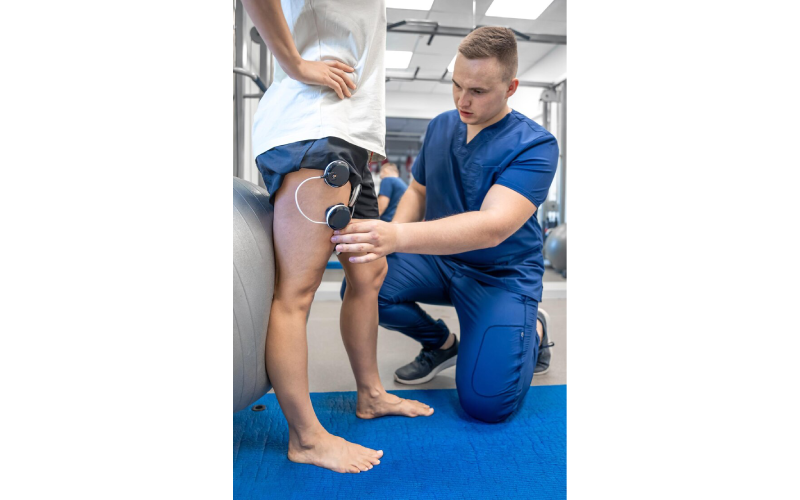
Physical therapy usually starts within hours after robotic knee replacement surgery, as soon as the anesthesia wears off. Early assisted walking with a walker or crutches is encouraged to improve circulation and lower the risk of blood clots. Initial therapy focuses on gentle knee movements, such as bending and straightening, to restore range of motion without stressing the joint. Muscle strengthening exercises begin shortly after to support joint stability and improve overall leg strength. Patients typically progress from walkers to canes between 3 to 6 weeks as their balance and strength improve. Physical therapy continues at home for several weeks under the guidance of a therapist, with goals shifting from simple movements to functional activities like standing and walking independently. Depending on individual recovery, some people may need supervised therapy for up to 3 or 4 months. Therapists provide clear advice on safe exercise limits to prevent injury, emphasizing that consistent effort and adherence to therapy greatly enhance outcomes and joint function. For example, patients who follow their physical therapy plan closely often regain mobility faster and experience less stiffness.
Preparing for Hospital Discharge and Home Care
The length of hospital stay after robotic knee replacement surgery varies, ranging from same-day discharge to a few days, depending on how well you recover and the support available at home. Before leaving the hospital, you need to show that you can safely transfer from bed to chair, walk with a walker or cane, and manage your pain effectively. Preparing your home ahead of time is important to prevent falls and make daily activities easier. Remove any loose rugs and secure cords to avoid tripping hazards. Arrange furniture to create clear paths wide enough for your walker or cane. Use a firm chair with a footstool so you can keep your leg elevated, which helps reduce swelling. Installing bathroom aids like grab bars, raised toilet seats, and a shower chair can significantly improve safety during personal care. Assistive devices such as long-handled shoehorns and sponges make dressing and bathing more manageable. Family members or caregivers should be ready to support you with moving around and caring for your wound during the first days at home. Before discharge, the medical team will give you clear instructions on your medication schedule and physical therapy exercises to follow. They will also provide emergency contact numbers and arrange follow-up appointments to monitor your recovery progress. Taking these steps ensures a smoother transition from hospital to home and supports a safer, more comfortable healing process.
- Hospital stay ranges from same-day discharge to a few days, depending on individual recovery and home support.
- Patients must demonstrate safe transfers, walking with aids, and pain control to be discharged.
- Home modifications include removing rugs and securing cords to prevent falls.
- Furniture should be arranged to allow easy movement with walkers or canes.
- Use of firm chairs with footstools helps keep the leg elevated to reduce swelling.
- Bathroom aids such as grab bars, shower chairs, and raised toilet seats improve safety.
- Assistive devices like long-handled shoehorns and sponges ease daily tasks.
- Family or caregivers should be prepared to help with mobility and wound care initially.
- Clear instructions on medication schedules and physical therapy exercises are given before discharge.
- Emergency contacts and follow-up appointments should be arranged ahead of leaving the hospital.
Caring for Wounds and Reducing Swelling
After robotic knee replacement surgery, keeping your surgical wound clean and dry is essential for proper healing. Follow your healthcare provider’s instructions carefully on how to change dressings and any restrictions on bathing. Watch closely for signs of infection such as redness spreading around the wound, unusual drainage or pus, increased pain, or fever. If any of these occur, contact your doctor immediately. Swelling around the knee and leg is normal and can last several weeks or even months. To help reduce swelling, elevate your leg above heart level whenever you are resting. Applying ice packs frequently during the first few days also helps control inflammation. Your doctor may recommend wearing compression stockings to improve circulation and minimize swelling. Avoid standing or sitting for long periods without moving, as this can worsen swelling and increase the risk of blood clots. If you experience sudden severe swelling, calf pain, or redness, notify your healthcare provider right away, as these can be signs of a blood clot requiring urgent care. Gentle massage or light movement, as guided by your physical therapist, can encourage better blood flow but avoid direct heat on the wound area during early recovery to prevent irritation. Attending all scheduled follow-up appointments for wound checks ensures your incision is healing well and helps catch any problems early.
Medication Use and Nutrition Tips
It is important to continue all prescribed medications after robotic knee replacement surgery, including pain relievers, blood thinners, stool softeners, and anti-nausea drugs. Taking these as directed helps manage pain, prevent blood clots, and reduce side effects like constipation or nausea. Always discuss any over-the-counter medications or supplements with your doctor to avoid harmful interactions. Nutrition plays a key role in recovery. Eating a balanced diet rich in protein, vitamins, and minerals supports tissue repair and strengthens your immune system. Your doctor may recommend iron or vitamin supplements to prevent anemia and promote healing. If you are taking blood thinners like warfarin, avoid foods high in vitamin K, such as kale and spinach, since they can interfere with medication effectiveness and clotting. Staying well hydrated by drinking plenty of fluids is essential, while limiting or avoiding alcohol helps prevent medication interference and supports healing. If you experience nausea or loss of appetite, try eating small, frequent meals to maintain energy levels. Following the timing guidelines for your medications and promptly reporting any side effects to your healthcare provider ensures a smoother recovery process.
Guidelines for Resuming Activities Safely
After robotic knee replacement surgery, walking is encouraged as much as you can tolerate, but it’s important to remember that walking alone doesn’t replace the need for physical therapy exercises. Most patients stop using walkers by around 3 weeks and usually transition to canes, often walking without assistance by 6 weeks. Driving can typically be resumed once you’re off opioid pain medications and your reflexes have returned to normal, which is often between 4 to 6 weeks post-surgery. Sexual activity can generally be restarted within a few weeks, but it’s best to discuss this with your doctor to ensure it’s safe for your specific recovery. Returning to work depends largely on the type of job you have; desk jobs may allow a return in a matter of days, while jobs requiring physical labor might need several weeks. Low-impact activities such as biking, swimming (once the wound has healed), golfing, and doubles tennis are recommended to maintain fitness without overloading the new joint. High-impact sports like jogging, jumping, skiing, and singles tennis should be avoided to protect your knee implant. It’s crucial to continue your prescribed physical therapy exercises for at least two months after surgery to maintain strength and flexibility. Avoid heavy lifting or bending beyond your doctor’s recommendations during early recovery. Always listen to your body and avoid pushing through pain when resuming activities, as this can hinder healing or cause injury.
Special Considerations for Travel and Implants
After robotic knee replacement surgery, travel requires extra care to protect your healing joint and avoid complications. Air travel can increase swelling due to long periods of immobility and changes in cabin pressure, so always check with your doctor before booking a flight. During flights, wearing compression stockings and moving your legs regularly can help reduce the risk of blood clots. When passing through airport security, inform personnel about your knee implant as it may set off metal detectors. Carry a medical alert card stating you have a knee implant for emergencies. If you need MRI scans, make sure radiologists know about your implant to minimize image distortion and ensure safety. Some patients may require antibiotics before dental or other invasive procedures to prevent joint infections, check with your healthcare provider about this. Avoid planning strenuous travel right after surgery; give your body time to heal properly. Arrange for extra assistance during your trip, such as wheelchair support or help with luggage, especially in busy airports or stations. Keep all medications and medical documents easily accessible throughout your travels. Following your doctor’s advice on when and how to travel safely will help you avoid setbacks and maintain a smooth recovery.
Timeline for Recovery Milestones
Recovery after robotic knee replacement follows a clear progression that helps patients regain mobility and strength safely. On the day of surgery, as anesthesia wears off, you’ll begin moving your knee gently and walking with assistance, usually using a walker. During the first one to two weeks, focus is on managing pain, caring for the surgical wound, and starting home physical therapy while relying on a walker for support. Between weeks three and six, most patients transition to using a cane and gradually increase walking distances, while continuing exercises to strengthen the knee. By two to three months, many can resume low-impact activities, start driving again, and return to work if cleared by their doctor. From three to six months, swelling typically reduces further and knee strength and mobility improve noticeably. Full recovery can take up to a year, allowing the implant to fully integrate and, if advised, a return to more strenuous activities. Regular follow-up visits at two weeks, six weeks, three months, and one year help monitor progress. While physical therapy may be tapered over time, continuing home exercises is important to maintain gains. It’s worth noting that recovery speed varies depending on factors like age, overall health, and activity level, and sticking closely to your rehab plan greatly supports reaching these milestones on schedule.
Advantages of Robotic Knee Replacement Technology
Robotic knee replacement technology offers several key benefits that improve both the surgical process and patient outcomes. One of the biggest advantages is the enhanced precision in implant alignment, which helps reduce uneven wear and extends the life of the implant. Surgeons can plan and execute personalized implant positioning using robotic systems, tailoring the surgery to each patient’s unique anatomy. The minimally invasive approach used with robotics causes less muscle and tissue trauma, resulting in smaller incisions that lower the risk of infection and reduce scarring. Patients typically experience less swelling and pain after surgery, which supports faster initial recovery. Precise bone cuts made by the robot also preserve more healthy bone, aiding in better long-term joint function. Additionally, newer cementless implant designs used alongside robotic guidance may improve bone integration, potentially decreasing the chance of implant loosening or failure over time. These factors combined lead to higher patient satisfaction rates, around 95%, because of improved comfort and joint performance after surgery.
Frequently Asked Questions
1. What are the key steps to follow in the first week after robotic knee replacement surgery?
In the first week, focus on managing pain with prescribed medications, keeping the surgical site clean, doing gentle exercises to improve circulation, and using mobility aids like walkers or crutches as recommended. Following your surgeon’s guidelines and attending physical therapy sessions are important for a smooth start to recovery.
2. How does physical therapy help in recovering from robotic knee replacement, and how often should it be done?
Physical therapy helps restore strength, flexibility, and range of motion in the knee. It reduces stiffness and supports proper healing. Usually, therapy starts within days after surgery and is done multiple times a week, tailored to your progress and doctor’s advice. Consistency is key to regaining mobility and preventing complications.
3. What signs should I watch for that might indicate complications during recovery?
Watch for increased redness, swelling, warmth, or discharge around the incision, severe or worsening pain, fever, or difficulty moving the knee. These could signal infection or other issues requiring prompt medical attention. Always communicate any concerning symptoms to your healthcare provider without delay.
4. How long does it usually take to return to normal daily activities after robotic knee replacement surgery?
Most people can resume light daily activities within 4 to 6 weeks, but full recovery and return to more strenuous tasks might take 3 to 6 months. Individual healing varies based on age, health, and commitment to rehab exercises. Patience and gradual progress are important to avoid setbacks.
5. Are there lifestyle changes I should make to support long-term knee health after surgery?
Yes. Maintaining a healthy weight reduces stress on the knee joint. Staying active with low-impact exercises like swimming or cycling helps keep muscles strong and joint flexible. Avoiding high-impact activities and practicing good posture or ergonomics can prolong the benefits of your surgery and improve overall knee function.
TL;DR Robotic knee replacement surgery offers precise implant placement and less tissue damage, leading to faster recovery and less pain compared to traditional methods. Patients typically begin moving within hours of surgery and start physical therapy immediately to regain strength and motion. Hospital stays are short, with home care focusing on safety, wound care, and managing swelling. Pain is controlled through a combination of nerve blocks, medications, and therapy. Gradual activity resumption is advised, avoiding high-impact sports to protect the new joint. Travel and special medical considerations apply due to the implant. Recovery milestones usually span from weeks to up to a year, with robotic technology enhancing outcomes through better accuracy and quicker rehabilitation.
Resource Url:
https://en.wikipedia.org/wiki/Knee_replacement
https://drrichardmeyer.com/orthopedic-conditions/mako-robotic-arm-assisted-total-knee-replacement/

Roderick Smith is a writer, blogger, and business owner. He has been writing for over 5 years and his blog naouelmoha.net offers valuable information about the business, health, law, and the latest technology. Roderick lives in Nashville with his wife and three children.