
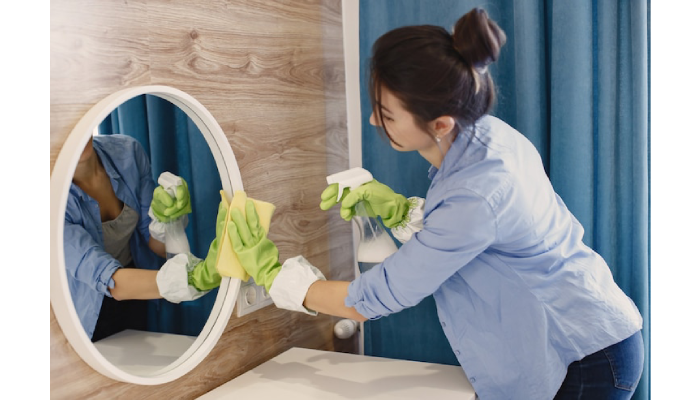
Weekly Home Cleaning Service: What’s Included?
A weekly home cleaning service usually covers a range of tasks aimed at keeping your home tidy and hygienic without going into deep cleaning territory. This includes decluttering surfaces, dusting high and low areas like fans, shelves, and baseboards, as well as wiping down countertops and frequently touched spots such as doorknobs. Vacuuming carpets thoroughly and sweeping or mopping hard floors are standard too. In the kitchen, counters get wiped while appliance exteriors receive attention, plus sinks are cleaned and floors mopped. Bathrooms get basic scrubbing of sinks, toilets, tubs, mirrors, and floors. Bedrooms often involve dusting furniture and vacuum or sweep floors along with light tidying. Living spaces see dust removal from furniture and electronics cleaning too. Trash is collected regularly from every room to keep things fresh. Overall it’s a routine that maintains order so dirt doesn’t pile up between visits but stops short of intensive jobs like grout scrubbing or oven cleaning unless requested as add-ons.
General Tasks Included in Weekly Home Cleaning
Weekly home cleaning focuses on keeping your living space neat and hygienic by tackling everyday dirt and clutter. Cleaners start by removing clutter from surfaces and floors, making it easier to clean thoroughly. They organize items on counters, tables, and shelves to maintain order and a tidy appearance. Dusting is a key part of the routine, covering high surfaces like ceiling fans, light fixtures, door tops, and window ledges to prevent dust buildup that can affect air quality. Furniture, shelves, cabinet exteriors, and countertops are wiped down with a damp cloth to remove dust and light grime. Glass surfaces such as mirrors, windows, and screens receive special attention with streak-free cleaners to keep them clear and smudge-free. Vacuuming covers carpets, rugs, and upholstery, including edges and under furniture where dust and debris tend to gather. Hard floors like tile, laminate, and hardwood are swept with appropriate tools, then mopped using cleaners suited to the floor type, ensuring all accessible areas are covered. Trash cans in all rooms are emptied and liners replaced as needed to maintain freshness. Finally, high-touch areas like doorknobs, light switches, remote controls, and game controllers are disinfected to reduce the spread of germs, supporting a healthier home environment.
- Remove clutter from surfaces and floors to prepare for cleaning.
- Organize items on counters, tables, and shelves for tidiness.
- Dust high surfaces like ceiling fans, light fixtures, tops of doors, and window ledges.
- Wipe down furniture, shelves, cabinet exteriors, and countertops with a damp cloth.
- Clean glass surfaces including mirrors, windows, TV and computer screens using streak-free cleaners.
- Vacuum carpets, rugs, and upholstery, including edges and under furniture.
- Sweep hard floors such as tile, laminate, and hardwood using appropriate tools.
- Mop hard floors with cleaners suitable for the floor type, covering all accessible areas.
- Empty trash cans in all rooms and replace liners if necessary.
- Disinfect high-touch areas like doorknobs, light switches, remote controls, and game controllers.
Decluttering and Organizing Surfaces
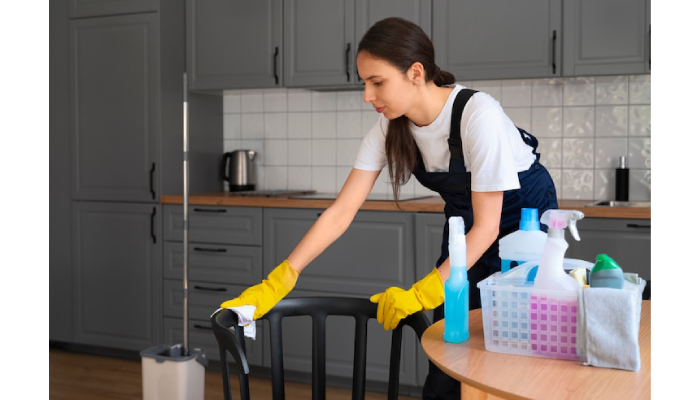
A key part of a weekly home cleaning service is decluttering and organizing surfaces before actual cleaning begins. This involves clearing countertops, tables, and desks of unnecessary items to make wiping and dusting more effective. Misplaced objects are sorted back into their proper places or designated bins, which helps keep the home orderly and reduces visual clutter. For example, newspapers, magazines, and mail are either neatly folded or stacked, or recycled if no longer needed. In living areas, cushions and pillows are arranged neatly on sofas and chairs, while books, DVDs, and decorative items on shelves and tables are straightened to give a tidy appearance. Bathrooms benefit from organizing toiletries by placing them inside cabinets or organizers, keeping countertops clear and functional. In the kitchen, appliances and utensils not in use are stored away to maintain clean, open surfaces. Trash and recyclables are removed from all rooms to prevent buildup and keep the space fresh. Toys, clothes, and personal belongings are picked up and stored properly to avoid distractions during cleaning. Additionally, any spills or stains found on surfaces are noted and prepared for spot cleaning. This thorough approach to organizing sets the stage for a more efficient and effective cleaning process throughout the home.
Dusting and Wiping Down Surfaces
Weekly home cleaning services include thorough dusting and wiping down of various surfaces to keep your home fresh and allergen-free. Professionals dust ceiling fans and light fixtures, removing built-up dust and cobwebs that often get overlooked. They also clean tops of doors, window sills, baseboards, and blinds, which are common spots for dust to settle. Using microfiber cloths is standard practice because they trap dust effectively without spreading it around. Furniture surfaces like tables, chairs, and shelves get wiped down to remove dust and fingerprints. In kitchens and bathrooms, cabinet exteriors are cleaned to eliminate smudges and sticky residues, while countertops and backsplashes receive a damp wipe to tackle grime. Glass surfaces such as mirrors and windows are polished with streak-free solutions for a clear finish. Electronics require careful dusting with dry or slightly damp cloths to avoid damage, and vents and registers are dusted when accessible to reduce airborne dust. Finally, spot cleaning on walls and light switches is done if they appear dusty or marked, maintaining a consistently clean look throughout the home.
Vacuuming Carpets, Rugs, and Mattresses
Vacuuming is a key part of any weekly home cleaning service, especially for carpets, rugs, and mattresses. All carpeted areas should be vacuumed thoroughly, including spots under furniture that are reachable, to remove dust, dirt, and allergens. Using vacuum attachments helps clean edges, corners, and baseboards where dust tends to build up. Area rugs require gentle vacuuming to lift dirt without harming the fibers, while upholstered furniture surfaces, such as cushions and crevices, also benefit from a careful vacuuming. For homes with pets, vacuum brushes are especially useful to remove pet hair from carpets and furniture. Mattresses can be vacuumed after optionally sprinkling baking soda to deodorize and remove dust mites and allergens from the surface. It’s important to check carpets and rugs for any stains and spot clean them as needed during the process. To maintain suction power and ensure effective cleaning, vacuum bags or bins should be emptied regularly, and vacuum filters need to be kept clean to improve air quality while cleaning.
Sweeping and Mopping Hard Floors
A key part of weekly home cleaning is sweeping and mopping all hard surface floors, including wood, tile, and laminate. Sweep thoroughly to remove dirt, dust, and debris using the right tools: brooms or dust mops suited for each floor type ensure effective cleaning without causing damage. When mopping, cleaners should be chosen carefully based on the flooring material to protect surfaces, for example, wood floors require gentle, low-moisture solutions to prevent warping. Start mopping from the farthest corner of a room and work toward the exit to avoid stepping on wet floors, which helps maintain safety and efficiency. Special attention is given to hard-to-reach areas like under cabinets and behind toilets; these spots are cleaned manually or with tools designed to access tight spaces. Using microfiber mops or soft cloths reduces the risk of scratching delicate floors. It’s important to rinse mop heads frequently to avoid spreading dirt and to dry floors when necessary, especially in kitchens and bathrooms, to prevent slippery conditions. Entryways also receive focused sweeping and mopping to minimize dirt tracked inside, preserving the overall cleanliness of the home throughout the week.
Removing Trash from All Rooms
Removing trash from every room is a fundamental part of a weekly home cleaning service. Cleaners collect trash from bins located in living rooms, bedrooms, bathrooms, and the kitchen, ensuring no area is overlooked. All trash cans are emptied and liners replaced with fresh bags to keep spaces neat and odor-free. Recyclables are separated according to the household’s sorting rules, which helps maintain proper waste management. Cleaners also scan floors and surfaces for small bits of trash or debris that might have fallen outside the bins, disposing of them promptly to prevent buildup. In the kitchen, special care is taken to dispose of food waste properly to avoid unpleasant smells and reduce the risk of pests. Any bulky trash items discovered during tidying up are removed as well. If trash cans appear visibly dirty, cleaners may wipe the inside and outside for added freshness. Trash bags are always securely tied to prevent spills or leaks during removal and placed in designated outdoor or indoor disposal areas. Additionally, cleaners note or report any overflowing bins or sanitation concerns so they can be addressed between visits. This thorough approach to trash removal helps maintain a cleaner, healthier home environment week after week.
Disinfecting High-Touch Areas
Disinfecting high-touch areas is a crucial part of any weekly home cleaning service to help reduce the spread of germs and maintain a healthier living space. Common targets include doorknobs and door handles, which are wiped down thoroughly using disinfectant wipes or sprays. Light switches often get overlooked but are cleaned carefully since they are frequently touched. Electronics like remote controls for TVs and other devices receive special attention, cleaned gently to avoid damage while ensuring they are sanitized. Game controllers and kitchen appliance buttons, including cabinet handles, are also disinfected regularly. In bathrooms, faucet handles, flush levers, and light switches get wiped down to eliminate bacteria buildup. Stair railings and bannisters, where present, are cleaned to maintain hygiene on shared touch points. Devices such as phones, tablets, and computer keyboards are sanitized with suitable disinfectants that are safe for electronics. Drawer pulls and knobs throughout the home are included to cover all commonly touched surfaces. Professionals use EPA-approved disinfectants and follow recommended contact times to ensure the cleaning is effective, not just cosmetic. This routine disinfection helps keep the home safer and more comfortable between visits.
Kitchen Cleaning Tasks in Weekly Service
Weekly kitchen cleaning focuses on maintaining a clean and hygienic space by tackling common sources of dirt and grime. Cleaners typically start by clearing and wiping down countertops and backsplashes to remove crumbs, stains, and spills, which helps prevent buildup and keeps food prep areas sanitary. The exterior surfaces of major appliances like stove tops, refrigerators, and microwaves are wiped to remove fingerprints, dust, and grease. Attention is also given to the inside and outside of microwaves and smaller appliances such as toasters and coffee makers, ensuring these frequently used items stay clean and odor-free.
Sanitizing the kitchen sink and faucet handles is a key step to remove grime and prevent bacteria growth, as these spots are often overlooked but heavily used. The kitchen floors receive thorough sweeping and mopping to remove spills, food particles, and dirt that accumulate during daily cooking and eating. Trash and recycling bins are emptied and liners replaced to keep odors in check and maintain overall tidiness.
Spot cleaning extends to cabinet fronts and appliance handles, focusing on fingerprints and smudges that can make the kitchen look untidy. If the dining area is part of or near the kitchen, tables and chairs are wiped down to remove crumbs and sticky spots, keeping the eating space inviting. Specific stove components like drip pans and control knobs are cleaned to reduce grease buildup, which can cause unpleasant smells and affect appliance performance.
Some services may include running a dishwasher cleaning cycle upon request or as part of the routine, helping to maintain the appliance’s efficiency and hygiene. These regular tasks work together to keep the kitchen fresh and orderly between deeper cleanings, making meal prep safer and more pleasant.
Bathroom Cleaning Tasks in Weekly Service
Weekly bathroom cleaning focuses on keeping this high-use space fresh and hygienic without deep scrubbing. Cleaners start by removing bath mats and emptying trash cans to clear the area. Sinks, faucets, countertops, and backsplashes are cleaned and disinfected to prevent buildup of grime and germs. Toilets get a thorough scrubbing, including the bowl, seat, lid, and base, ensuring all surfaces are sanitized. Tubs and shower walls are wiped down to remove soap scum and light stains, maintaining a clean appearance without intensive scrubbing.
Mirrors and glass surfaces are wiped with streak-free cleaners to keep them clear and shiny. Tiles and grout receive spot cleaning to manage surface dirt, but deep grout cleaning is reserved for less frequent deep cleaning sessions. Bathroom floors are swept and mopped carefully to remove water spots and grime, paying special attention to areas behind toilets and under cabinets.
High-touch fixtures like light switches and door handles are disinfected to reduce germs. Cabinet exteriors and shelves with minimal clutter are wiped down to remove dust and fingerprints. Some services offer towel or bath linen replacement as an add-on, adding a fresh touch to the bathroom. This routine helps maintain a clean and sanitary bathroom week after week, preventing buildup and making deeper cleaning less frequent.
Bedroom Cleaning Tasks and Optional Services
Weekly bedroom cleaning typically involves dusting all furniture such as nightstands, dressers, and shelves to remove dust buildup. Cleaners also focus on window sills, blinds, and baseboards, which often collect overlooked dust. Floors are vacuumed or swept thoroughly, including accessible areas under the bed. Tidying clutter like clothes, books, and personal items left out helps maintain an orderly space. Beds are straightened or made, though changing bed linens is usually an optional service. Upholstered items like headboards or chairs receive vacuuming to keep them fresh. High-touch areas such as light switches and door handles are wiped down to reduce germs. Any visible marks on walls or furniture are spot cleaned, and small personal items on surfaces are organized for neatness. Optional add-ons may include changing bed linens, vacuuming mattresses to remove dust and allergens, or detailed closet tidying to keep the entire bedroom well-maintained.
Living and Dining Room Cleaning Details
Weekly cleaning of the living and dining areas focuses on maintaining a fresh, dust-free, and organized space. All furniture surfaces, including shelves, tables, and cabinets, are dusted thoroughly to remove settled particles. Light fixtures, ceiling fans, and decorative items get careful wiping to avoid damage while ensuring no dust lingers. Carpeted floors and rugs receive detailed vacuuming, with attachments used to reach edges and under furniture where dust and debris often collect. Hard floors like hardwood, tile, or laminate are swept and mopped to remove dirt and prevent sticky residue. Windows, window sills, and blinds are cleaned using appropriate products to achieve streak-free clarity. Dining tables and chairs are wiped down to clear away food crumbs and fingerprints, contributing to a neat dining experience. High-touch items such as remote controls, light switches, and game controllers are disinfected to reduce germs. Clutter is tidied by organizing magazines, books, and other miscellaneous items, keeping surfaces open and inviting. Glass surfaces, including mirrors and glass table tops, are polished with streak-free glass cleaner, enhancing brightness in the room. Spot cleaning of walls and baseboards is also done if smudges or dust buildup are visible, ensuring the space looks consistently well-kept.
Laundry Room Cleaning and Organization
A weekly home cleaning service pays special attention to the laundry room to keep this often-used space tidy and functional. Cleaners start by wiping down the exterior of the washer and dryer, removing dust, detergent spills, and fingerprints that accumulate over time. Countertops and cabinet surfaces are also cleaned to clear away lint, detergent residue, and any clutter. Floors get a thorough sweep and mop, focusing on corners and areas under appliances where dust and debris tend to gather. Organizing laundry supplies is another key task: detergents, fabric softeners, and cleaning tools are neatly arranged to make the space more efficient and visually appealing. If included in the service, lint traps in dryers are emptied to maintain dryer performance and reduce fire hazards. Trash and lint buildup around the laundry area are removed, while laundry baskets or hampers are checked and tidied; some services even offer folding clean clothes upon request. Dusting light fixtures and vents helps maintain good airflow and prevents dust from recirculating. Any sinks or utility tubs present are wiped down to remove soap scum and debris. Finally, floor drains and vents are inspected and cleaned to prevent odors and blockages, ensuring the laundry room stays fresh and ready for use.
Differences Between Weekly Cleaning and Deep Cleaning
Weekly cleaning focuses on maintaining surface cleanliness and order through tasks like dusting, vacuuming, wiping, mopping, and trash removal. It targets visible dirt and commonly used areas, avoiding heavy lifting or moving furniture. In contrast, deep cleaning goes beyond routine upkeep to tackle hidden or hard-to-reach spots, such as scrubbing grout, cleaning inside ovens and refrigerators, and detailed baseboard cleaning. Deep cleaning often involves repositioning appliances or furniture to access buildup and may include washing inside cabinets, pantries, and drawers, areas weekly cleaning does not cover. It typically uses stronger cleaning agents and specialized tools to remove stubborn grime that accumulates over time. While weekly cleaning sessions are shorter and focus on hygiene, deep cleaning requires longer appointments to renew and refresh surfaces. Additional tasks like window washing (inside and out), carpet shampooing, and upholstery cleaning are usually part of deep cleaning and scheduled seasonally or before special events, unlike the regular maintenance provided by weekly services.
Customizable Add-Ons and Special Requests
Many weekly home cleaning services offer customizable add-ons to better fit your specific needs. For instance, changing bed linens and pillowcases can be included if requested, providing a fresher bedroom feel beyond the usual tidying. Interior cleaning of appliances like ovens, refrigerators, and microwaves is often available as an extra service, since these tasks require more time and attention than routine surface cleaning. Laundry services may also be offered, covering washing, drying, folding, and ironing to help manage your household chores more efficiently.
Periodic deep refreshes such as carpet or upholstery shampooing can be scheduled on top of weekly cleanings, helping to maintain fabric cleanliness and extend their lifespan. Window cleaning inside and outside usually goes beyond the typical wipe-downs and often requires special appointments. Organizational tasks like tidying pantries or closets can be added for those wanting a more orderly space. For pet owners, optional pet-related cleaning services may include removing pet hair, deodorizing rooms, or cleaning litter boxes to keep the home comfortable and odor-free.
Special disinfecting services targeting high-touch or vulnerable areas can be requested for extra protection, especially during flu season or other health concerns. Additionally, holiday or event preparation cleaning is available for occasions needing extra detail and thoroughness. Many services also accommodate preferences for eco-friendly or hypoallergenic cleaning products, ensuring a safer environment for sensitive individuals or those looking to reduce chemical use at home.
Cleaning Tools and Supplies Used by Professionals
Professional cleaners rely on a well-chosen set of tools and supplies to deliver efficient and effective weekly home cleaning. Microfiber cloths are a staple because they trap dust and dirt without scratching surfaces, making them ideal for dusting and wiping down furniture, electronics, and delicate items. All-purpose cleaners simplify the process by working on various surfaces, reducing the need to switch between products frequently. Disinfectants play a crucial role in sanitizing high-touch areas like doorknobs, light switches, and remote controls, helping to minimize germs and maintain hygiene.
Vacuum cleaners equipped with multiple attachments enable thorough cleaning of carpets, corners, upholstery, and hard floors, reaching places that standard vacuums can miss. Mops with detachable heads allow cleaners to switch between wet and dry mopping modes, adapting to different floor types such as hardwood, tile, or laminate. For glass surfaces like windows and mirrors, professionals use specially formulated glass cleaners that prevent streaks and leave a clear shine.
Scrub brushes and sponges of varying sizes help tackle grime in kitchens and bathrooms, where stubborn residues often accumulate. Gloves and trash bags are essential for maintaining hygiene during garbage removal and handling of waste. Some cleaning services also opt for eco-friendly cleaning agents to reduce chemical residues and lessen environmental impact. Additionally, step stools or lightweight ladders are used to safely reach high or hard-to-access spots, including ceiling fans and light fixtures, ensuring no area is overlooked during the weekly cleaning routine.
Using Checklists to Ensure Thorough Cleaning
Checklists are essential tools that help cleaning professionals systematically cover every room and task without missing steps. Typically organized by areas like the kitchen, bathroom, bedrooms, and living spaces, these lists include routine duties such as dusting, vacuuming, mopping, and trash removal for each space. They also highlight high-touch surfaces like doorknobs and light switches, ensuring they receive proper disinfection during each visit. By marking completed tasks, cleaners can track progress, which improves accountability and helps maintain a consistent quality of service across multiple visits. Checklists can be customized to reflect client preferences or special requests, allowing for a personalized cleaning experience. This approach reduces the chance of overlooking small but important details, such as baseboards or vents, that often get missed without a guided system. Whether digital or paper-based, checklists clarify communication between clients and cleaners, making expectations clear and consistent. Additionally, using checklists supports efficient time management, helping cleaners allocate the right amount of time to each task and area, which ultimately leads to a more thorough and reliable weekly home cleaning service.
Summary of Typical Weekly Cleaning Tasks by Area
Weekly home cleaning services cover a range of tasks tailored to each area in the house to keep everything neat and hygienic. General cleaning includes decluttering surfaces and floors, dusting from high spots like ceiling fans down to baseboards, vacuuming carpets and rugs with attachments to reach edges and furniture corners, sweeping and mopping hard floors using cleaners suited to the floor type, and emptying trash bins in all rooms. In the kitchen, the focus is on wiping down counters and backsplashes, cleaning appliance exteriors such as the refrigerator and microwave, sanitizing sinks and faucets, and thorough floor cleaning. Bathrooms require disinfecting sinks, toilets, tubs, showers, and mirrors, plus mopping floors to remove grime and prevent buildup. Bedrooms usually get dusted furniture, vacuumed or swept floors, tidied clutter, and optionally, bed making. Living and dining rooms are cleaned by dusting furniture and décor, vacuuming or sweeping floors, cleaning windows, and wiping tables and chairs. Laundry rooms involve wiping washer and dryer surfaces, counters, and cabinets, along with sweeping and mopping floors. High-touch areas like doorknobs, light switches, and remote controls are disinfected routinely to reduce germs. This balanced approach ensures each part of the home receives the right attention to maintain cleanliness week after week.
Resource URL:
https://www.dynamichousecleaning.com/services/green-cleaning/
https://en.wikipedia.org/wiki/Cleaning

Roderick Smith is a writer, blogger, and business owner. He has been writing for over 5 years and his blog naouelmoha.net offers valuable information about the business, health, law, and the latest technology. Roderick lives in Nashville with his wife and three children.