
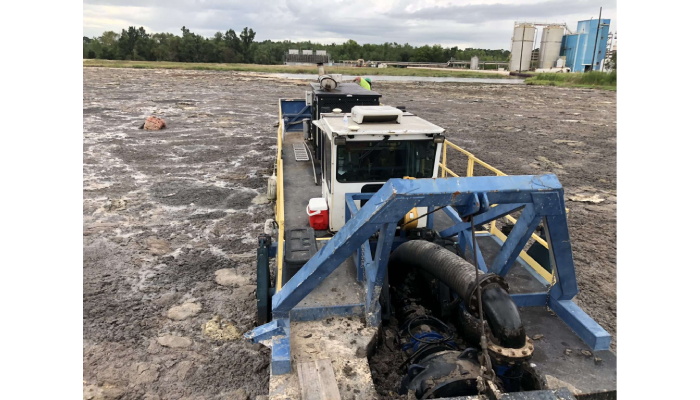
Wastewater Dredge: What Happens After Removal?
After wastewater dredging, the removed materials require careful management due to potential contamination. The sediment, often containing 30 to 70 percent solids along with porewater and debris, is typically transported hydraulically or mechanically for further processing. Initial steps include screening to separate large debris from finer sediments. Dewatering happens either passively, using settling basins or geotextile tubes at a slower pace and lower cost, or mechanically with equipment like belt presses for faster results. Depending on contamination levels, sediments may undergo various treatments such as chemical stabilization, bioremediation, or thermal processes before disposal or beneficial reuse as soils or construction materials. Throughout this process, water separated from sediments is treated separately and regulatory requirements guide disposal options and reuse potential while keeping costs and site conditions in consideration.
Materials Generated by Wastewater Dredging and Their Characteristics
Wastewater dredging produces a complex mixture of materials that requires careful management after removal. The primary component is sediment, which typically contains between 30% and 70% solids, with the remainder being porewater held within the sediment particles. This water content influences how sediment behaves during handling and treatment. Near-surface sediments often include organic matter, which can affect treatment options due to its potential to degrade and release contaminants. Marine sediments tend to contain salts and fine particles such as silts and clays, altering their physical and chemical properties and sometimes complicating separation or stabilization processes.
Alongside sediment, dredging generates separated water, which contains suspended solids and dissolved contaminants. This water must be treated before discharge or reuse to meet environmental standards. The composition and contaminant load of this water vary depending on site conditions and dredging methods.
Debris is another key material produced during dredging. It ranges from large objects like concrete rubble, wood, and metal fragments to smaller particulates intimately mixed with the sediment. Larger debris is typically separated early in the process for separate handling, which may include washing, recycling, or disposal. Smaller debris often travels with the sediment and can impact dewatering and treatment efficiency.

Types of Sediment, Water, and Debris After Removal
After wastewater dredging, the removed materials include a complex mix of sediment particles, water, and debris, each with distinct characteristics that influence further processing. Sediment particles vary widely in grain size, ranging from fine clay and silt to coarser sand and gravel fractions. These sediments often retain porewater within their structure, which may harbor dissolved contaminants, adding complexity to treatment. When sediments undergo dewatering, separated water emerges containing suspended solids and dissolved substances, the quality of which depends heavily on sediment type and contamination levels.
Large debris items such as concrete chunks, timber, plastics, and metal fragments are typically removed early through screening processes. Screens with openings from 150 mm down to 25 mm separate these larger objects, which require separate handling, recycling, or disposal. Fine debris smaller than 25 mm remains mixed with sediment and proceeds to further processing steps. Organic debris, including plant material and biological waste, may also be present in the sediment, especially near surface layers or in freshwater dredging scenarios.
In marine environments, salts and other dissolved solids in the sediment influence treatment methods and disposal options, as these factors affect both physical behavior and chemical reactions during processing. Sediments often exhibit layered contamination profiles depending on dredging depth and location, which can complicate handling and treatment decisions. Debris composition directly impacts how materials are managed after removal: large inert debris may be recycled or landfilled, while fine mixed debris requires integrated treatment with sediments.
Understanding the types and qualities of sediment, water, and debris after dredging is critical for selecting appropriate treatment technologies, managing environmental risks, and planning disposal or reuse. For example, sediments with high organic content may benefit from biological treatment, while sediments with heavy metals or persistent organics need stabilization or specialized chemical treatments. Meanwhile, separated water demands tailored treatment to reduce suspended solids and contaminants before discharge or reuse. Overall, the mixture of materials requires careful sorting and characterization to ensure safe, effective management following wastewater dredging.
Methods for Handling and Transporting Dredged Sediments
Handling and transporting dredged sediments depend largely on the dredging method used and the properties of the sediment. Hydraulic dredging creates a slurry that can be pumped directly through pipelines to processing or disposal sites, making transport relatively straightforward when access allows. Mechanical dredging, on the other hand, removes sediment in bulk, requiring trucks, conveyors, or other heavy equipment to move the material. The moisture content of the sediment plays a crucial role: wetter sediments flow more easily but can be heavier and harder to handle, while drier sediments may need different equipment to prevent dust or spillage.
Logistics are shaped by transport routes and site access, which influence costs and timing. For instance, narrow roads or remote locations may necessitate specialized vehicles or temporary storage solutions. Temporary storage facilities like settling basins or tanks are often used to hold sediment before further processing, allowing solids to settle and water to be drained or treated. Containment during transport is vital to avoid sediment loss and prevent environmental contamination. This may involve sealed containers, liners, or covers, especially when sediments contain contaminants.
Before transport, larger debris is typically separated to protect equipment and streamline disposal or recycling options. Debris removal also reduces the volume of material needing specialized handling. Selection of handling methods is a careful process that considers sediment characteristics, site limitations, available equipment, and regulatory permits. Permits can dictate allowable transport routes, discharge of separated water, and operational timing.
Close coordination between dredging crews, transport operators, and processing or disposal teams is essential to keep sediment moving efficiently and reduce delays. For example, pumps moving slurry must be matched with pipeline lengths and processing capacity to avoid backups. In cases where mechanical equipment is used, scheduling truck loads and conveyor operations in sync with removal rates helps maintain steady progress. Overall, the handling and transport phase is a critical link that ensures sediments are safely and effectively delivered for treatment, disposal, or reuse.
Screening and Separating Debris from Sediments
Once wastewater dredged materials are brought to the processing site, screening is a critical first step to separate debris from sediment. Large screens with openings ranging from 150 mm down to 25 mm are commonly used to catch bigger objects like rocks, wood pieces, or construction debris. Removing these large materials upfront helps protect downstream equipment from damage and reduces the risk of clogging. For finer separation, smaller screens down to 5 mm are used, often combined with water sprays. These sprays prevent the screens from clogging and improve the flow of sediment slurry through the mesh. Hydraulic dredged slurry, due to its more uniform and fluid consistency, is easier to screen compared to mechanically dredged sediment, which tends to be coarser and more variable in texture. Debris larger than 25 mm is extracted and handled separately, often sent for recycling or appropriate disposal, while smaller debris remains mixed with the sediment and proceeds to further treatment. Screening efficiency depends heavily on factors like sediment moisture content, particle size distribution, and the type of debris present. Effective debris removal not only reduces the volume of material requiring costly treatment but also prevents contaminants and physical obstructions from interfering with subsequent dewatering and processing steps. Additionally, screening operations typically include water management systems to handle wash water and fines generated during the process, ensuring that environmental discharge limits are met. By incorporating proper screening, operators can improve treatment effectiveness, extend equipment lifespan, and optimize overall sediment management.
Techniques for Passive Dewatering of Sediments
Passive dewatering relies on natural settling processes to separate water from sediment slurry without mechanical intervention. Typically, dredged sediment slurry is placed in settling basins or tanks, where gravity causes the solids to gradually settle to the bottom. Over time, clearer water, called supernatant, rises to the top and can be removed by draining or allowed to evaporate. Geotextile tubes are another common passive method: these permeable fabric containers hold the sediment slurry, letting water pass through the fabric while retaining solids inside. This process reduces moisture content but usually requires days to weeks, making it suitable when throughput demands are low and space for settling areas is available. Passive dewatering tends to have lower operational costs compared to mechanical methods, but it demands more land area and longer treatment times. It works best when sediment layers are relatively thin. To improve efficiency, chemical conditioners such as flocculants can be added to the slurry to speed up solid settling. Despite this, the sediment after passive dewatering often still contains significant moisture and may need further drying or mechanical processing. The water collected during these processes contains suspended solids and must be treated before discharge to meet environmental standards. Passive dewatering is often the initial step in sediment handling, preparing material for subsequent mechanical or chemical treatments.
Mechanical Dewatering Equipment and Processes
Mechanical dewatering plays a crucial role in reducing moisture content in dredged sediments, transforming slurry into drier sediment cakes that are easier and less costly to transport and dispose of. Common equipment includes belt filter presses, plate-and-frame presses, centrifuges, and hydrocyclones. Presses work by applying mechanical pressure to squeeze water out of the sediment, while hydrocyclones use centrifugal forces to separate fine particles from water efficiently. These methods require the sediment feed to be pre-screened and conditioned to remove debris and optimize the slurry consistency for best performance. Though mechanical dewatering involves higher upfront and operating costs compared to passive methods like settling basins or geotextile tubes, it delivers much faster processing times, which can be essential for large-scale or time-sensitive projects. The water separated during dewatering is collected and typically treated or recycled back into the dredging operation, helping minimize environmental impact and water use. Selecting the right equipment depends on factors such as sediment type, volume, project budget, and throughput needs. Proper operation and maintenance are vital to avoid fouling and downtime, ensuring reliable performance throughout the dredging process.
Physical, Chemical, and Thermal Treatments for Contaminated Sediment
Physical treatments for contaminated sediment typically involve processes like dewatering, size separation, and solidification. Dewatering reduces water content, making sediments easier to handle and transport. Size separation removes debris and sorts sediments by particle size, which helps target treatment more effectively. Solidification stabilizes sediment by binding particles together, reducing erosion and contaminant mobility. Chemical treatments often focus on stabilization, especially for sediments contaminated with metals and other inorganic pollutants. Additives such as lime, cement, or proprietary reagents are mixed with sediment to immobilize contaminants, lowering their leaching potential and toxicity. These chemical methods can be combined with physical treatments to improve sediment stability and minimize environmental risks. Thermal treatments, including incineration and thermal desorption, are used mainly to address organic contaminants like polychlorinated biphenyls (PCBs). By applying high temperatures, these treatments destroy or volatilize persistent organic compounds. However, thermal methods are energy intensive and require specialized facilities. They are generally reserved for sediments with high levels of organic contamination. Thermal treatments are not effective for metals and need air emission controls to manage pollutants released during heating. Choosing the right treatment approach depends on factors such as contaminant type and concentration, sediment characteristics, and overall project cost. Pilot testing is often necessary to optimize treatment parameters and ensure compliance with environmental regulations. Combining physical, chemical, and thermal methods can offer a more comprehensive solution, addressing a broader range of contaminants and improving sediment management outcomes.
Biological Treatment Methods for Organic Contaminants
Biological treatment uses microorganisms to break down organic pollutants commonly found in wastewater dredged sediments, such as petroleum hydrocarbons and some pesticides. Techniques like landfarming, composting, biopiles, and bioreactors provide controlled environments where microbes can thrive and degrade contaminants. These methods depend on aerobic or anaerobic conditions tailored to the specific types of pollutants present. For example, aerobic processes require oxygen to fuel microbial activity, while anaerobic processes operate in oxygen-free environments. Biological treatments are generally less effective against persistent compounds like polychlorinated biphenyls (PCBs) and chlorinated solvents, which resist microbial degradation. Treatment durations can range from several weeks to months, influenced by contaminant concentration and environmental factors such as temperature, moisture, oxygen, and nutrient availability. Careful monitoring of these parameters is critical to maintain optimal microbial activity. Often, biological treatments are integrated with physical or chemical methods to improve sediment quality and speed up remediation. Compared to thermal or chemical treatments, bioremediation generates fewer hazardous byproducts, making it a more environmentally friendly option. This approach works best for sediments with moderate contamination levels and sufficient organic content to support microbial life. However, site-specific testing is essential to verify that target contaminants can be effectively biodegraded before implementing biological treatment.
Chemical Dehalogenation Processes for Chlorinated Pollutants
Chemical dehalogenation targets chlorinated organic contaminants by removing halogen atoms, mainly chlorine, from their molecular structure. This reduction in halogen content lowers the toxicity and persistence of compounds like chlorinated pesticides, polychlorinated biphenyls (PCBs), and certain solvents. Two common methods are base-catalyzed decomposition (BCD) and glycolate dehalogenation. Both processes typically involve heating a sediment slurry while adding specific chemical reagents to trigger the breakdown of chlorinated compounds into less harmful substances, often generating organic byproducts that require further management.
These treatments demand specialized equipment to control temperature and chemical dosing safely. Handling reactive chemicals and managing reaction residues are critical to prevent environmental release of secondary pollutants. Because sediment characteristics and contaminant profiles vary widely, pilot studies are essential to assess process effectiveness and optimize conditions before full-scale application.
Chemical dehalogenation can be integrated with physical separation and dewatering steps to improve overall treatment efficiency. For example, removing coarse debris and reducing water content before dehalogenation helps concentrate contaminants and lower reagent use. Compared to incineration, these chemical methods offer a lower-emission alternative for dealing with stubborn chlorinated compounds, though they require careful operational control and residue management to ensure environmental safety.
Water Treatment Approaches for Separated Liquids
Water separated from dredged sediments typically contains high levels of total suspended solids (TSS), making treatment essential before discharge or reuse. Common methods to reduce TSS include gravity settling and filtration. Gravity settling allows heavier particles to settle naturally over time, often in holding tanks or basins. Filtration uses physical barriers like sand filters or advanced membrane systems to remove fine suspended solids that settling alone cannot capture. Coagulation and flocculation are widely used chemical treatments where coagulant chemicals cause fine particles to clump together, forming larger aggregates that settle or filter out more easily. Biological treatment can be applied to break down dissolved organic contaminants in the separated water, using microorganisms to degrade pollutants that physical or chemical methods may not remove effectively. Modular water treatment units are often set up near dredging sites to allow timely and controlled processing of separated liquids. These systems facilitate meeting strict discharge permits that regulate turbidity, contaminant levels, and pH, ensuring environmental compliance. In many cases, treated water is recirculated back into dredging operations, reducing the demand for freshwater and improving sustainability. It is important to note that sludge generated from these treatment steps requires separate handling and disposal. Continuous monitoring and adjustment of treatment processes help maintain performance and stay within regulatory limits. For example, operators may adjust coagulant doses or filter backwash cycles to optimize solids removal and prevent system failures. Overall, a combination of physical, chemical, and biological treatments tailored to the specific water quality challenges improves the efficiency and safety of managing separated liquids after wastewater dredging.
Management and Disposal Options for Large Debris
Large debris removed during wastewater dredging is typically separated by screening methods with openings larger than 25 mm. Common items include concrete chunks, timber, metal fragments, and construction waste. Once separated, this debris is often washed to remove sediment and contaminants before further handling. Concrete debris can be crushed and recycled as aggregate for construction or road base, providing a sustainable reuse option. Wood debris is sorted based on contamination levels; clean wood may be reused or sent for energy recovery, while contaminated wood is disposed of properly. Non-recyclable debris is taken to designated landfills that accept construction and demolition waste, ensuring compliance with local regulations on waste type and contamination. Porous materials often require size reduction through crushing or cutting to reduce volume and make transport and disposal more efficient. Handling large debris separately prevents contamination of sediment processing streams and improves overall treatment efficiency. Transport logistics and costs depend on factors like volume, weight, and distance to recycling or disposal facilities, influencing how debris management is planned and executed.
Safe Disposal Practices for Treated and Untreated Sediments
Safe disposal of dredged sediments depends largely on their contaminant levels and physical properties. Untreated sediments with low contamination can be placed in confined aquatic disposal cells (CADs) or confined disposal facilities (CDFs). These sites are designed to isolate sediments from the surrounding environment by using physical barriers that minimize sediment resuspension and prevent surface water contamination. Treated sediments, depending on their residual contaminant concentrations, may be landfilled or reused beneficially, but this requires regulatory approval and meeting strict chemical and physical acceptance criteria, such as limits on leachability and particle size.
Dewatering plays a crucial role in disposal as sediments with reduced moisture content are easier to handle and occupy less volume, which lowers disposal costs and reduces the risk of contaminant leaching. Whether sediments are stabilized through solidification or chemical treatments before disposal also influences their environmental safety by reducing contaminant mobility. Proper containment systems at disposal sites are essential to prevent migration of pollutants, and monitoring programs are mandatory to detect any contaminant spread or adverse environmental impacts.
Permits governing sediment disposal specify conditions related to disposal methods, site locations, and environmental safeguards to protect nearby ecosystems and communities. For example, disposal options may be limited if the site is close to sensitive habitats or populated areas. Additionally, transporting sediments to disposal facilities must comply with regulations designed to avoid spills and cross-contamination along transit routes. Overall, careful planning, treatment, and compliance with regulatory standards ensure that both treated and untreated sediments are handled and disposed of in ways that safeguard human health and the environment.
Beneficial Uses of Dredged Material in Construction and Landscaping
Dredged material from wastewater projects can be given new life through various beneficial uses in construction and landscaping. After careful testing for contaminants, grain size, moisture, and organic content, sediments may be processed into engineered soils or blended topsoil mixes suitable for landscaping and land reclamation. These soils often need amendments like lime, compost, or sand to improve structure and nutrient balance, making them viable for plant growth and erosion control. In construction, dredged sediment that meets physical and chemical standards can serve as fill material for roads, embankments, or structural bases, providing an economical alternative to virgin soil or aggregate. When sediment properties allow, manufacturing building blocks or bricks is another option, turning what was once waste into durable construction products. Beach nourishment projects also benefit from dredged sediment, as it can replenish eroded shorelines; however, sediments must be screened for appropriate grain size and low contaminants to protect coastal ecosystems. In some cases, sediments with low contaminant levels and suitable nutrient content can be used as agricultural amendments, improving soil quality and crop yield. These reuse pathways depend on thorough sediment characterization, compliance with regulatory standards, and often require stakeholder engagement to ensure community acceptance and long-term project success. Economic feasibility plays a key role, influenced by transport distances, processing expenses, and demand for reused materials, but when managed properly, dredged sediments can contribute to sustainable construction and environmental restoration efforts.
Cost Factors and Timeframes in Sediment Processing
Costs involved in sediment processing after wastewater dredging depend on several key factors. The volume of sediment plays a major role, as larger amounts generally increase total expenses but may also offer economies of scale that lower unit costs. Contaminant levels directly affect the choice of treatment methods, which can range from low-cost physical dewatering to more expensive chemical or thermal treatments. The dredging method used influences costs too: hydraulic dredging typically produces slurry that is easier to screen and dewater, potentially reducing processing expenses compared to mechanically dredged sediment, which may require more intensive handling.
Dewatering methods significantly impact both cost and schedule. Passive dewatering techniques, such as settling basins or geotextile tubes, are cheaper but take more time to reach desired solids content. Mechanical methods like belt presses or hydrocyclones speed up the process but add equipment and operational costs. Treatment technology selection is another major driver: chemical stabilization or thermal treatments demand higher capital investment and operational expenses compared to biological methods, which may be slower but less costly.
Transport logistics also heavily influence the budget. Moving sediment and treated material long distances to disposal or reuse sites increases fuel and labor costs. In addition, permitting and regulatory compliance introduce administrative fees and ongoing monitoring expenses, which vary based on local requirements and the complexity of contaminants.
Timeframes for sediment processing depend largely on project scale. Small projects might wrap up in a few weeks, while large-scale efforts can stretch over several months or even years. Coordinating dredging and processing operations concurrently can reduce total project duration but requires careful planning to avoid bottlenecks. Unexpected site conditions, such as unforeseen contamination or variable sediment characteristics, often lead to increased costs and schedule extensions.
Overall, managing costs and timelines involves balancing sediment properties, treatment complexity, logistics, and regulatory demands. For example, a medium-sized project using hydraulic dredging with passive dewatering and nearby disposal might be cost-effective but slower, whereas a large project with mechanical dredging, rapid dewatering, and advanced chemical treatment could finish faster but with significantly higher expenses. Understanding these factors early helps in selecting the most feasible and economical approach to sediment processing after wastewater dredging.
Permitting, Regulations, and Site Constraints Affecting Treatment
Permitting plays a critical role in the treatment and disposal of dredged wastewater sediments. Multiple permits are usually required, covering sediment processing, water discharge, air emissions, noise, and waste transport. For example, water discharge permits set strict limits on the quality and volume of water released after dewatering, ensuring contaminants do not harm local waterways. Regulations also define contaminant concentration thresholds in treated sediments before they can be safely disposed of or reused, protecting public health and the environment. Site constraints heavily influence the treatment approach. Limited space, difficult access routes, and nearby sensitive land uses like residential areas or protected habitats can restrict facility layout and operating hours. Processing sites must comply with zoning laws and environmental safety standards, which often require noise and dust control measures to minimize impacts on surrounding communities. Handling hazardous materials during treatment triggers additional regulatory oversight, demanding secure storage and careful monitoring. Transporting dredged material requires permits that consider load limits, approved routes, and timing to reduce traffic congestion and environmental disturbance. Local conditions such as soil type, groundwater depth, and flood risk also affect treatment feasibility and design. Public and stakeholder engagement is commonly integrated into the permitting process to address concerns and improve transparency. Overall, navigating the regulatory landscape and site-specific limitations is essential to ensure treatment operations run smoothly, safely, and in compliance with all applicable laws.
Availability and Suitability of Sediment Treatment Technologies
Sediment treatment options after wastewater dredging vary widely in availability and suitability, influenced by factors like sediment type, contaminant profile, regulatory acceptance, and cost. Physical methods such as screening, dewatering, and solidification are the most accessible and commonly employed. Screening effectively separates debris and sediment by size, while dewatering, whether passive or mechanical, reduces moisture content to facilitate handling and disposal. Mechanical dewatering equipment availability depends on region and project scale, with some areas relying more on slower passive methods due to cost or infrastructure constraints.
Chemical stabilization is widely used to immobilize metals, reducing their leachability and environmental risk. This approach demands careful selection and mixing of reagents to ensure effectiveness and avoid unintended reactions. Thermal treatments like incineration or thermal desorption efficiently remove organic pollutants but are energy-intensive and expensive, making them less common for sediments primarily contaminated with metals. Biological treatments, including bioremediation, offer a natural way to degrade organic contaminants such as petroleum hydrocarbons; however, they are generally ineffective against persistent pollutants like PCBs.
Innovative chemical approaches, such as dehalogenation, show promise for breaking down chlorinated compounds but require site-specific pilot testing to confirm feasibility and optimize conditions. Extraction and washing technologies can remove various contaminants but generate secondary waste streams that must be carefully managed to prevent environmental harm.
Resource URL:
https://www.imsdredge.com/lagoon-dredging/
https://en.wikipedia.org/wiki/Water_pollution

Roderick Smith is a writer, blogger, and business owner. He has been writing for over 5 years and his blog naouelmoha.net offers valuable information about the business, health, law, and the latest technology. Roderick lives in Nashville with his wife and three children.