
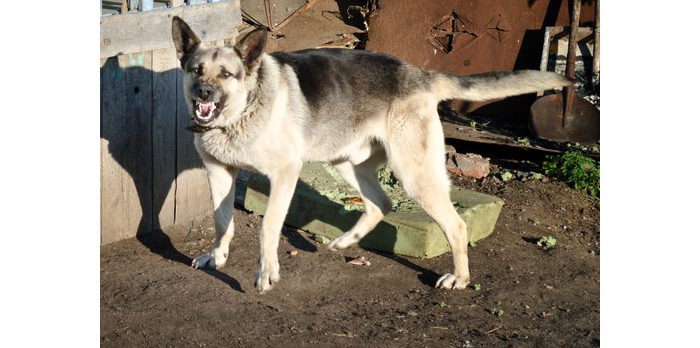
How A Dog Bite Prevention Expert Can Protect Your Family?
Dog bites can be a serious concern for families, but many people underestimate the risks involved. Every year, thousands of individuals, especially children, face injuries from unprovoked dog attacks. Understanding how to prevent such incidents is crucial for safeguarding your loved ones. That’s where a dog bite prevention expert comes into play. These professionals possess specialized knowledge and skills designed to protect families and foster safe interactions with our furry friends. In this blog post, we’ll explore the importance of their role and provide you with valuable insights on keeping your family safe from potential dangers lurking in canine companionship.
The Role Of A Dog Bite Prevention Expert
A dog bite prevention expert plays a critical role in safeguarding families from the risks associated with canine aggression. They possess specialized knowledge about dog behavior and body language, which helps identify potential threats.
These professionals assess environments where dogs interact with people, including homes, parks, and schools. By evaluating these settings, they can pinpoint hazards that may lead to bites or attacks.
They provide tailored training for both dogs and their owners. This includes teaching families how to recognize signs of stress in a dog and when to intervene.
Moreover, experts often conduct workshops aimed at community education. Spreading awareness about responsible pet ownership is essential in reducing incidents of biting.
Their expertise not only protects individuals but also fosters harmonious relationships between pets and humans. Safe interactions can enhance the bond between families and their furry companions.
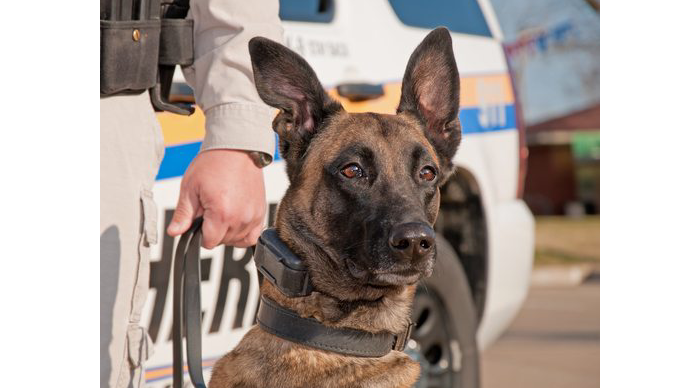
How To Choose The Right Expert For Your Family?
Choosing the right dog bite prevention expert is crucial for your family’s safety. Start by researching local professionals with strong reputations.
Look for credentials and experience in dog behavior or animal training. Experts should have a solid understanding of both canine psychology and safety protocols.
Ask for recommendations from friends, family, or veterinarians. Personal experiences can guide you to skilled individuals who genuinely care about community safety.
Schedule consultations to gauge their approach. A good expert will listen to your concerns and tailor strategies that fit your family’s lifestyle.
Evaluate their teaching style as well. They should communicate clearly and engage with both parents and children effectively.
Trust your instincts during this process; comfort level matters when it comes to protecting loved ones from potential risks associated with dogs.
Techniques And Tools Used By Experts For Prevention
Dog bite prevention experts utilize various techniques and tools to minimize risks effectively. One of the key methods is behavior assessment, where experts evaluate a dog’s temperament and environment. This helps identify potential triggers for aggressive behavior.
Training sessions play a crucial role as well. Experts often conduct controlled interactions between dogs and people to teach proper etiquette. These sessions help familiarize both parties with safe behaviors.
Tools like muzzles can also be part of preventive measures when necessary. Properly fitted muzzles allow owners to manage their pets in public settings without compromising safety.
Additionally, educational materials such as pamphlets or workshops raise awareness about dog body language and warning signs. Engaging communities fosters a culture of responsible pet ownership that significantly contributes to reducing incidents.
By employing these strategies, dog bite prevention experts create safer environments for families and their furry companions alike.
Educating Children On Dog Safety
Teaching children about dog safety is crucial for preventing bites. Kids need to understand that not all dogs are friendly, even if they seem cute and playful.
Start by explaining the signs of a happy dog versus an upset one. A wagging tail doesn’t always mean a dog wants to play. Teach them to look for body language cues like growling or raised fur.
Encourage children to approach dogs slowly and ask permission from the owner before petting. This fosters respect for animals and awareness of their boundaries.
Role-playing different scenarios can also be effective. Pretend you’re meeting a new dog and practice how they should behave, reinforcing positive interactions while maintaining safety protocols.
Remind kids that if a dog appears scared or uncomfortable, it’s best to leave it alone. Instilling these habits early can create lifelong respectful behaviors toward our furry friends.
Common Misconceptions About Dog Bite Prevention
Many people believe that only aggressive dogs bite. This misconception overlooks the fact that even calm and friendly dogs can react unexpectedly if they feel threatened or scared.
Another common myth is that all dog bites happen due to provocation. While some incidents stem from teasing or rough handling, many bites occur during normal interactions. Understanding dog body language is essential to prevent these situations.
Some individuals assume their pets don’t need training in social settings. However, proper training helps reinforce good behavior around strangers and children, reducing the likelihood of biting incidents.
Additionally, there’s a belief that smaller breeds are harmless. Small dogs may be perceived as less dangerous but can bite just as hard when frightened or defensive.
By dispelling these misconceptions, families can better prepare for safe interactions with dogs of all sizes and temperaments. Education plays a crucial role in effective dog bite prevention strategies.
Conclusion
Understanding the risk of dog bites is crucial for every family. Statistics show that millions of dog bite incidents occur each year, posing serious threats to children and adults alike. Knowing how to prevent these situations can save lives and prevent emotional trauma.
A dog bite prevention expert plays a vital role in teaching families about proper interactions with dogs. These professionals are trained to assess behaviors, identify triggers, and create safe environments for both pets and humans. They help instill confidence in handling different types of dogs while providing valuable insights into canine body language.
Choosing the right expert involves looking for credentials, experience, and recommendations from others who have benefited from their services. It’s important to select someone who understands your family’s specific needs and concerns regarding pet safety.
Experts utilize various techniques like behavior modification training, desensitization strategies, and socialization exercises to reduce the likelihood of aggression or biting incidents. Additionally, they may implement tools such as muzzles or barriers during training sessions for added safety.
Educating children on dog safety cannot be overlooked. Teaching them how to interact with dogs respectfully helps foster positive relationships while minimizing risks associated with misunderstandings between kids and pets.
There are common misconceptions surrounding dog bite prevention that need addressing. Many people believe all aggressive dogs will attack without warning or think that only certain breeds pose a threat; however, any dog can potentially bite when feeling threatened or scared if not properly managed.
By understanding these aspects thoroughly—alongside consulting a qualified dog bite prevention expert—you can significantly enhance your family’s safety around dogs while promoting healthier interactions within communities where pets reside.

Roderick Smith is a writer, blogger, and business owner. He has been writing for over 5 years and his blog naouelmoha.net offers valuable information about the business, health, law, and the latest technology. Roderick lives in Nashville with his wife and three children.