
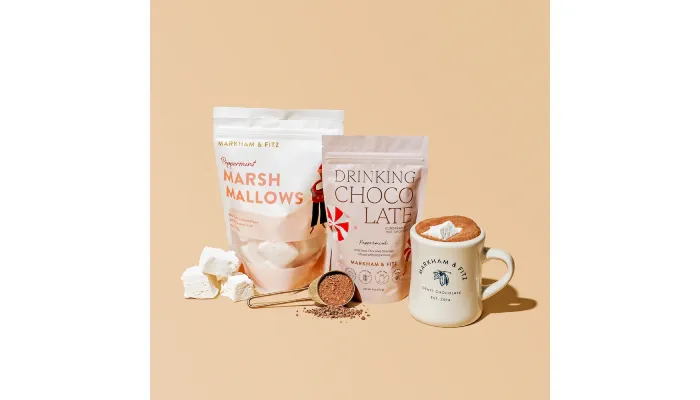
How to Use Best Chocolate Powder in Desserts?
Using the best chocolate powder in desserts starts with knowing the type you need. Natural cocoa powder is great if your recipe calls for baking soda since its acidity helps with rising, plus it gives a bright, fruity chocolate flavor. Dutch-processed powder is smoother and darker but requires baking powder because it’s neutral in pH, ideal for frostings or rich ganaches. For a bold look and taste, black cocoa powder works well in cookies or dark cakes. Make sure to sift your cocoa with dry ingredients to avoid clumps and consider adding a bit of espresso powder to deepen the chocolate flavor without overpowering it. Always adjust leavening depending on the cocoa type used to get perfect texture and taste every time.
Types of Chocolate Powder and When to Use Them?
Natural cocoa powder is light brown with a bright, fruity chocolate flavor and an acidic pH around 4.5 to 5. Its acidity allows it to react with baking soda, making it the best choice for recipes that need leavening, like classic chocolate cakes. If your recipe calls for baking soda, natural cocoa powder is usually the way to go for that traditional chocolate taste. Dutch-processed cocoa powder, on the other hand, is darker and has a neutral pH between 6 and 8 because it’s been alkalized. This gives it a smoother, mellow flavor without acidity. Since Dutch-processed cocoa doesn’t react with baking soda, recipes using it typically require baking powder instead. It’s often preferred in frostings, ganache, sauces, and desserts where you want a rich, deep chocolate flavor and darker color. Black cocoa powder is very dark, almost black, with a strong, bold flavor. It’s usually Dutch-processed and non-acidic, ideal for creating dramatic color effects in cookies and cakes, like Oreo-style cookies. Some specialty blends mix natural and Dutch-processed powders or add black cocoa to produce more complex flavors. Choosing the right chocolate powder depends on the leavening agents your recipe uses and the flavor profile you want. Using the wrong type without adjusting leavening can lead to texture problems and poor rise in baked goods.

How to Choose High-Quality Chocolate Powder?
When selecting chocolate powder for desserts, start by checking the fat content. Powders with about 22 to 24 percent fat offer a richer, smoother flavor and better mouthfeel, which really improves the texture of your finished product. Opt for reputable brands or artisan makers known for consistent quality; these tend to deliver powders that don’t taste flat or overly bitter. Avoid powders with fillers or low cocoa solids, as these can have an artificial or dull flavor. Freshness matters too, choose powders in sealed packaging and store them away from moisture and heat to prevent clumping, which is a sign of poor quality or exposure to humidity. Consider the type of powder: natural cocoa has a bright, slightly acidic aroma, while Dutch-processed powders like Guittard Cocoa Rouge have a darker color and smoother, less acidic scent favored by many chefs for frostings and sauces. Also, think about your recipe’s needs, some powders work better in baking with leavening agents, while others shine in frostings or ganache. While price can be an indicator, mid-range powders often provide excellent taste without a premium cost, so balance quality with budget for the best results.
- Look for cocoa powders with a fat content around 22 to 24 percent for a richer, smoother flavor and better mouthfeel.
- Choose reputable brands and artisan chocolate makers for consistent flavor.
- Avoid powders with fillers or low cocoa solids to prevent flat or artificial taste.
- Check the powder’s freshness and packaging; store away from moisture and heat.
- Specialty powders like Guittard Cocoa Rouge (Dutch-processed) are highly recommended by chefs.
- Natural cocoa powders should have a bright aroma and slightly acidic scent.
- Dutch-processed powders often look darker, have a smoother texture, and less acidic smell.
- Avoid powders that clump excessively, indicating moisture exposure or poor quality.
- Consider the intended use as some powders work better for frostings or baking.
- Price can reflect quality, but mid-priced powders may offer excellent results without premium cost.
Ways to Boost Chocolate Flavor in Desserts
To deepen the chocolate flavor in your desserts, start by adding about one teaspoon of espresso powder or instant coffee granules to the dry ingredients. This enhances the chocolate notes without making the dessert taste like coffee. You can also replace part of the liquid in your recipe with brewed coffee (up to one cup) to intensify richness, especially in cakes and brownies. Pay attention to acidity when using cocoa powder: natural cocoa powder, which is acidic, works best with baking soda, while Dutch-processed cocoa requires baking powder or other leaveners for proper rise. Avoid overbaking your chocolate treats, as this can dry them out and weaken the chocolate flavor. A small pinch of salt goes a long way in balancing bitterness and boosting overall taste. Consider adding complementary flavors like cinnamon or vanilla extract, which round out the chocolate profile nicely. For a more complex and intense flavor, try combining cocoa powder with melted chocolate or chocolate chips. Be careful not to overpower your desserts with too much coffee or strong spices; subtlety is key. Whisk your dry ingredients thoroughly to ensure the cocoa powder is evenly distributed, giving you a consistent chocolate taste in every bite. Finally, when using unsweetened cocoa powder, be sure to taste and adjust the sugar levels to balance any bitterness for the best results.
How to Properly Mix and Use Cocoa Powder?
To avoid clumps and ensure even flavor distribution, always sift or whisk cocoa powder together with your dry ingredients like flour or sugar before adding any wet ingredients. This step is crucial because cocoa powder tends to clump and can cause uneven texture if added directly to wet mixtures. When choosing which cocoa powder to use, unsweetened cocoa powder is best as it gives you full control over the sweetness of your dessert. Remember that the type of cocoa powder affects the leavening agent: natural cocoa powder works with baking soda due to its acidity, while Dutch-processed cocoa powder, which is neutral, requires baking powder for proper rise. In frostings and ganache, Dutch-processed cocoa powder is preferred because it creates a smoother texture and a richer, darker color. For sauces and beverages, mix cocoa powder slowly into hot liquids and whisk thoroughly to prevent lumps. Avoid adding cocoa powder straight into wet ingredients without first combining it with dry elements, as this can lead to uneven mixing. If you switch between different types of cocoa powder in recipes, be sure to adjust the leavening agents accordingly to keep the texture consistent. For desserts needing a deep chocolate flavor, combining cocoa powder with melted chocolate or chocolate chips can add richness and complexity. Finally, store cocoa powder in airtight containers away from heat and moisture, and use it promptly after opening to maintain its freshness and full flavor.
Best Cocoa Powder for Different Dessert Recipes
Fudgy brownies benefit most from Dutch-processed cocoa powder, which gives them a rich, deep flavor and a dark, appealing color. For classic chocolate cakes, natural cocoa powder is preferred because its acidity reacts with baking soda, helping the cake rise well and giving bright, lively chocolate notes. When making chocolate mousse or tortes, adding a bit of espresso powder to the cocoa can boost the complexity of the chocolate flavor without making it taste like coffee. Chocolate cream pies often rely on cocoa powder in the filling to create a smooth, balanced chocolate taste that isn’t too overpowering. Hot chocolate drinks and cocoa pancakes come alive with high-quality, fresh cocoa powder, which provides full flavor and a satisfying chocolate punch. For chocolate cookies, especially crinkle tops or Oreo-style, black cocoa powder is the go-to choice due to its almost black color and bold flavor, adding drama and intensity. Ganache and frostings usually call for Dutch-processed cocoa powder because it offers smoothness, a dark color, and a balanced taste that blends well with fats and sugars. Some recipes even blend natural and Dutch-processed powders to balance acidity and flavor intensity, which can affect texture, natural cocoa tends to produce a lighter crumb, while Dutch-processed yields a denser, richer result. To get the best baking outcome, adjust leavening agents and moisture depending on the type of cocoa powder used, since natural and Dutch-processed powders react differently during baking.
Common Mistakes When Using Chocolate Powder
One common mistake is substituting hot cocoa mix or sweetened powders for unsweetened cocoa powder. This can unpredictably change the texture and flavor of your dessert because these mixes contain sugar and other additives that affect how the ingredients combine. Another frequent error is not adjusting leavening agents when switching between natural and Dutch-processed cocoa powders. Natural cocoa is acidic and reacts with baking soda to help the dessert rise, while Dutch-processed cocoa is neutral and usually requires baking powder instead. Ignoring this can lead to poor rise and dense texture.
Adding cocoa powder directly to wet ingredients without sifting or mixing it with dry ingredients often causes clumps, making it hard to get a smooth batter or sauce. It’s best to sift or whisk cocoa powder with flour or sugar first to ensure even distribution. Storing cocoa powder in humid or warm places leads to clumping and stale flavors, so keep it in a cool, dry, airtight container.
Overbaking is another problem that dries out chocolate desserts and dulls their flavor. Chocolate powder needs the right baking time to preserve moisture and richness. Using low-fat or low-quality cocoa powders results in flat or overly bitter chocolate taste, so choose powders with higher fat content and good reputation for better flavor.
Ignoring the acidity differences between natural and Dutch-processed cocoa powder can disrupt recipe chemistry and texture, leading to disappointing results. Also, not balancing sugar levels when using unsweetened cocoa powder can make desserts too bitter or too sweet, so adjust sugar accordingly. In sauces or beverages, failing to whisk cocoa powder properly causes lumps and uneven flavor.
Lastly, while small amounts of espresso or coffee powder can enhance chocolate flavor, overusing these can overpower the chocolate instead of complementing it. Using about a teaspoon is usually enough to deepen the taste without masking it.
Storage Tips to Keep Cocoa Powder Fresh
To keep cocoa powder fresh and flavorful, store it in airtight containers that block moisture and prevent it from picking up unwanted odors. A cool, dry place away from heat sources like ovens or direct sunlight is ideal. Avoid placing cocoa powder near strong spices or foods since it easily absorbs their smells, which can alter its taste. Refrigerating or freezing cocoa powder is not recommended because condensation can cause clumping and spoil the texture. After opening, use the powder within six months to a year to enjoy the best flavor and potency. Always check for lumps before using, as lumps often indicate moisture exposure and reduced quality. If the original packaging isn’t resealable, transfer the powder to a sealed container and label it with the date it was opened to keep track of freshness. When scooping, use dry, clean utensils to avoid contamination. If you notice any off smells or signs of mold, discard the cocoa powder immediately to avoid ruining your recipes.
Resource URL:
https://markhamandfitz.com/collections/chocolate-beverages
https://en.wikipedia.org/wiki/Chocolate

Roderick Smith is a writer, blogger, and business owner. He has been writing for over 5 years and his blog naouelmoha.net offers valuable information about the business, health, law, and the latest technology. Roderick lives in Nashville with his wife and three children.