How to Choose the Right Back Pain Treatment in Milton?
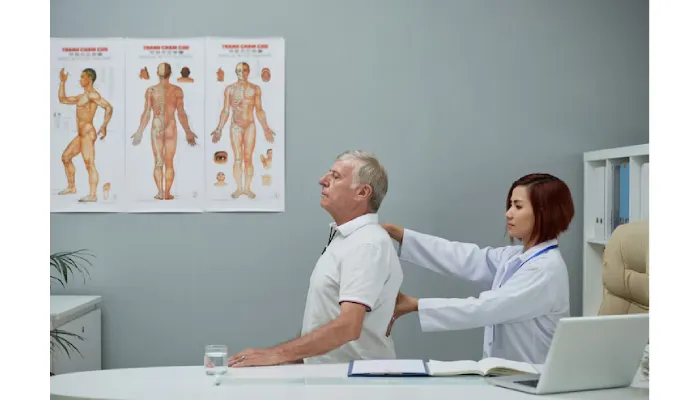
Choosing the right back pain treatment in Milton starts with getting an accurate diagnosis to understand your pain type and cause. It’s important to begin with nonpharmacologic options like physiotherapy, massage, or gentle exercises that improve strength and posture. For persistent or severe cases, medications such as NSAIDs or muscle relaxants might be needed, but opioids should be avoided unless absolutely necessary. Local clinics offering combined treatments, like chiropractic care alongside physical therapy, can provide a well-rounded approach. Always consider your personal health, lifestyle, and preferences when selecting a provider. Checking credentials and seeking treatments that include patient education can help manage pain effectively over time.
Diagnostic Tests for Accurate Back Pain Assessment
A precise diagnosis is crucial for effective back pain treatment in Milton. It starts with a thorough history and physical exam, focusing on the nature of the pain and any neurological symptoms like numbness or weakness. Imaging tests such as X-rays are often the first step to detect fractures, bone issues, or signs of arthritis. When soft tissues like discs or nerves need closer examination, an MRI provides detailed images to spot herniated discs or spinal stenosis. If MRI is not an option, CT scans can offer a clear view of the bone structures. Blood tests might be ordered to rule out infections, inflammation, or cancer that could cause back pain. For nerve-related concerns, electromyography (EMG) and nerve conduction studies help determine if nerve irritation or damage is present. Sometimes, diagnostic injections like nerve blocks or facet joint injections are used to pinpoint the exact source of pain. Importantly, these tests are generally reserved for cases with severe symptoms, neurological problems, or suspicion of serious conditions. Test results should always be interpreted alongside clinical findings to avoid unnecessary treatments. A timely and accurate diagnosis guides targeted therapies and helps prevent interventions that may not be needed.

Guidelines to Select Back Pain Treatment
When choosing a back pain treatment in Milton, it’s best to start with non-drug approaches such as physical therapy, gentle exercise, and heat application, especially for new or mild pain. These methods help improve mobility and reduce pain without the risks associated with medications. Treatment should be tailored to your age, pain level, how much it limits your daily activities, and your personal preferences. Avoid staying in bed for more than one or two days; instead, aim for a gradual return to normal activities to support healing. It’s important to regularly check if your treatment is working and make changes if needed. Use medications carefully and only when necessary, avoiding opioids unless there are no safer alternatives. If your pain seems linked to stress or mental health issues, consider psychological support or stress management techniques. For pain that lasts more than six weeks or gets worse despite initial care, seeing a specialist is wise. Complex or chronic cases often benefit from combining several treatment methods to address different aspects of pain. Learning self-management skills and understanding realistic recovery timelines are key to long-term success. If medications are part of your plan, keep an eye out for side effects or interactions. Following these guidelines can help ensure you find the most effective and safe treatment for your back pain.
Non-Drug Treatments for Back Pain Relief
Non-drug treatments for back pain offer effective ways to ease discomfort while avoiding the risks associated with medications. Applying superficial heat, like a warm pack, can help relax tight muscles and improve blood flow, which aids healing. Massage therapy is another option that reduces muscle tension and promotes relaxation, making it easier to move without pain. Acupuncture, by stimulating specific points on the body, may provide pain relief for some individuals. Spinal manipulation performed by trained professionals can improve spinal mobility and decrease pain, especially when combined with other therapies. Exercise programs that focus on stretching and strengthening the back and abdominal muscles play a key role in supporting the spine and preventing future pain episodes. Techniques such as mindfulness, tai chi, yoga, and relaxation exercises address stress-related pain by calming the nervous system and improving body awareness. Physical therapy is essential for teaching proper movement patterns and correcting posture, which helps reduce strain on the back. Additionally, treatments like myofascial release target tight fascia and muscle knots, offering relief from stubborn areas of discomfort. TENS units, which provide mild electrical stimulation, can block pain signals and reduce the sensation of pain temporarily. Overall, non-drug approaches support long-term pain control and promote healing by addressing the root causes of back pain rather than just masking symptoms.
Medications Used in Managing Back Pain
Medications play an important role in managing back pain, especially when combined with physical therapies. Nonsteroidal anti-inflammatory drugs (NSAIDs) like ibuprofen and naproxen are often the first choice because they reduce inflammation and relieve pain effectively. Muscle relaxants can help ease muscle spasms and the discomfort that comes with them, though they may cause drowsiness. Topical analgesics offer targeted pain relief with fewer side effects, making them a good option for localized pain.
For chronic back pain that doesn’t respond well to NSAIDs, medications such as duloxetine, an antidepressant, or tramadol, a mild opioid, might be considered. These work by modifying pain pathways but require careful assessment and monitoring. Stronger opioids are generally reserved for severe cases due to the risk of addiction and other side effects; they should only be used under close medical supervision. Antidepressants like amitriptyline may also be prescribed to help modulate chronic pain, especially when nerve involvement is suspected.
It’s important to use the lowest effective dose for the shortest duration possible to minimize risks. Patients should be monitored for side effects, such as gastrointestinal issues from NSAIDs or sedation from muscle relaxants. Regular review of medication necessity helps avoid long-term dependency. Ultimately, combining medication with physical treatments like physiotherapy leads to better outcomes and supports recovery.
Surgical and Advanced Pain Relief Options
When conservative treatments no longer provide relief, surgical and advanced pain relief options may be considered for back pain in Milton. Cortisone injections are often used to reduce nerve inflammation that causes radiating pain, offering temporary but effective relief. For chronic pain, radiofrequency ablation can disrupt nerve pathways to decrease pain signals. Implanted nerve stimulators work by sending mild electrical pulses to block pain signals from reaching the brain, helping patients manage persistent discomfort. Surgical procedures are usually reserved for severe symptoms or neurological deficits, such as muscle weakness or loss of function. Common surgeries include discectomy, which removes herniated disc material pressing on nerves; laminectomy, where part of the vertebra is removed to relieve spinal stenosis; and spinal fusion, which stabilizes spinal segments affected by instability or deformity. Before surgery, a thorough evaluation with imaging tests and functional assessments is crucial to ensure the procedure is appropriate. It’s important to discuss the risks, benefits, and realistic outcomes with your surgeon to make an informed decision. Post-surgery rehabilitation plays a vital role in restoring strength and mobility, helping patients regain their quality of life.
How to Choose the Right Treatment and Provider?
Choosing the right back pain treatment and provider starts with ensuring a thorough assessment to identify the exact cause of your pain. A good provider will take time to understand your symptoms, health status, lifestyle, and how the pain affects your daily activities before recommending any treatment. Treatments should be tailored to your individual needs rather than a one-size-fits-all approach. Look for providers who offer a team-based approach that includes physiotherapy, chiropractic care, massage, and acupuncture, as this multidisciplinary care often leads to better outcomes.
It’s important that the provider clearly explains your diagnosis and all available treatment options, answering any questions you have so you can make informed decisions. Before committing, verify their credentials, experience with back pain management, and success rates. Accessibility also matters: consider the clinic’s location, appointment availability, and whether they accept your insurance.
Avoid providers who promise quick fixes or push invasive procedures without a detailed evaluation. Instead, seek those who emphasize patient education on self-care, prevention, and realistic expectations. Regular follow-up visits are essential to monitor your progress and adjust the treatment plan if needed. Checking reviews and asking for referrals from trusted sources in Milton can help you find a reliable provider committed to your long-term recovery.
Top Back Pain Clinics and Therapies in Milton
Milton offers several clinics that provide effective and tailored treatments for back pain, combining various therapies to address different needs. TrueCare Physiotherapy stands out by integrating physiotherapy, chiropractic care, and massage therapy to create personalized plans for back pain relief. Valeo Physiotherapy uses modern technology alongside customized programs, focusing especially on chronic low back pain. For those seeking natural and non-invasive approaches, the Natural Health Clinic of Halton specializes in osteopathy and offers free consultations. MEX Physio has certified therapists who concentrate on sciatica and general back pain, providing specialized care for nerve-related issues. Revolve Physiotherapy features a dedicated team focused on rehabilitation for lower back pain, emphasizing recovery and function. Milton Back Doc combines chiropractic, physiotherapy, and massage under one roof, offering a multidisciplinary approach that suits many patients’ needs. The Healthy Family Chiropractic targets upper back pain with spinal adjustments and soft tissue massage, which can be effective for muscular tension and posture-related discomfort. Omni Clinic serves both Milton and nearby Burlington, providing chiropractic care and specialized lower back pain programs that cater to varying severity levels. Hope Wellness Centre highlights physiotherapy aimed at restoring strength and mobility, helping patients regain their quality of life. Many of these clinics embrace multidisciplinary methods, which is important since back pain often involves multiple factors. Choosing a clinic that offers a combination of therapies can improve treatment outcomes by addressing muscle, nerve, and joint problems together. For example, combining chiropractic adjustments with physiotherapy exercises and massage can relieve pain while improving function and preventing recurrence. Patients in Milton have access to a range of options from highly specialized clinics to comprehensive centers, allowing them to find care that fits their specific condition and preferences.
Steps to Find Suitable Back Pain Care in Milton
Begin your back pain treatment journey in Milton with a thorough evaluation by a primary care physician or a licensed physiotherapist. This initial step helps identify the cause and severity of your pain, guiding your treatment options effectively. Before considering invasive procedures, try conservative approaches such as physical therapy and lifestyle changes like improving posture and regular low-impact exercise. Look for clinics that offer integrated care combining physiotherapy, chiropractic care, massage, and acupuncture, as this multidisciplinary approach can address different aspects of pain and recovery. When selecting a provider, ask about individualized treatment plans tailored to your specific condition and whether they offer patient education programs to help you understand and manage your back pain better. Checking credentials, patient reviews, and success stories can provide insight into the quality of care you might receive. It’s also important to verify your insurance coverage and understand any out-of-pocket costs before starting treatment to avoid surprises. Keep track of your progress and report any worsening symptoms promptly to your healthcare provider. If your pain continues beyond the expected recovery period, seek referrals to specialists such as orthopedic surgeons or pain management experts. Prepare for appointments by noting your pain patterns, triggers, and previous treatments to help your provider make informed decisions. Finally, engage support from family or friends for transportation and motivation during your recovery process, as having a support system often improves treatment adherence and outcomes.
Lifestyle Tips to Support Back Pain Recovery
Maintaining regular low-impact exercise like walking, swimming, or cycling helps strengthen your back and promotes healing without putting too much strain on your spine. Practicing good posture during sitting, standing, and lifting is essential to avoid aggravating your pain. Using ergonomic chairs and setting up your workstation properly can reduce unnecessary stress on your back throughout the day. Applying heat or cold packs can ease pain and muscle stiffness when needed, providing simple relief at home. Incorporating stretching routines that focus on your back, hamstrings, and hip flexors improves flexibility and reduces tightness that may contribute to discomfort. Avoid heavy lifting or sudden twisting motions, as these can worsen your symptoms. Managing stress through relaxation techniques like deep breathing or meditation is important because stress often increases muscle tension and pain. Maintaining a healthy weight lessens the pressure on your spine, which can improve recovery. Getting enough sleep on a supportive mattress and pillow allows your body to repair itself properly. Lastly, staying hydrated and eating a balanced diet supports tissue health and healing, giving your back the nutrients it needs to recover effectively.
- Maintain regular low-impact exercise like walking, swimming, or cycling to improve back strength.
- Practice good posture during sitting, standing, and lifting activities.
- Use ergonomic chairs and workstations to reduce strain on the back.
- Apply heat or cold packs to manage pain and muscle stiffness as needed.
- Incorporate stretching routines focusing on back, hamstrings, and hip flexors.
- Avoid heavy lifting or sudden twisting motions that can exacerbate pain.
- Manage stress through relaxation techniques, as stress can increase muscle tension.
- Maintain a healthy weight to reduce pressure on the spine.
- Get adequate sleep on a supportive mattress and pillow.
- Stay hydrated and eat a balanced diet to support tissue health and healing.

Roderick Smith is a writer, blogger, and business owner. He has been writing for over 5 years and his blog naouelmoha.net offers valuable information about the business, health, law, and the latest technology. Roderick lives in Nashville with his wife and three children.