
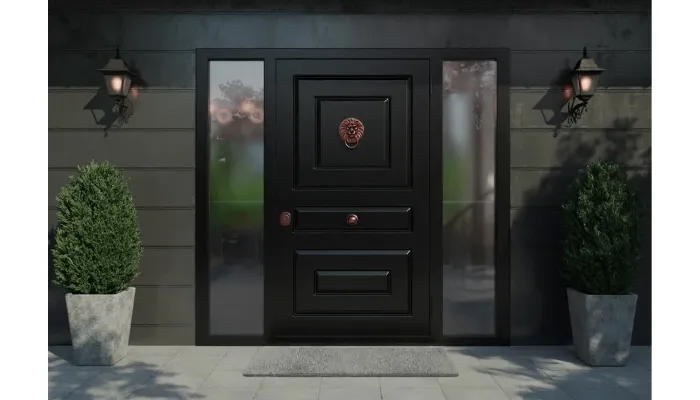
What to Look for in Steel Security Doors?
When selecting steel security doors, it’s important to keep various factors in mind. Start with material quality; high-grade steel, ideally 11-gauge or thicker, provides the best protection against break-ins. Evaluate construction features like reinforced frames and multi-layer designs that enhance strength. A reliable locking mechanism, preferably a multi-point system, is essential for added security. Also, focus on hinges and hardware, look for tamper-proof options that align with your aesthetic goals. Don’t forget about weather resistance; strong seals prevent air leaks during storms. Finally, ensure certifications for fire safety and ballistic ratings meet your needs to make a well-rounded choice.
1. Material Quality for Steel Security Doors
When selecting steel security doors, the material quality is paramount. Look for doors made from 11-gauge steel or thicker, as this thickness provides superior strength against forced entry. Corrosion-resistant coatings are also crucial; they help extend the lifespan of the door by protecting it from the elements. Galvanized steel options offer added protection against rust, making them a wise choice for moisture-prone areas.
The weight of the door can be an indicator of its quality; heavier doors typically mean better construction and durability. It’s essential to check for certifications that affirm the steel’s quality and durability, ensuring that you are investing in a reliable product. Researching the manufacturer’s reputation is equally importantchoose a brand known for producing high-quality doors that withstand the test of time.
Another feature to consider is whether the door includes a thermal break, which helps improve energy efficiency by minimizing heat transfer. A solid core is also beneficial, providing enhanced security and insulation. Look for doors that have been tested for durability under extreme conditions, as this gives you confidence in their performance. Finally, consider custom options if you have unique security needs or specific architectural requirements.

2. Key Construction Features to Consider
When searching for steel security doors, focus on the construction features that enhance strength and security. Look for doors with reinforced frames, as this adds significant structural integrity. A multi-layer construction is also essential; it not only improves durability but can include insulation for better energy efficiency. Make sure the door has been tested for forced entry resistance, indicating it can withstand break-in attempts.
Welded seams are preferable over screws, as welding provides greater strength and reduces potential weak points. Consider doors that include a thermal barrier to minimize heat transfer, contributing to energy savings. The internal structure should feature strong materials, like honeycomb or polystyrene cores, which further reinforce the door.
Seamless edges are a smart choice, as they make it harder for intruders to tamper with the door. Additionally, ensure the door has a secure mount for hardware, which helps resist wear and tear over time. Designs that minimize gaps not only enhance security but also improve energy efficiency by reducing drafts. Lastly, verify that the door has been tested for impact resistance to ensure it can handle various stressors.
3. Importance of Locking Mechanisms
When selecting a steel security door, the locking mechanisms play a crucial role in ensuring your safety. It’s wise to opt for doors that feature a multi-point locking system. This means that instead of just one lock, multiple points along the door secure it in place, making it significantly harder for intruders to force their way in. The materials used in these locks are just as important; choose locks made from hardened steel, which can withstand cutting and tampering.
Additionally, look for locks that incorporate anti-drill and anti-pick technologies. These features are designed to thwart common break-in methods. Deadbolts should have at least a one-inch throw, providing a robust barrier against forced entry.
For those who prefer modern convenience, consider locks that offer keyless entry options. These can simplify access while still providing high security. It’s essential to ensure that the locking mechanism is both easy to operate and secure, as you don’t want to compromise on functionality.
Another important factor is to check if the locks meet ANSI/BHMA standards, which indicate a level of quality and security assurance. Some doors also come with secondary locking options for added peace of mind, which can be a smart choice for vulnerable areas.
If you’re looking for advanced features, electronic locks might be worth considering. They often come with enhanced security options such as temporary access codes and alerts.
Lastly, don’t forget to research the warranty on the locking mechanisms. A good warranty can provide peace of mind, ensuring that you’re covered should any issues arise.
4. Evaluating Hinges and Hardware
When selecting steel security doors, the hinges and hardware play a crucial role in overall security. Begin by choosing hinges that are tamper-resistant. This feature helps prevent unauthorized access, as they are designed to withstand attempts to remove or manipulate them. Opt for heavy-duty hinges capable of supporting the weight of the door, ensuring they won’t sag or fail over time. Adjustable hinges can simplify installation, allowing for precise fitting during setup.
Stainless steel hinges are a wise choice since they resist rusting, contributing to the longevity of your door. For a cleaner aesthetic and added security, consider concealed hinges, which are hidden from view and make it harder for intruders to tamper with them. Ensure that the hardware you select, including knobs, handles, and deadbolts, aligns with the door’s design and intended function.
5. Choosing the Right Screen Types
When selecting screens for your steel security doors, focus on materials and functionality. High-tensile woven mesh is a smart choice for strength and visibility, allowing you to see outside while maintaining security. Perforated mesh screens are great for airflow, ensuring your space stays comfortable without sacrificing safety. Look for mesh steel screens that resist cuts and impacts, as these will provide an extra layer of defense against potential intruders.
Additionally, check if the screens are powder-coated; this helps in resisting corrosion, prolonging the life of the screen. A snug fit within the frame is crucial to prevent any gaps that could be exploited for intrusion. For added convenience, consider retractable screens that can be easily moved out of the way when not in use.
Maintenance is also key, so investigate options that are easy to remove for cleaning or replacement. If sunlight exposure is a concern, look for screens with UV protection to prevent fading over time. Privacy is important too, so select screens that minimize visibility from outside. If you have pets, pet-resistant screens can provide peace of mind while keeping your furry friends safe.
6. Aesthetic Design Options Available
When selecting steel security doors, it’s important to consider designs that harmonize with your home’s architectural style. You might want to choose from a variety of customizable colors to ensure that the door complements your home’s exterior. Look for decorative elements, such as glass inserts or unique patterns, which can add a touch of elegance without sacrificing security. Additionally, evaluate the finishes available—whether you prefer a matte look or a glossy shine—and consider options with different textures for added visual interest.
Decide if you lean more towards traditional or modern designs, as there are plenty of choices to match your personal style. Some doors can even be painted or stained to perfectly align with your interior decor. If your home features unconventional door frames, research unique shapes or sizes that will fit seamlessly. It’s also wise to select designs that incorporate security features while maintaining aesthetic appeal. Lastly, check if the manufacturer offers a range of styles to ensure that you find the perfect balance between safety and beauty.
7. Weather Resistance Features to Look For
When selecting steel security doors, weather resistance is a critical factor to consider. Look for doors equipped with weatherstripping to effectively block drafts and moisture, ensuring a comfortable indoor environment. Thermal breaks are another essential feature, as they significantly enhance insulation by preventing heat transfer, which can help reduce energy costs. It’s wise to check if the door has been tested against wind and impact ratings, especially if you live in an area prone to severe weather.
UV resistance is also important; doors that can withstand sun exposure will prevent fading and deterioration over time. Additionally, evaluate the door’s ability to handle extreme temperatures, which can affect both the material and its functionality. Features designed to prevent water intrusion during heavy rains are crucial, so ensure the door has a robust threshold that blocks both water and air leaks.
Consider options that include drainage systems to channel away water effectively, reducing the risk of water damage. Finally, researching the door’s performance in various climates and verifying that it meets local building codes for weather resistance will help ensure you make a choice that stands the test of time.
8. Understanding Fire and Ballistic Ratings
When selecting steel security doors, understanding fire and ballistic ratings is crucial for ensuring safety. Look for fire ratings that indicate how long a door can withstand flames and smoke, typically 20, 45, or 90 minutes. These ratings reflect the door’s ability to prevent the spread of fire, which can be vital in emergencies. Ensure the door has been tested against fire exposure and meets local fire safety regulations. For areas at higher risk, consider ballistic-rated options designed to resist projectiles. Always check if the door has been certified by relevant safety organizations, as this adds an extra layer of assurance. It’s also important to assess the door’s ability to prevent smoke and heat transfer, as these factors can significantly impact safety during a fire. Materials used in construction can affect fire resistance; look for doors with intumescent seals that expand when heated, providing an additional barrier against flames. Some doors combine fire safety and security features, making them a smart choice for comprehensive protection. Lastly, keep in mind that fire ratings can influence insurance premiums, so researching this aspect can save you money in the long run.
9. Installation and Maintenance Tips
Having a steel security door installed properly is crucial for ensuring its effectiveness. Always hire a licensed professional for installation to comply with security regulations. Be sure to follow the manufacturer’s installation guidelines closely; this will help maximize the door’s security features.
Regular inspections are essential to catch any signs of wear or damage early. Look for scratches, dents, or rust that could compromise the door’s integrity. Cleaning the door periodically will not only enhance its appearance but also ensure it functions correctly.
Don’t forget to lubricate the locks and hinges; this will keep the door operating smoothly. Additionally, check the seals and weatherstripping for any signs of wear and replace them if necessary to maintain energy efficiency and prevent drafts.
For ongoing care, consider hiring professionals for maintenance services. They can provide expert insights and ensure everything is in top condition. Also, review the warranty details concerning installation and maintenance; knowing what is covered can save you headaches down the line.
10. Certification and Standards to Check
When selecting a steel security door, it’s crucial to ensure it meets various certifications and standards that verify its security and safety. Start by checking if the door complies with industry standards set by recognized organizations. Look for certifications from ANSI/BHMA, which confirm that the locks and hardware are tested for durability and reliability. Additionally, fire ratings are important; check for certifications from reputable organizations that indicate how long the door can withstand fire, as this can be key in emergencies.
Don’t overlook local building codes and regulations, as these ensure that the door is suitable for your area’s specific requirements. It’s also wise to look for independent laboratory tests that assess the door’s durability, which can provide peace of mind regarding its resistance to wear and tear over time. Furthermore, energy efficiency standards are becoming increasingly important, so verify if the door is compliant with these to help reduce heating and cooling costs.
Environmental regulations should also be considered; ensure that the materials used in the door are eco-friendly. Investigate the manufacturer’s adherence to quality management standards, as this reflects their commitment to producing high-quality products. Customer reviews can give insight into whether a door truly meets its claims, so take the time to read those. Lastly, consider warranties that demonstrate the manufacturer’s confidence in their product, as these can indicate long-term reliability.

Roderick Smith is a writer, blogger, and business owner. He has been writing for over 5 years and his blog naouelmoha.net offers valuable information about the business, health, law, and the latest technology. Roderick lives in Nashville with his wife and three children.