
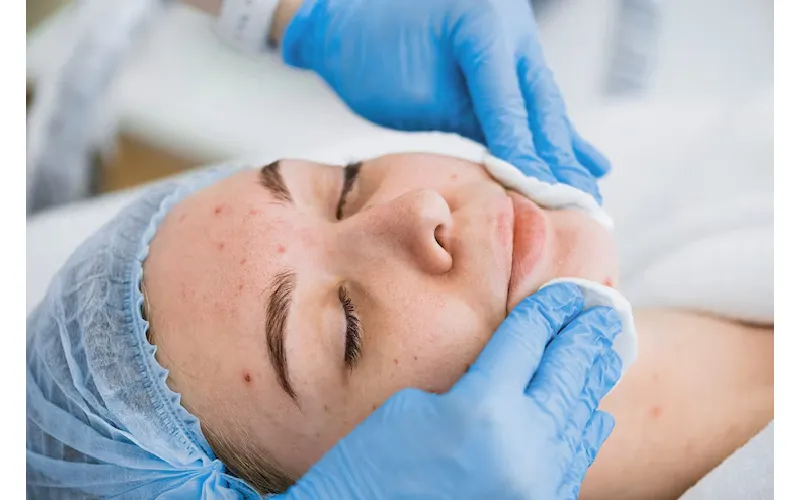
How to Care for Your Skin After Melasma Laser Treatment?
Caring for your skin after melasma laser treatment is crucial for effective recovery. Initially, expect some sensitivity and redness; applying a cool compress can soothe any swelling. Gentle cleansing with a non-irritating cleanser will help keep the skin calm. Hydration is key, so use a thin layer of petroleum jelly or a recommended moisturizer to promote healing while preventing infection. Don’t forget sun protection—avoid direct sunlight and apply broad-spectrum sunscreen regularly to shield your sensitive skin. Steer clear of makeup and harsh products for at least two weeks to let your skin breathe fully. With patience and the right care, enjoy healthy, radiant results!
1. Understanding Melasma Laser Treatment
Melasma laser treatment is a common skin condition that presents as brown or blue-gray patches, primarily on the face. It often affects women, especially during pregnancy or those taking hormonal medications. Laser treatment offers a targeted solution by focusing on the overactive pigment-producing cells in the skin, effectively helping to even out skin tone. Various laser types, such as Q-switched and fractional lasers, are used based on the severity of melasma, ensuring that each individual’s treatment plan is customized. Typically, a session lasts between 30 to 60 minutes, and depending on the condition’s severity, multiple sessions may be required, spaced a few weeks apart for optimal results. The procedure is generally minimally invasive, with most patients experiencing little to no discomfort. Post-treatment results unfold gradually, with noticeable improvements over several weeks as the skin heals. Consulting a dermatologist is essential to tailor the treatment to your unique skin type and concerns, as laser treatments are not one-size-fits-all. It’s also important to be aware of potential side effects like temporary redness or swelling, helping patients set realistic expectations for their recovery.

2. Initial Care After Your Treatment
After your laser treatment, it’s important to take special care of your skin, as it may be sensitive and vulnerable. First, avoid touching your face. This helps minimize the risk of infection, which is crucial during the initial healing phase. To keep your skin hydrated, use a gentle, hypoallergenic moisturizer. This will soothe the skin and prevent dryness.
For about a week, steer clear of hot showers and saunas, as these can irritate your skin and slow down the healing process. Follow the specific aftercare instructions given by your dermatologist, as they know your skin best. If you notice any unusual changes, such as increased redness or swelling, report these to your dermatologist promptly.
Physical activity should be limited for the first few days to reduce sweating and irritation, which can further stress your healing skin. Drink plenty of water to support hydration from within, helping your skin recover more effectively.
Create a calm environment to minimize stress, as this can impact healing. Wearing loose clothing around the treated area is also beneficial, as it avoids friction that could irritate your skin. Keeping track of your healing progress with photos can be helpful for discussions during follow-up visits.
3. Importance of Moisturization
Moisturization is essential after melasma laser treatment. It helps create a protective barrier on your skin, which is crucial for healing. Using fragrance-free and non-comedogenic products can prevent irritation and keep your skin calm. To maximize the benefits, apply moisturizer while your skin is still damp; this enhances absorption and allows the product to penetrate deeply. Look for moisturizers that contain ingredients like hyaluronic acid or glycerin, which provide an extra boost of hydration. Keeping your skin moisturized can also minimize peeling or flaking that often occurs post-treatment. Opt for lightweight formulas instead of heavy creams to avoid clogging your pores. Soothing ingredients such as aloe vera or chamomile can be particularly beneficial. Remember to apply moisturizer multiple times a day, especially after washing your face, to maintain hydration. It’s always a good idea to check with your dermatologist for specific product recommendations tailored to your skin’s needs. Establishing a consistent moisturization routine not only aids in recovery but promotes long-term skin health.
- Moisturizers help create a protective barrier on the skin’s surface, aiding the healing process.
- Look for products that are fragrance-free and non-comedogenic to avoid irritation.
- Applying moisturizer while the skin is still damp can enhance absorption.
- Consider using products that contain hyaluronic acid or glycerin for extra hydration.
- Moisturization can help reduce the appearance of peeling or flaking skin post-treatment.
- Avoid heavy creams that may clog pores; instead, opt for lightweight formulas.
- Use a moisturizer with soothing ingredients like aloe vera or chamomile.
- Apply moisturizer multiple times a day, especially after washing your face.
- Check with your dermatologist about any recommended products to use after treatment.
- Establishing a moisturization routine can promote long-term skin health.
4. Protecting Your Skin from the Sun
After melasma laser treatment, shielding your skin from the sun is essential. UV rays can aggravate pigmentation problems, making diligent sun protection vital. It’s a good idea to use a broad-spectrum sunscreen with at least SPF 30, applying it generously and reapplying every two hours, especially during outdoor activities. Wearing UV-blocking sunglasses can also help protect the sensitive skin around your eyes. Opt for clothing that offers built-in UV protection, and don’t forget to seek shade when possible, particularly during peak sun hours, which are typically from 10 AM to 4 PM. Be cautious of reflective surfaces like water or sand, as they can intensify sun exposure. It’s best to avoid tanning beds and sunlamps for several months after your treatment. Plan your outdoor activities for early morning or late afternoon to minimize exposure. Keeping an eye on the UV index can also guide your sun protection efforts. Lastly, make sure to choose sunscreens that are suitable for sensitive skin, as your skin may still be recovering.
5. Avoiding Makeup and Harsh Products
After your melasma laser treatment, it’s essential to give your skin ample time to heal. Avoid using makeup for at least 2-3 weeks. Applying makeup too soon can clog your pores and lead to unwanted breakouts, which is the last thing you want while your skin is recovering. If you feel the need to wear makeup, opt for mineral-based products as they are generally less irritating. Ensure to steer clear of makeup sponges or brushes, as they can harbor bacteria that may further irritate your sensitive skin. When you do reintroduce makeup, do so gradually, keeping a close eye on how your skin reacts. Listen to your skin’s needs; if it feels sensitive, give it more time to heal. Additionally, avoid any products containing alcohol, fragrances, or harsh chemicals during this healing phase. For removing makeup, use gentle cleansers that won’t aggravate your skin. If you’re unsure about which products to use, consulting your dermatologist for safe recommendations can be a great help.
6. Managing Peeling Skin
Peeling skin is a natural part of the healing process after your melasma laser treatment. It’s important to resist the urge to pick at the peeling skin, as this can lead to scarring and delay your recovery. Instead, focus on keeping your skin moisturized to alleviate any discomfort associated with the peeling. You might consider applying a soothing ointment or cream to help with irritation.
During this time, avoid sun exposure, as it can aggravate the peeling skin and lead to further irritation. Monitor the peeling process closely; if you notice any signs of infection, don’t hesitate to reach out to your dermatologist.
When cleansing your face, pat it dry gently with a soft towel. Avoid vigorous rubbing, as this can irritate the sensitive, peeling skin. Staying hydrated is also crucial; drinking plenty of water promotes overall skin health and aids in the healing process. Remember, everyone’s peeling experience is different, so be patient and give your skin the time it needs to heal.
7. Long-Term Care for Healthy Skin
Incorporating a daily skincare routine is essential for maintaining the health of your skin after melasma laser treatment. Start with gentle cleansing to remove impurities without irritating your skin. Follow this with a good moisturizer to keep your skin hydrated and supple. Sun protection is non-negotiable; apply a broad-spectrum sunscreen with at least SPF 30 every day, even on cloudy days.
Regular visits to your dermatologist for skin assessments will help you track your progress and address any concerns early. They can recommend specific treatments or products tailored to your skin type, ensuring you stay on the right path. Eating a balanced diet rich in antioxidants and vitamins, especially vitamin C, supports skin repair and overall health. Staying hydrated is equally important—make it a habit to drink plenty of water throughout the day.
Limit alcohol and tobacco consumption, as these can negatively impact your skin’s appearance and health. Gentle exercise can improve circulation, which benefits your skin by delivering more nutrients and oxygen. Remember to manage stress effectively; techniques like meditation or yoga can help, as stress can exacerbate skin conditions.
Being informed about new skincare products or treatments can also be beneficial. The skincare industry is always evolving, and finding products that suit your specific needs can make a noticeable difference. Finally, maintaining consistency in your skincare routine will help keep your skin looking its best over time.
8. Follow-Up Consultations at Organic Skin Studio
Scheduling follow-up visits after your melasma laser treatment is essential for monitoring your skin’s healing progress. These appointments provide an opportunity to discuss any changes you’ve noticed in your skin since the treatment. It’s a good idea to bring a list of questions or concerns so you can make the most of your time with your dermatologist. During these consultations, your doctor can evaluate how your skin is responding and adjust your skincare routine to meet its current needs. If necessary, additional treatments can be suggested to enhance your results.
Regular check-ins not only help identify potential issues early on but also allow for an open dialogue about your treatment satisfaction and skin’s response. Consider keeping a skincare journal to track any changes and effects over time, which can be a helpful reference for your dermatologist. These follow-ups are also an excellent chance to discuss your long-term skincare goals and explore new products or treatments that might benefit your skin.
Frequently Asked Questions
1. What should I do immediately after my melasma laser treatment?
After your treatment, it’s important to keep the area clean and avoid any harsh products. Gently wash your skin with a mild cleanser and apply a soothing moisturizer to help keep your skin hydrated.
2. How can I protect my skin from sun during the recovery?
Sun protection is key. Wear a broad-spectrum sunscreen with at least SPF 30 and reapply it every two hours. Wearing a wide-brimmed hat and seeking shade can also help protect your skin.
3. Is it normal for my skin to feel sensitive after the treatment?
Yes, it’s normal for your skin to be sensitive after laser treatment for melasma. You may experience redness or swelling. Use gentle skincare products and avoid exfoliants until your skin heals.
4. When can I resume my normal skincare routine after treatment?
You should wait a few days before returning to your normal skincare routine. Once your skin feels less sensitive and any redness subsides, you can gradually reintroduce your usual products.
5. Are there any specific ingredients I should avoid after laser treatment?
Yes, after treatment, it’s best to avoid products with retinoids, alpha hydroxy acids, and fragrances. Stick to gentle, hydrating ingredients to help your skin heal.
TL;DR Caring for your skin after melasma laser treatment is crucial for effective healing. Start with gentle cleansing and applying cool compresses for initial care. Keep your skin moisturized with petroleum jelly or gentle creams. Protect against sun exposure using SPF 30 or higher and avoid makeup and harsh products for a few weeks. Be patient with peeling skin and resist the urge to pick at it. Long-term, maintain healthy skin through consistent moisturizing, a balanced diet, and regular exercise. Follow up with your dermatologist at Organic Skin Studio for personalized advice and to ensure your skin heals well.

Roderick Smith is a writer, blogger, and business owner. He has been writing for over 5 years and his blog naouelmoha.net offers valuable information about the business, health, law, and the latest technology. Roderick lives in Nashville with his wife and three children.