How to Network Effectively at a Regenerative Medicine Conference?
Networking effectively at a regenerative medicine conference requires thoughtful preparation and active engagement. Before attending, set clear goals about what you hope to achieve—like finding collaborators or learning new research trends. Research attendees and speakers to identify key individuals you want to connect with. Prepare a succinct elevator pitch that highlights who you are and your interests in regenerative medicine. During the event, make use of business cards and official conference apps for networking opportunities. After making connections, follow up via email or LinkedIn, reference your conversation, and share resources that might interest them. Stay engaged even after the conference ends for lasting relationships.
1. Pre-Conference Preparation Tips
Before attending a regenerative medicine conference, take some time to set clear goals. Think about what you want to achieve—whether it’s finding collaborators, seeking funding, or simply learning about the latest research. Knowing your objectives can help you focus your efforts effectively.
Next, research the attendees. Check if there’s a list of speakers and participants available online. Identify key individuals whose work aligns with your interests. This will help you prioritize who to connect with during the event.
Don’t forget to prepare your elevator pitch. Craft a short, engaging introduction that summarizes who you are, what you do, and what you hope to gain from the conference. Tailor your pitch to include relevant regenerative medicine topics to make it resonate with your audience.

2. Essential Networking Tools to Use
Having the right tools can make a significant difference in how effectively you network at a regenerative medicine conference. Start with business cards—these simple tools are still invaluable. Ensure your cards are professionally designed and contain not just your name and contact information but also a brief mention of your specialty in regenerative medicine. This can spark conversations and make you memorable.
Next, take advantage of the conference app or platform. Many conferences provide apps that allow you to view schedules, connect with other attendees, and even set up meetings. Familiarize yourself with the app before the event; it can be a powerful way to streamline your networking.
Social media is another essential tool. Use platforms like Twitter or LinkedIn to engage with conference-related hashtags. For example, if the hashtag is #RegenerativeMedicine2023, post insights or questions to join discussions and connect with others attending the event. This not only expands your reach but also signals that you’re engaged and interested.
Lastly, consider creating a digital portfolio or a simple website that showcases your work. Sharing a link to your portfolio in conversations or on your business card can provide a deeper insight into your expertise and accomplishments, making it easier for others to remember you and your work.
3. Engaging During the Conference
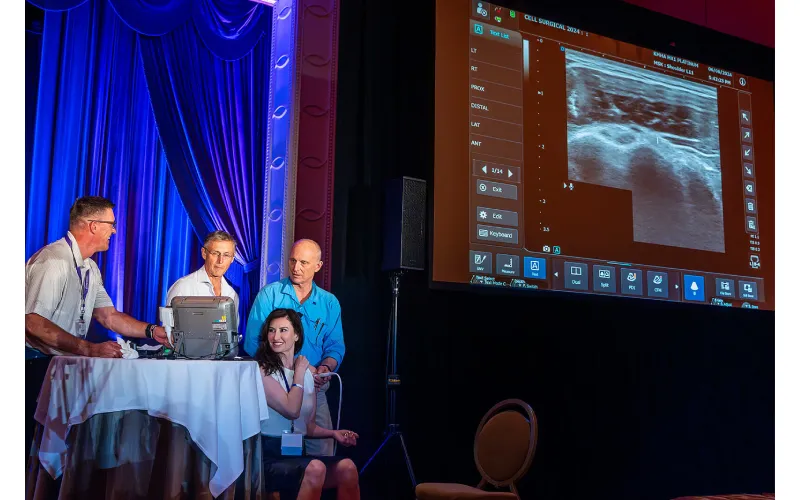
Attending a regenerative medicine conference offers numerous opportunities to engage with peers and leaders in the field. Start by participating in networking events, such as workshops and panel discussions, which are designed to foster connections. During breaks, approach fellow attendees and strike up conversations. Ask open-ended questions about their ongoing projects or research interests. This not only shows your genuine curiosity but also helps build rapport.
Utilizing social media can also enhance your engagement. Share insights or quotes from speakers on platforms like Twitter, using the conference hashtag to broaden your reach. Tagging relevant individuals can help catch their attention and lead to further discussions. For instance, if a speaker shares groundbreaking research on stem cells, tweet about it and add your thoughts or questions. This can initiate a dialogue that extends beyond the conference.
Remember, networking is about quality, not quantity. Focus on forming meaningful connections rather than collecting business cards. Take time to listen and understand others’ work, as this can lead to potential collaborations or shared interests.
4. Strategies for Building Relationships
Building lasting relationships at a regenerative medicine conference requires intentional effort. Start by following up after your initial meeting. A simple email or a LinkedIn request referencing your conversation can reinforce the connection you made. This shows that you value the interaction and are interested in maintaining the link.
Sharing resources can also strengthen your relationship. If you discussed specific topics, consider sending relevant articles or insights that might pique their interest. This demonstrates that you are not only a good listener but also willing to contribute value to their work.
Planning future interactions is crucial. Suggesting a coffee chat or a follow-up meeting after the conference is an excellent way to continue the conversation. This allows both parties to explore potential collaborations or delve deeper into shared interests.
Lastly, don’t hesitate to be proactive in nurturing these relationships. Regularly check in with your contacts, share updates, or even invite them to future events. Building relationships is an ongoing process, and staying engaged will help you cultivate a network that can support your endeavors in regenerative medicine.
- Attend networking events and mixers to meet new contacts.
- Follow up with personalized messages after the conference.
- Exchange contact information in a professional manner.
- Engage in meaningful conversations to establish connections.
- Offer assistance or value to others you meet.
- Stay open to connecting with individuals in different fields.
- Schedule coffee or lunch meetings post-conference to deepen relationships.
5. Actions to Take After the Conference
After the conference wraps up, it’s essential to take actionable steps to solidify the connections you’ve made. Start by reflecting on the contacts you interacted with. List them out and think about which relationships you feel are most valuable. This could be based on potential collaborations, shared interests, or opportunities for mentorship.
Once you’ve prioritized your connections, it’s time to stay engaged. A simple follow-up message can go a long way. Send a personalized email or connect on LinkedIn, referencing something specific from your conversation to jog their memory. This shows that you value their time and insights.
Additionally, consider sharing relevant resources or articles that might interest them based on your discussions. This not only reinforces your connection but also positions you as a knowledgeable resource in your field.
Planning future interactions is equally important. Suggest a coffee chat or a virtual meeting to discuss ideas further. This proactive approach demonstrates your commitment to building lasting professional relationships.
Finally, keep the lines of communication open. Regularly update your network about your work or share insights that could benefit them. By staying engaged and showing genuine interest in their endeavors, you can cultivate a network that grows stronger over time.
6. Cultural Considerations for Networking
When networking at a regenerative medicine conference, understanding cultural differences is crucial. Different cultures have varying norms regarding communication styles and personal space. For instance, while some cultures may value direct eye contact and enthusiastic conversation, others might prefer a more reserved approach. Familiarizing yourself with these norms can help you navigate interactions more smoothly.
Additionally, it’s important to respect personal boundaries. Some individuals may not be comfortable with prolonged conversations or may prefer to keep discussions brief. Pay attention to their body language and cues. If someone seems distracted or disengaged, it’s best to gracefully end the conversation and move on.
Consider incorporating culturally relevant gestures or greetings when meeting new contacts. A simple acknowledgment of their background can foster goodwill and show that you value their culture. For example, if you’re meeting someone from Japan, a slight bow instead of a handshake might be appreciated.
Being mindful of these cultural nuances can enhance your networking experience and help build stronger connections at the conference.
7. Leveraging Technology for Networking
In today’s digital world, technology can significantly enhance your networking efforts at a regenerative medicine conference. If the event includes a virtual component, take advantage of breakout rooms and online discussion forums. This allows you to engage with a broader audience, including those who may not be present in person. For instance, participating in a virtual Q&A session can give you the opportunity to connect with speakers and attendees who share your interests.
After making initial connections, use digital platforms like LinkedIn to follow up. Send personalized messages that reference your conversation, helping to remind them of your interaction and solidify that connection. This approach not only keeps the conversation alive but also shows that you value the relationship.
Additionally, consider using the official conference app, if available. These apps often feature attendee directories, scheduling tools, and messaging options that can help you arrange meetups. Engaging with conference hashtags on social media platforms can also be useful. By sharing insights or engaging in discussions, you can further expand your network and attract the attention of like-minded professionals.
8. Seeking Feedback and Adapting
After the conference, it’s essential to take a step back and evaluate your networking efforts. Start by seeking feedback on your approach from colleagues or mentors. They can provide insights into how you presented yourself or interacted with others. For example, did you come across as approachable? Were your conversation starters engaging? Understanding these elements can help you refine your style for future events.
Additionally, assess whether you met your networking goals. Did you connect with potential collaborators or secure funding leads? If not, identify the challenges you faced. Maybe you struggled with initiating conversations or didn’t attend enough networking sessions. By pinpointing these areas, you can create a plan for improvement. For instance, if starting conversations felt awkward, practice your elevator pitch more or brainstorm open-ended questions to ask.
Adapting your strategy based on this feedback and reflection will enhance your effectiveness in future conferences. Each event is an opportunity to learn and grow, so embrace the process.
Frequently Asked Questions
1. What should I prepare before attending a regenerative medicine conference?
Before the conference, gather business cards, plan your schedule, and research key speakers and topics. It’s helpful to know who you want to connect with and what you hope to learn.
2. How can I start conversations with strangers at the conference?
You can start conversations by introducing yourself and mentioning your interest in regenerative medicine. Asking open-ended questions about what they are doing or their experiences can also kick off a good discussion.
3. What are some good topics to talk about with other attendees?
Some great topics include recent advancements in regenerative medicine, challenges in the field, and shared interests or experiences within the industry. People usually like discussing their research and future trends.
4. How can I follow up with people I meet after the conference?
After the conference, send a personalized email or connect on LinkedIn. Mention something specific from your conversation to remind them who you are and express your interest in staying in touch.
5. What are the benefits of networking at a regenerative medicine conference?
Networking can lead to new collaborations, job opportunities, and partnerships. It also helps you stay updated on industry trends and gives you a chance to learn from other professionals in the field.
TL;DR Maximize your networking at a regenerative medicine conference by setting clear goals, researching attendees, and preparing an elevator pitch. Use tools like business cards and social media to connect before and during the event. During the conference, engage in conversations, attend networking events, and share insights online. Afterward, follow up with new contacts, share resources, and propose future interactions. Be mindful of cultural differences and use technology for virtual networking. Finally, seek feedback on your approach to refine your skills for future events.
Resource Url:
https://en.wikipedia.org/wiki/Regenerative_medicine
https://www.cellsurgicalconference.com/

Roderick Smith is a writer, blogger, and business owner. He has been writing for over 5 years and his blog naouelmoha.net offers valuable information about the business, health, law, and the latest technology. Roderick lives in Nashville with his wife and three children.